
Jacob of Serbia
February 3·13th century·Serbia
Saint Jakov served as the Serbian Archbishop from 1286 to 1292. He is remembered for his renovation and founding of churches, his special care for Serbian ascetics, and his devotion to the Studenica monastery. His saintly purity, Christian love, gentleness, humility, and charity are highlighted in his veneration.
Key Facts
- ›Jakov served as the Serbian Archbishop from 1286 to 1292.
- ›He is known to have renovated and founded churches.
- ›He likely transferred the episcopal see from ŽIča to the Peć metochion.
- ›Jakov had a particular fondness for the Studenica monastery, providing it with liturgical books and church accessories.
- ›He was known for his special care for Serbian ascetics.
- ›He is venerated for his saintly purity, Christian love, gentleness, humility, and charity.
About Jacob of Serbia
Saint Jakov of Serbia
Saint Jakov served as the Serbian Archbishop from 1286 to 1292. Information regarding his life is relatively scarce, but historical accounts highlight his significant contributions to the Serbian Orthodox Church and his personal virtues.
Life and Ministry
During his tenure as Archbishop, Jakov was instrumental in renovating and founding churches, signifying his dedication to the physical infrastructure of the faith. A notable administrative action attributed to him is the likely transfer of the episcopal see from Žiča to the Peć metochion. He demonstrated a particular affection for the Studenica monastery, to which he generously provided liturgical books and other church accessories. Furthermore, Jakov showed special care for Serbian ascetics, indicating a focus on spiritual development and support for those living a life of religious devotion.
Character and Veneration
Jakov is remembered and venerated for his saintly purity, Christian love, gentleness, humility, and charity. These qualities are central to his legacy and the reasons for his recognition as a saint within the Serbian Orthodox Church. His feast day is observed on February 3 in the Church calendar, which corresponds to February 16 on the Gregorian calendar.
Source: Wikipedia ↗
Frequently Asked Questions
When did Jakov serve as Serbian Archbishop?
Jakov served as the Serbian Archbishop from 1286 to 1292. This period places his significant activities within the 13th century.
What were some of Jakov's notable actions as Archbishop?
Jakov is known for renovating and founding churches. He is also credited with likely transferring the episcopal see from Žiča to the Peć metochion, a significant administrative move.
Did Jakov have a particular devotion to any monastery?
Yes, Jakov had a special love for the Studenica monastery. He provided it with liturgical books and church accessories, demonstrating his commitment to its spiritual and material well-being.
What personal qualities are attributed to Saint Jakov?
He is remembered for his saintly purity, Christian love, gentleness, humility, and charity. These virtues contributed to his veneration as a saint.
When is Saint Jakov's feast day?
Saint Jakov is venerated on February 3 in the Church calendar of the Serbian Orthodox Church. This corresponds to February 16 on the Gregorian calendar.
Related Saints
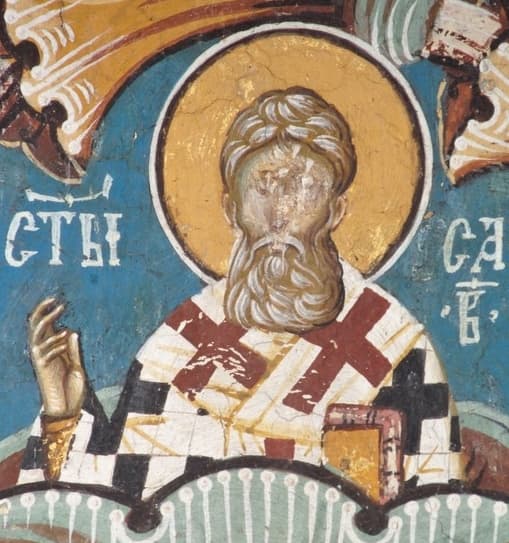
Sava II of Serbia
Sava II of Serbia was the third Serbian Archbishop, serving from 1263 until his death in 1271. He was a member of the prominent Nemanjić dynasty, being the middle son of King Stefan the First-Crowned. Sava II is remembered for his role as a spiritual leader within the Serbian Orthodox Church during a significant period of its history.
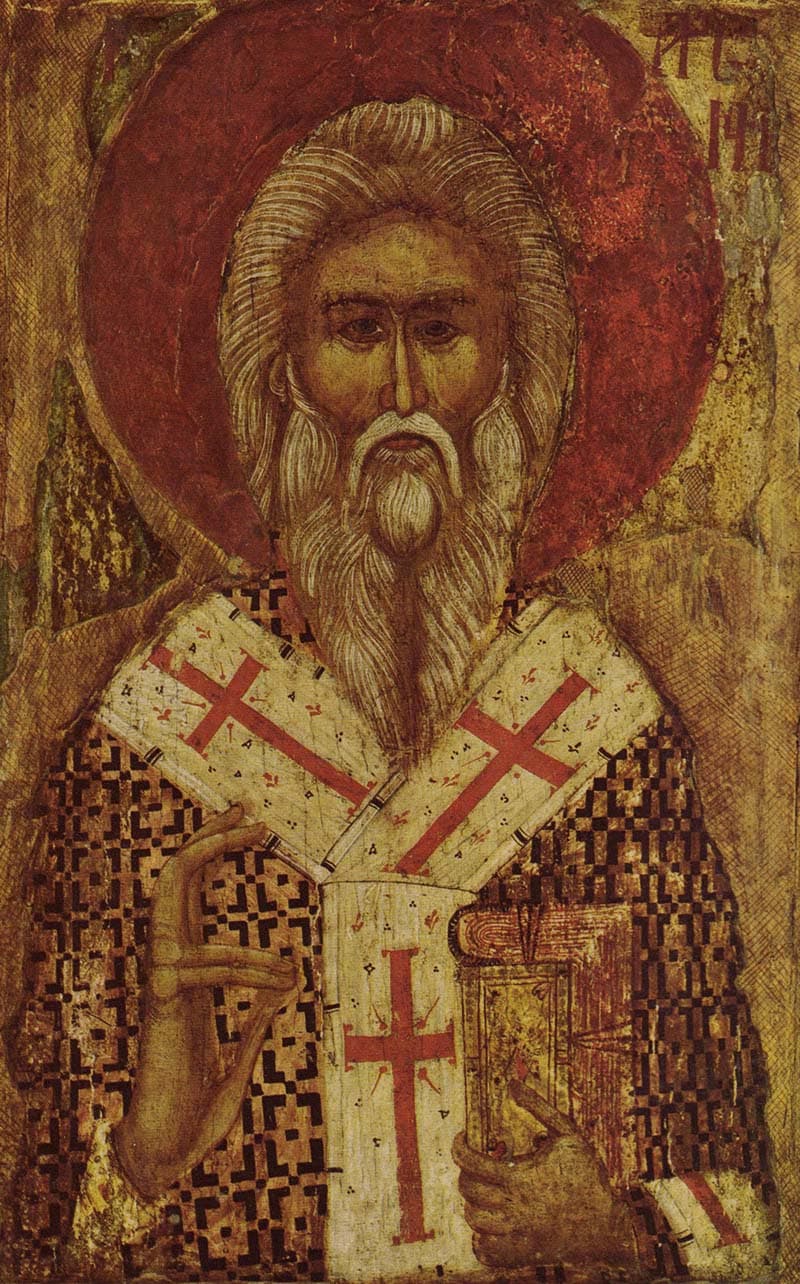
Arsenius I the Syrmian
Arsenius the Syrmian was the second Serbian Archbishop, serving from 1233 to 1263. He was a devoted disciple of Saint Sava of Serbia and played a significant role in the development of the Serbian Orthodox Church. Arsenius is remembered for establishing a new episcopal see at Peć and contributing to the construction of several important monasteries.
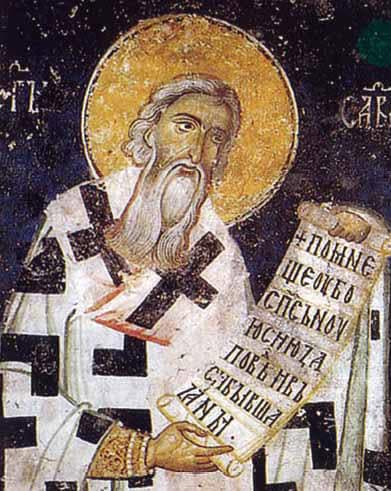
Sava of Serbia
Saint Sava was a Serbian prince and Eastern Orthodox monk, the first Archbishop of the autocephalous Serbian Church, and a key figure in Serbian history, literature, and law. He is revered for his role in establishing the Serbian Orthodox Church's independence and for his extensive writings that shaped Serbian medieval literature and legal codes. Sava is widely considered the most important figure in Serbian history and is venerated as the patron saint of Serbia.