
Isaiah of Rostov
Isaiah of Rostov was a Russian Christian missionary and bishop who served in the late 11th century. He is remembered for his efforts to spread Christianity in the Rostov region, a task that involved converting pagans and dismantling idolatry. His feast day is celebrated on May 15 in the Russian Orthodox Church.
Key Facts
- ›Isaiah was born near Kiev and tonsured at Kiev Pechersk Lavra.
- ›He became the second bishop of Rostov in 1077.
- ›His ministry focused on converting pagans and destroying idolatry in the Rostov region.
- ›He consecrated St. Michael's church in Vydubitsy in 1088.
- ›Isaiah and metropolitan John jointly consecrated the Church of Theotokos in Pechersk Lavra in 1089.
- ›The year and circumstances of his death remain unknown.
About Isaiah of Rostov
Isaiah of Rostov was a significant figure in the spread of Christianity in Kievan Rus', serving as a missionary and bishop in the late 11th century. Born near Kiev, he received his monastic tonsure at the renowned Kiev Pechersk Lavra and later became the abbot of Saint Dmitry's Monastery.
Ministry and Episcopate
In 1077, Isaiah was appointed as the second bishop of Rostov, succeeding Leonty of Rostov. At this time, the Rostov region was largely inhabited by pagans, and Christianity had not yet fully taken root. Isaiah dedicated his episcopate to the conversion of these peoples, actively working to destroy idolatry and promote the Christian faith. His efforts were crucial in establishing a Christian presence in this frontier territory.
Historical Records and Legacy
The earliest historical mention of Isaiah appears in the "Life of Theodosius of Kiev." According to this account, Prince Iziaslav I of Kiev selected Isaiah for the Demetrios Monastery in 1062 and later secured his appointment as Bishop of Rostov. The Primary Chronicle also records Isaiah's presence in Kiev, noting his consecration of St. Michael's church in Vydubitsy in 1088 and his joint consecration of the Church of Theotokos in Pechersk Lavra with metropolitan John in 1089. The "Life of Isaiah of Rostov" draws heavily from these chronicles, though it also includes legendary embellishments, such as tales of magical flight. The exact year and circumstances of Isaiah's death remain unrecorded in historical sources, though he is known to have died by 1089 or 1090. The veneration of Isaiah continued, with his relics being discovered and re-interred in a new cathedral in Rostov in the 15th century.
Source: Wikipedia ↗
Frequently Asked Questions
When did Isaiah of Rostov live?
Isaiah of Rostov was active around the years 1062 to 1089. He died sometime between 1089 and 1090.
What was Isaiah of Rostov's main role?
Isaiah of Rostov was a Russian Christian missionary and bishop. His primary focus was spreading Christianity in the Rostov region.
What challenges did Isaiah face as bishop of Rostov?
When Isaiah became bishop, Christianity was not yet well established in the Rostov area. He dedicated his tenure to converting pagans and dismantling existing idolatry.
When is Isaiah of Rostov's feast day?
Isaiah of Rostov's feast day is celebrated on May 15 in the Russian Orthodox Church.
Where were Isaiah of Rostov's relics found?
The relics of Isaiah of Rostov were discovered in 1162 or 1164. They were later re-interred in a new cathedral in Rostov in 1474.
Related Saints
Nikon the Dry
Nikon the Dry was an 11th-century monk at the Kiev Pechersk Lavra in Kievan Rus' who endured brutal captivity by the Polovtsians for over three years. He is remembered for his intense fasting practices, which earned him the epithet "the Dry," and for his miraculous escape from enslavement. He was later canonized as a saint in the Eastern Orthodox and Eastern Catholic Churches.
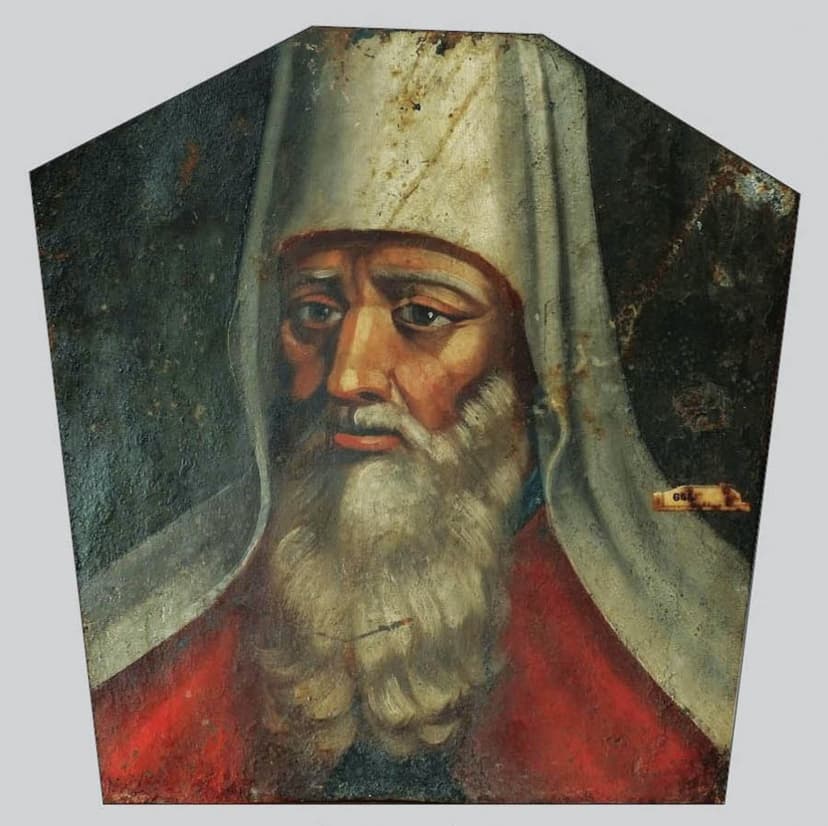
John of Tobolsk
John of Tobolsk was a Ukrainian Cossack-born clergyman who served as the Russian Orthodox archbishop of Chernigov and later metropolitan of Tobolsk and all Siberia. He is remembered for his theological writings, particularly "Iliotropion," and for his missionary and educational work in Siberia. Officially canonized by the Russian Orthodox Church in 1916, he is venerated for his spiritual leadership and the miracles attributed to him.
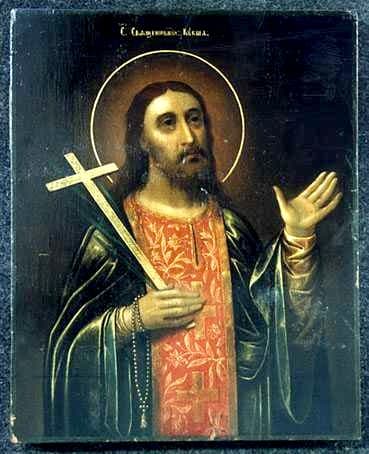
Kuksha of the Kiev Caves
Kuksha of the Kiev Caves was a monk and missionary from the Kiev Pechersk Lavra who is venerated as a saint in the Russian Orthodox Church. He is remembered for his efforts to spread Christianity among the Vyatichi people and for his martyrdom, for which he is honored as a confessor and martyr.