
Eustathius I of Serbia
January 4·13th century·Serbia
Eustathius I of Serbia was the sixth Serbian Archbishop, serving from 1279 to 1286. He is remembered for his significant role in the Serbian Orthodox Church, having held various monastic and episcopal positions before becoming Archbishop. His relics were transferred to the Monastery of Peć, and he is commemorated by the Serbian Orthodox Church.
Key Facts
- ›Eustathius I served as the Serbian Archbishop from 1279 to 1286.
- ›He was born in the Budimlje parish near Berane in Zeta.
- ›He was the hegumen (abbot) of the Hilandar monastery.
- ›Eustathius I was later the Bishop of Zeta before becoming Archbishop.
- ›His relics were buried in the Monastery of Peć after being moved from ŽIča.
- ›He is commemorated on January 4th (Julian calendar) or January 17th (Gregorian calendar).
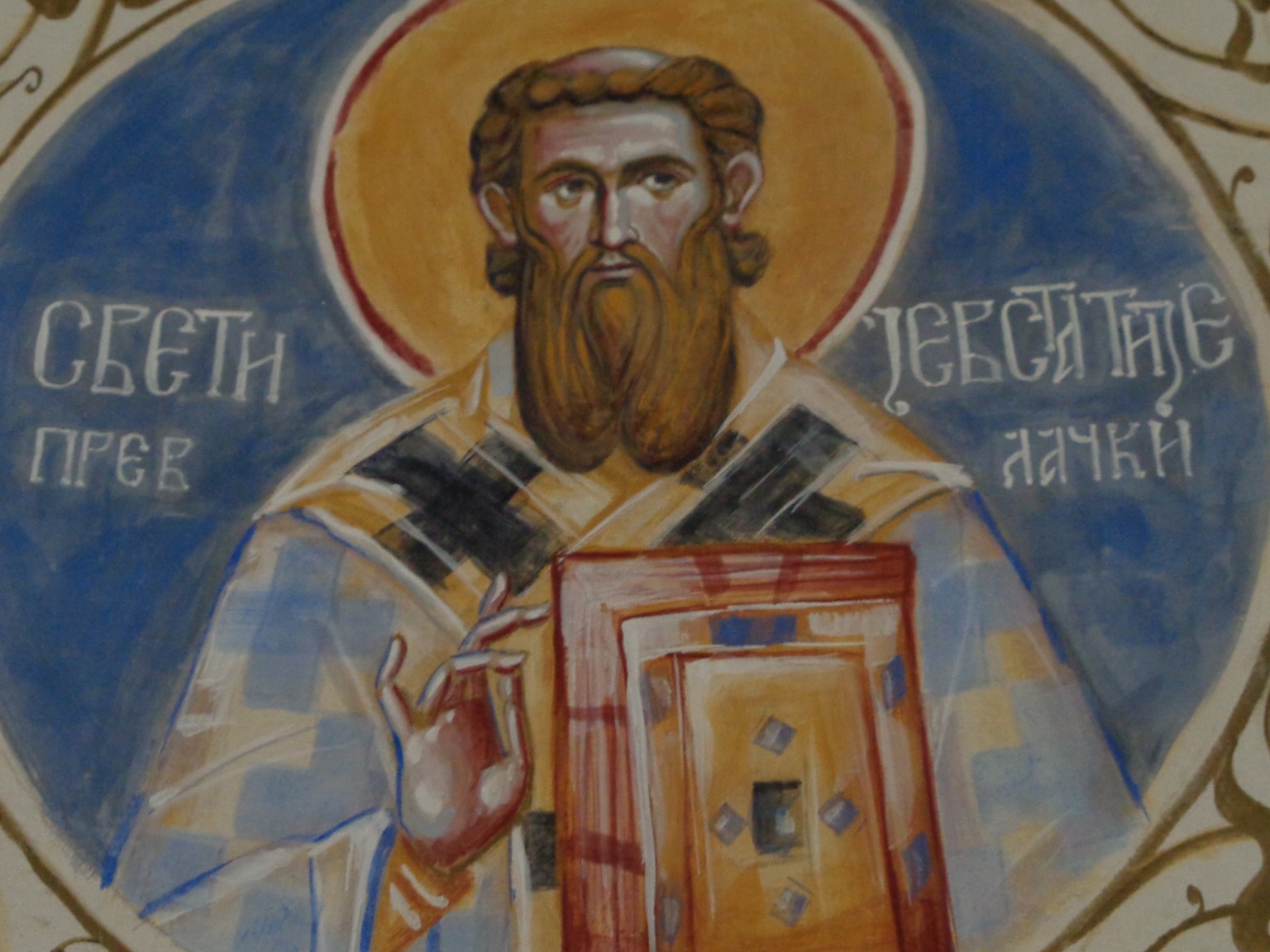
Jevstatije I
About Eustathius I of Serbia
Eustathius I, known in Serbian as Jevstatije I, served as the sixth Serbian Archbishop from 1279 to 1286. His life was dedicated to the Serbian Orthodox Church, progressing through various monastic and episcopal roles before reaching the highest ecclesiastical office. He is remembered for his asceticism, his leadership in important monasteries, and his efforts to preserve Orthodoxy.
Life and Ministry
Born in the Budimlje parish near Berane in Zeta, Eustathius I embraced monastic life early on. He took his vows in Zeta and later journeyed to the renowned Hilandar monastery. At Hilandar, he deepened his spiritual practice and eventually served as its hegumen (abbot) for a period. Following his tenure at Hilandar, he was appointed Bishop of Zeta, a significant diocese in the western Serbian lands. In 1279, he succeeded Joanikije I to become the Archbishop of the Serbian Orthodox Church.
During his time as Archbishop, Eustathius I was recognized as a spiritual authority. He had gained extensive experience in both solitary asceticism and communal monastic living. His travels took him to many sacred sites, and he presided over key Serbian monasteries, including the monastery of "Saint Archangel Michael" at Prevlaka. He dedicated considerable effort to the upkeep and preservation of the church of the "Ascension of Our Lord" in Žiča, which became his final resting place.
Legacy
Eustathius I died in 1286, and his relics were later transferred to the Monastery of Peć in 1289-1290, after their original burial place at Žiča monastery was ruined. The Serbian Orthodox Church continues to commemorate him on January 4th (Julian calendar) or January 17th (Gregorian calendar). His veneration was significantly shaped by Archbishop Danilo II of Peć, who composed both biography and liturgical services for him. Danilo's hagiographic works were instrumental in forming the cult of Eustathius I, presenting him as a worthy successor to Saint Sava and a key figure among the "Serbian Saints Council."
Source: Wikipedia ↗
Frequently Asked Questions
When did Eustathius I serve as Serbian Archbishop?
Eustathius I held the office of Serbian Archbishop from 1279 to 1286. He succeeded Joanikije I in this role.
Where was Eustathius I born?
Eustathius I was born in the Budimlje parish, which was located near Berane in Zeta. This region is part of modern-day Serbia.
What was Eustathius I's connection to Hilandar monastery?
Before becoming Bishop of Zeta and later Serbian Archbishop, Eustathius I took monastic vows and went to the Hilandar monastery. There, he studied, meditated, and eventually became the hegumen (abbot).
Where are the relics of Eustathius I located?
The relics of Eustathius I were transferred from the ruined Žiča monastery and buried in the Monastery of Peć in 1289-1290. The Monastery of Peć is a significant historical and spiritual center.
When is Eustathius I commemorated?
The Serbian Orthodox Church commemorates Eustathius I on January 4th according to the Julian calendar. This corresponds to January 17th according to the Gregorian calendar.
Related Saints
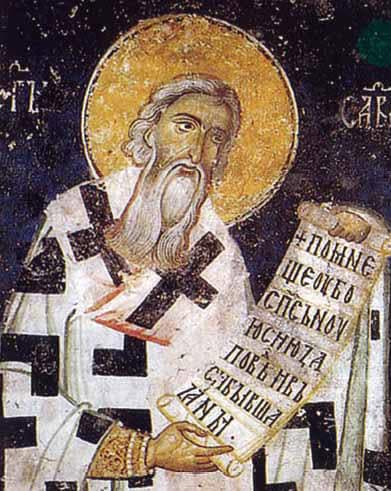
Sava of Serbia
Saint Sava was a Serbian prince and Eastern Orthodox monk, the first Archbishop of the autocephalous Serbian Church, and a key figure in Serbian history, literature, and law. He is revered for his role in establishing the Serbian Orthodox Church's independence and for his extensive writings that shaped Serbian medieval literature and legal codes. Sava is widely considered the most important figure in Serbian history and is venerated as the patron saint of Serbia.
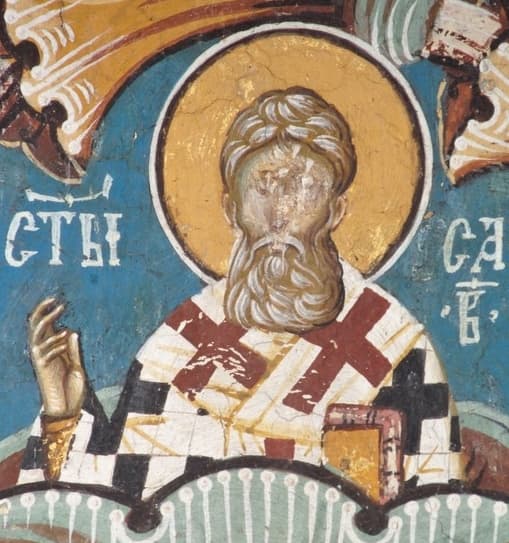
Sava II of Serbia
Sava II of Serbia was the third Serbian Archbishop, serving from 1263 until his death in 1271. He was a member of the prominent Nemanjić dynasty, being the middle son of King Stefan the First-Crowned. Sava II is remembered for his role as a spiritual leader within the Serbian Orthodox Church during a significant period of its history.
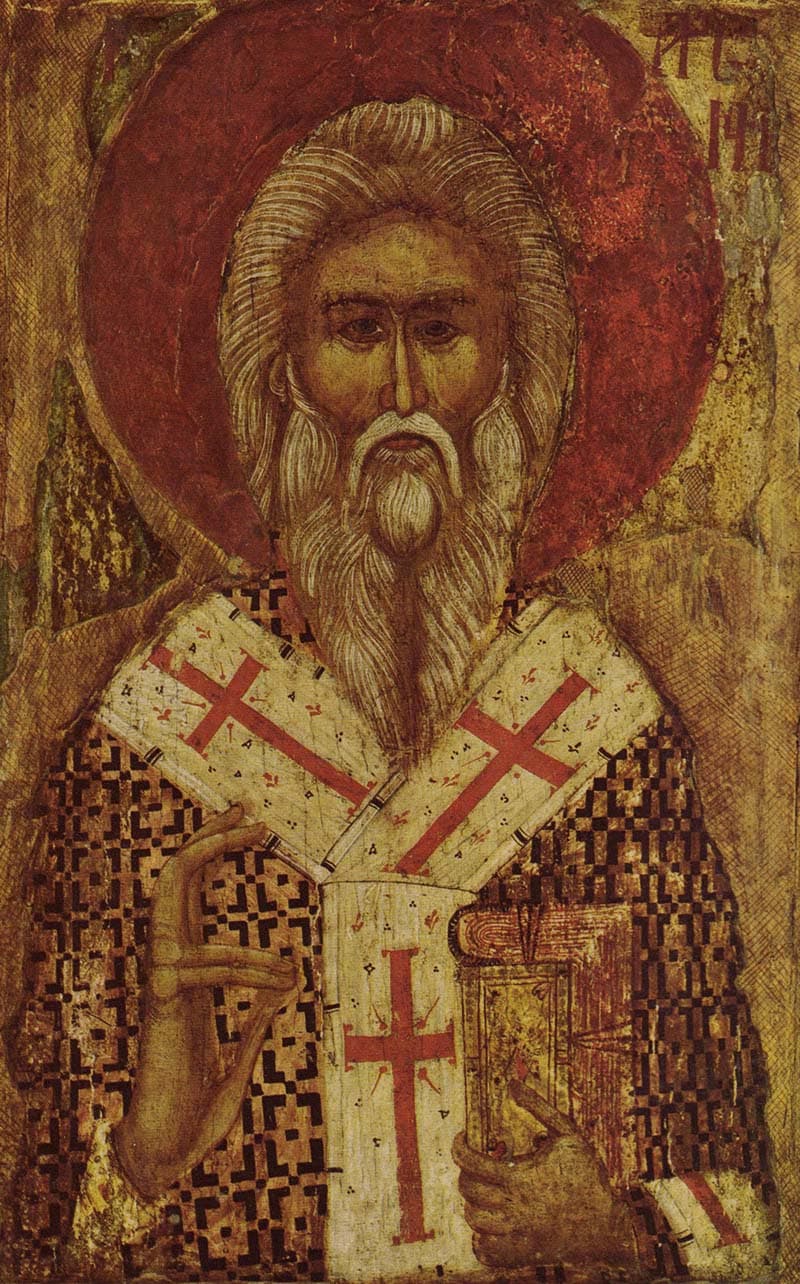
Arsenius I the Syrmian
Arsenius the Syrmian was the second Serbian Archbishop, serving from 1233 to 1263. He was a devoted disciple of Saint Sava of Serbia and played a significant role in the development of the Serbian Orthodox Church. Arsenius is remembered for establishing a new episcopal see at Peć and contributing to the construction of several important monasteries.