
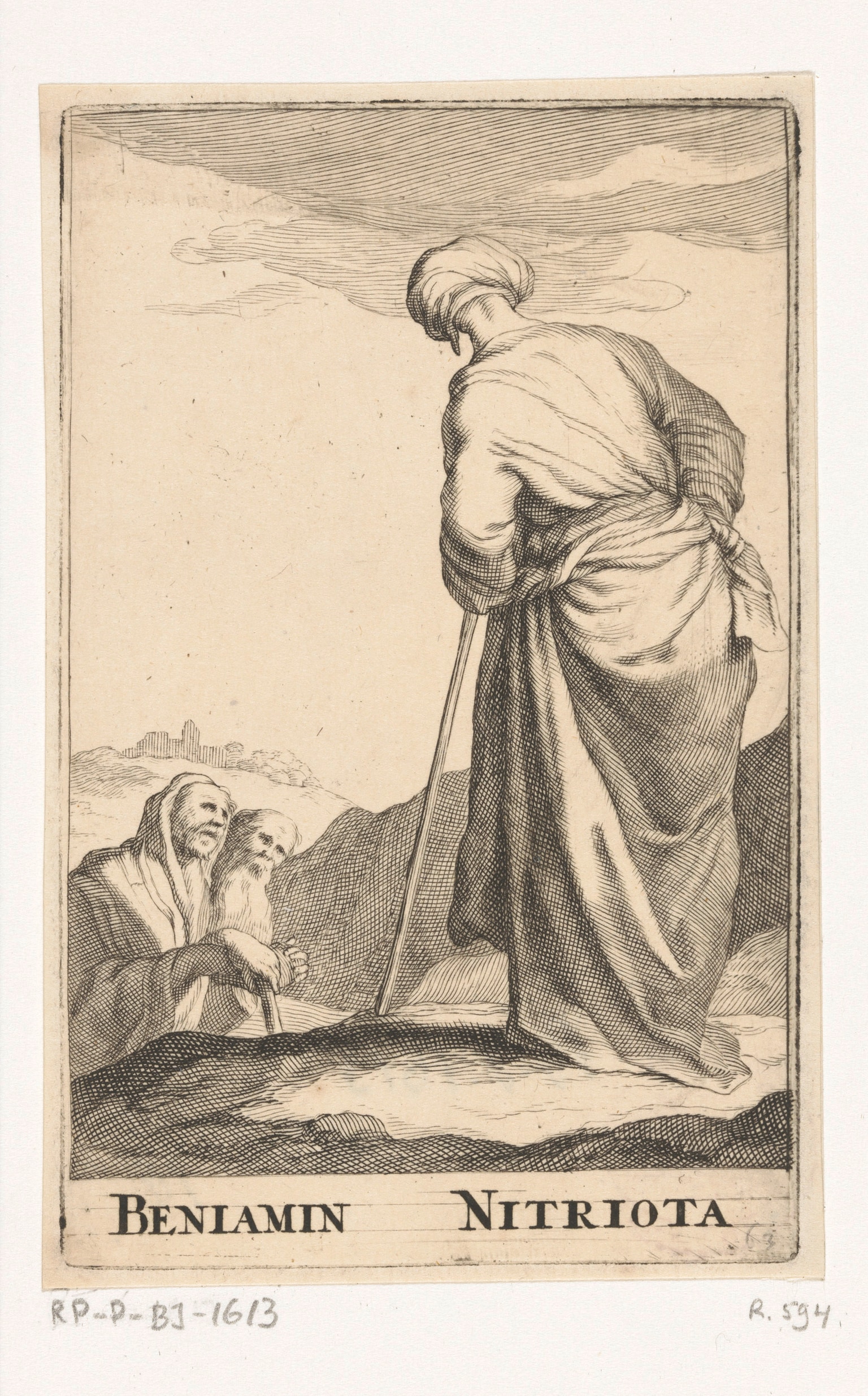
Benjamin of Nitria
January 29·Egypt
Benjamin of Nitria refers to two Orthodox saints, both known for their ascetic lives and healing gifts. The first, a monk who died in 392, lived ascetically on Mount Nitria and is remembered for healing the sick through touch or by giving them oil, even while suffering from dropsy himself. The second, a 5th-century hermit martyred in 424, is considered one of the earliest Orthodox hermits in Egypt and is also credited with miraculous healing powers.
Key Facts
- ›There are two Orthodox saints known as Benjamin of Nitria.
- ›The first Benjamin of Nitria died in 392 and was known for his asceticism and gift of healing.
- ›He healed the sick by laying hands on them or by giving them oil.
- ›The second Benjamin of Nitria was a 5th-century hermit martyred in 424 AD.
- ›He is considered one of the first Orthodox hermits in Egyptian lands.
- ›Both saints are associated with the gift of healing.
Healers
Oil, Healing Hands
About Benjamin of Nitria
Benjamin of Nitria refers to two distinct figures venerated as saints within the Orthodox tradition, both renowned for their ascetic lifestyles and miraculous healing abilities.
The First Benjamin of Nitria (Died 392)
The first Benjamin of Nitria was a monk who lived an ascetical life on Mount Nitria. He is recorded as possessing the gift of healing, ministering to the sick through the laying on of hands or by providing them with oil. Bishop Palladius of Helenopolis likened him to the biblical Job due to his enduring physical suffering, noting that eight months before his death, Benjamin was afflicted with dropsy (possibly elephantiasis). Despite his swollen body, which prevented him from lying down and necessitated him sitting on a bench, he continued to heal others. His primary request during his illness was for prayer to strengthen his inner spirit. Upon his death, his body had become so swollen that the doorframe of his cell had to be removed to carry him out. Palladius reported that Benjamin lived to be approximately 80 years old. His feast day is observed on January 29.
The Second Benjamin of Nitria (Died 424)
The second Benjamin of Nitria was an ascetic hermit active in the 5th century. He met his end in 424 AD as a martyr, under the orders of the Persian King Varanes V. He is recognized as one of the pioneering Orthodox hermits in the Egyptian landscape. Similar to the first Benjamin, he is also considered a "Physician" who was granted the power of healing, with legends stating that anyone he touched would be instantly healed.
Source: Wikipedia ↗
Frequently Asked Questions
Who were the two saints named Benjamin of Nitria?
There are two Orthodox saints known as Benjamin of Nitria. The first was a reverend monk who died in 392, and the second was a 5th-century ascetic hermit martyred in 424 AD.
What were the primary characteristics of the first Benjamin of Nitria?
The first Benjamin of Nitria lived an ascetic life on Mount Nitria and was gifted with the ability to heal the sick. He healed by laying his hands on them or by giving them oil, continuing his ministry even while suffering from dropsy.
What is known about the second Benjamin of Nitria?
The second Benjamin of Nitria was a 5th-century hermit martyred in 424 AD under the Persian King Varanes V. He is recognized as one of the first Orthodox hermits in Egypt and is also associated with a gift of healing.
What kind of healing gifts were attributed to Benjamin of Nitria?
Both saints Benjamin of Nitria were believed to possess the gift of healing. The first would heal by laying hands on the sick or giving them oil, while legend states that anyone touched by the second saint would be healed immediately.
When is the feast day for Benjamin of Nitria?
The feast day for the first Benjamin of Nitria is recorded as January 29.
Related Saints
Theodora of Alexandria
Theodora of Alexandria was a 5th-century saint and martyr whose life story, according to some hagiographers, may have been embellished or pieced together from other saints. She is remembered for her devotion to her husband, her repentance for adultery, and her subsequent life disguised as a male monk to perform penance and live an ascetic life.
Apollinaria of Egypt
Apollinaria of Egypt was a 5th-century saint and hermit, venerated in the Eastern Orthodox and Roman Catholic Churches. Her legend, likely apocryphal and similar to other Desert Mothers, details her disguise as a male monk to live an ascetic life in the Egyptian desert. She is remembered for her devotion and her ruse to escape worldly marriage and live in religious seclusion.
Apollinaris Syncletica
Apollinaris Syncletica was a 5th-century saint and hermit venerated in the Eastern Orthodox and Roman Catholic Churches. Her story, likely apocryphal, centers on the familiar theme of a woman disguising herself as a man to live an ascetic life in the desert. She is chiefly remembered for her spiritual devotion and the legend of her successful deception and eventual revelation.