
Apollinaria of Egypt
January 4·5th century·Egypt
Apollinaria of Egypt was a 5th-century saint and hermit, venerated in the Eastern Orthodox and Roman Catholic Churches. Her legend, likely apocryphal and similar to other Desert Mothers, details her disguise as a male monk to live an ascetic life in the Egyptian desert. She is remembered for her devotion and her ruse to escape worldly marriage and live in religious seclusion.
Key Facts
- ›Apollinaria of Egypt was a saint and hermit of the 5th century.
- ›Her story is considered apocryphal, drawing on themes of female ascetics disguising themselves as men.
- ›She assumed the name Dorotheus and joined a monastery in Wadi El Natrun, disguised as a male monk.
- ›Her gender was not discovered by her fellow hermits until her death.
- ›The Roman Catholic Church celebrates her feast day on January 4th, and the Eastern Orthodox Church on January 5th.
- ›Her name was removed from the Roman calendar of saints in 2001.
Apollinaris Syncletica
About Apollinaria of Egypt
Apollinaria of Egypt, also known as Apollinaris Syncletica, is a figure venerated as a saint and hermit, with her legend typically placed in the 5th century. Her story, prominent in Eastern Orthodox and Roman Catholic traditions, is widely regarded as apocryphal, drawing parallels with the hagiographies of other Desert Mothers like Syncletica of Alexandria and Theodora of Alexandria.
Life and Legend
The narrative surrounding Apollinaria centers on her desire to escape a predetermined marriage and embrace a life of religious asceticism. According to the legend, she persuaded her parents to allow her to remain unmarried and sought to withdraw from the world. Her parents permitted her to make a pilgrimage to Jerusalem, where she is said to have dismissed her retinue, assumed a monastic habit, and fled into the Egyptian desert. There, she disguised herself as a young man named Dorotheus and joined a monastery in Wadi El Natrun, under the guidance of Macarius of Alexandria.
A significant part of her legend involves her being instrumental in the healing of her sister, who was afflicted by a demon. This event led to her identity as Apollinaria being revealed to her parents, who had believed Dorotheus had seduced their daughter. After a brief reunion, she returned to the desert to spend the remainder of her life in seclusion.
Legacy and Veneration
Apollinaria's gender was reportedly only discovered by her fellow hermits upon her death, which is traditionally dated to either 420 or 470 CE. Her story exemplifies the common hagiographical theme of female saints adopting male disguise to achieve spiritual goals or avoid societal constraints. The Roman Catholic Church observes her feast day on January 4th, while the Eastern Orthodox Church commemorates her on January 5th. However, her name was removed from the Roman calendar of saints in 2001, reflecting a critical approach to the historical basis of her legend.
Source: Wikipedia ↗
Frequently Asked Questions
What is Apollinaria of Egypt known for?
Apollinaria of Egypt is known for a hagiographical legend where she disguised herself as a man to live as a hermit and ascetic in the Egyptian desert. This story emphasizes her desire to escape worldly life and pursue religious devotion.
Is the story of Apollinaria of Egypt historically accurate?
The story of Apollinaria of Egypt is widely considered apocryphal and is likely a pious fiction. It shares themes with legends of other female ascetics, such as Syncletica of Alexandria and Theodora of Alexandria, who also adopted male attire to live in religious communities.
When was Apollinaria of Egypt venerated?
Apollinaria of Egypt was a saint and hermit of the 5th century. Her feast day is celebrated on January 4th in the Roman Catholic Church and January 5th in the Eastern Orthodox Church.
Why was Apollinaria's name removed from the Roman calendar?
Apollinaria's name was removed from the Roman calendar of saints in 2001. This action reflects a modern reassessment of the historical authenticity of certain saints' lives and legends.
What does the legend of Apollinaria say about her early life?
According to the legend, Apollinaria's parents wanted her to marry, but she refused and persuaded them to allow her to remain unmarried. She desired to withdraw from the world and emulate the Egyptian recluses she admired.
Related Saints
Apollinaris Syncletica
Apollinaris Syncletica was a 5th-century saint and hermit venerated in the Eastern Orthodox and Roman Catholic Churches. Her story, likely apocryphal, centers on the familiar theme of a woman disguising herself as a man to live an ascetic life in the desert. She is chiefly remembered for her spiritual devotion and the legend of her successful deception and eventual revelation.
Euphrosyne of Alexandria
Euphrosyne of Alexandria was an Egyptian saint who lived as an ascetic for 38 years by disguising herself as a male monk. She is chiefly remembered for her devotion, her clever evasion of an arranged marriage, and her eventual reconciliation with her father before his own monastic life.
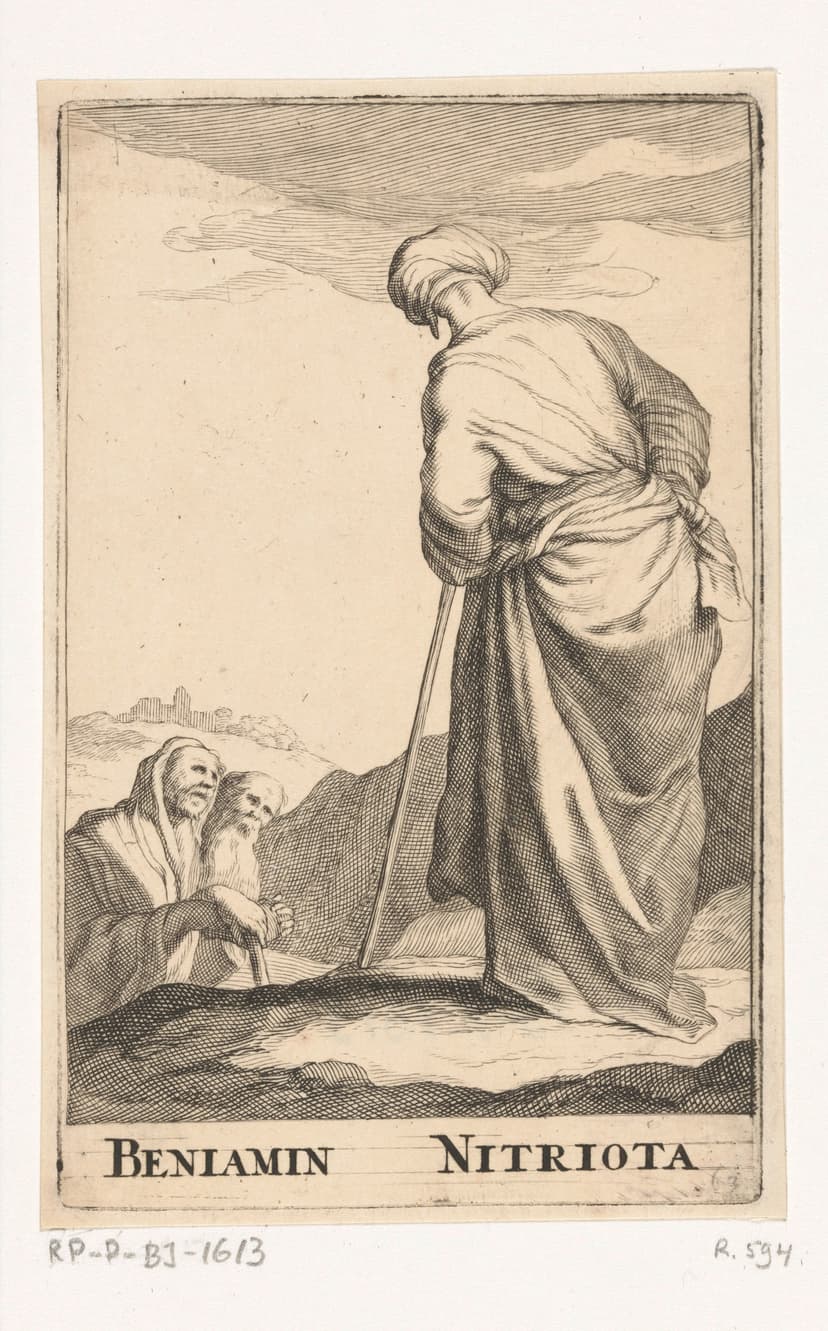
Benjamin of Nitria
Benjamin of Nitria refers to two Orthodox saints, both known for their ascetic lives and healing gifts. The first, a monk who died in 392, lived ascetically on Mount Nitria and is remembered for healing the sick through touch or by giving them oil, even while suffering from dropsy himself. The second, a 5th-century hermit martyred in 424, is considered one of the earliest Orthodox hermits in Egypt and is also credited with miraculous healing powers.