
Voer Abbey
Voer Abbey was one of Denmark's oldest Benedictine abbeys, founded before 1100 and possessing significant wealth and land holdings. It played a role in local infrastructure by diverting the Gudenå River to power a grist mill. Following reforms and the Reformation, the abbey was dissolved, its buildings demolished, and its materials repurposed.
Key Facts
- ›Founded before 1100 as one of Denmark's oldest Benedictine abbeys.
- ›Owned extensive properties across Jutland.
- ›Diverted the Gudenå River in 1172 to operate a grist MILL.
- ›Was reformed and placed under Cistercian control in 1486.
- ›Dissolved in 1536 following the Danish Reformation.
- ›Abbey buildings were demolished in 1586 and materials used for Skanderborg Castle.
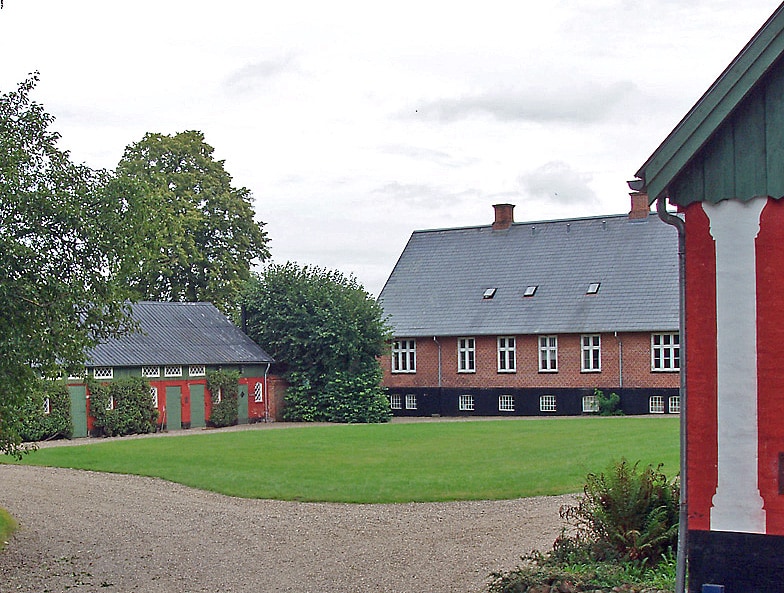
Gudenå River Diversion Canal, Former Monastery Mill Site
Voer Kloster
- Peasant Uprising and Looting of the Abbey In 1244
- Reformation of the Abbey Under Cistercian Control In 1486
- Dissolution Following the Danish Reformation In 1536
About Voer Abbey
Voer Abbey, also known as Voer Kloster, was a significant Benedictine monastic institution in Denmark, established before the year 1100 in Voerladegård Parish, Skanderborg Municipality. It stood as one of the oldest Benedictine abbeys in the country and grew to be quite prosperous, accumulating numerous income-generating properties that stretched across Jutland, from Southern Jutland to Mors Island and Thisted. The abbey's influence extended to local infrastructure, notably through its diversion of the Gudenå River in 1172 to power a grist mill near Klostermølle.
History and Dissolution
The abbey's history was marked by periods of both prosperity and hardship. In 1244, a peasant uprising led to the looting of Voer Abbey and the neighboring Vissing Priory, with Vissing subsequently being burned to the ground. The following century was challenging due to widespread destruction of farms and population decline. In 1486, the Benedictine abbey underwent a reform, with the bishop of the Diocese of Aarhus requesting that the Cistercians take control due to perceived abuses stemming from the community's wealth. The hope was that the Cistercians' reputation for strict observance would restore confidence in the institution.
The course of Voer Abbey was irrevocably altered by the Danish Reformation. In 1536, Denmark officially became a Lutheran country, and all religious properties reverted to the crown. At the time of its dissolution, historical records indicate there were twenty monks at Voer. The abbey lands and its gristmill were converted into Voerladegaard, an income-producing property for the crown. In an unusual arrangement, the monks were permitted to remain as a secular community to manage the mill and farms. However, this arrangement was temporary, as the remaining monks were moved to nearby Øm Abbey in 1552. The physical structures of Voer Abbey were demolished in 1586, with their materials being utilized for the expansion and fortifications of the former Skanderborg Castle.
Klostermølle Site Today
The site of Voer Abbey, known as Klostermølle, is located where the Gudenå River flows into Mossø Lake. Excavations have taken place at the monastery's former location, and the site is publicly accessible, although no original abbey structures remain visible. The restored canal that once powered the grist mill still functions. The existing buildings on the site are from a later period and are currently utilized by the environmental organization Natur & Ungdom, which operates a nature school, camp school, and its secretariat. The area is now open for recreational purposes, welcoming the public.
Source: Wikipedia ↗
Frequently Asked Questions
When was Voer Abbey founded?
Voer Abbey was founded before the year 1100, making it one of the oldest Benedictine abbeys in Denmark. Historical records indicate its establishment prior to this date.
What was the significance of the Gudenå River to Voer Abbey?
The monks of Voer Abbey diverted the Gudenå River in 1172 into a canal to operate a grist mill. This demonstrates the abbey's engagement with local infrastructure and resource management.
What happened to Voer Abbey after the Reformation?
Following the Danish Reformation in 1536, all religious houses reverted to the crown. Voer Abbey's lands and mill became crown property, and its buildings were demolished in 1586.
Are there any visible remains of Voer Abbey today?
While the site of the monastery has been excavated and is publicly accessible, there are no visible remains of the original abbey buildings. The restored canal, however, still functions.
What is the current use of the Klostermølle site?
The buildings at the Klostermølle site, located on the former monastery grounds, are now used by the environmental organization Natur & Ungdom. They house a nature school, camp school, and the organization's secretariat, and the site is open for recreation.
Related Monasteries

Ringsted Abbey
Ringsted Abbey was one of the earliest and most significant Benedictine monasteries in Denmark, established in the late 11th century. It gained immense importance as the burial site of Knud Lavard and later became a prominent pilgrimage destination and a resting place for Danish royalty. Despite surviving the Reformation, the abbey and its properties were eventually secularized, with only its church remaining today.
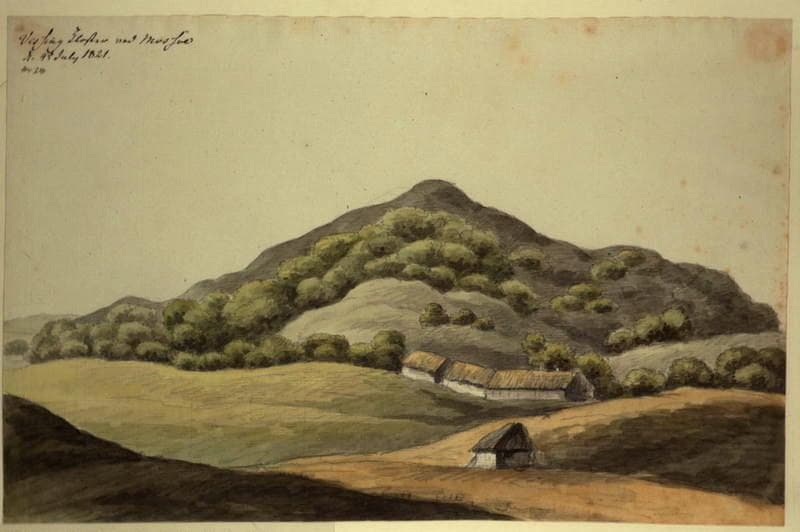
Vissing Priory
Vissing Priory was a Benedictine nunnery located in Denmark, likely founded in the mid-12th century by a Bishop of Aarhus, potentially as a double monastery with the nearby Voer Abbey. The priory faced destruction by fire in 1244 during civil conflict and its subsequent rebuilding is uncertain. It was formally dissolved between 1424 and 1449, with its estates eventually transferred to the Bishop of Aarhus and later partially to Voer Abbey.

Sminge Abbey
Sminge Abbey, known in historical records as Veng Abbey, was one of Denmark's earliest Benedictine monasteries, established in the late 1060s. It experienced a significant decline by the 1160s, leading to its closure and subsequent occupation by Cistercian monks from Sminge Abbey. Despite initial challenges and attempts to disrupt its operation, the Cistercian monks eventually relocated, ultimately founding Øm Abbey, which preserved the limited surviving records of Veng.