
Shrine of St. Anthony
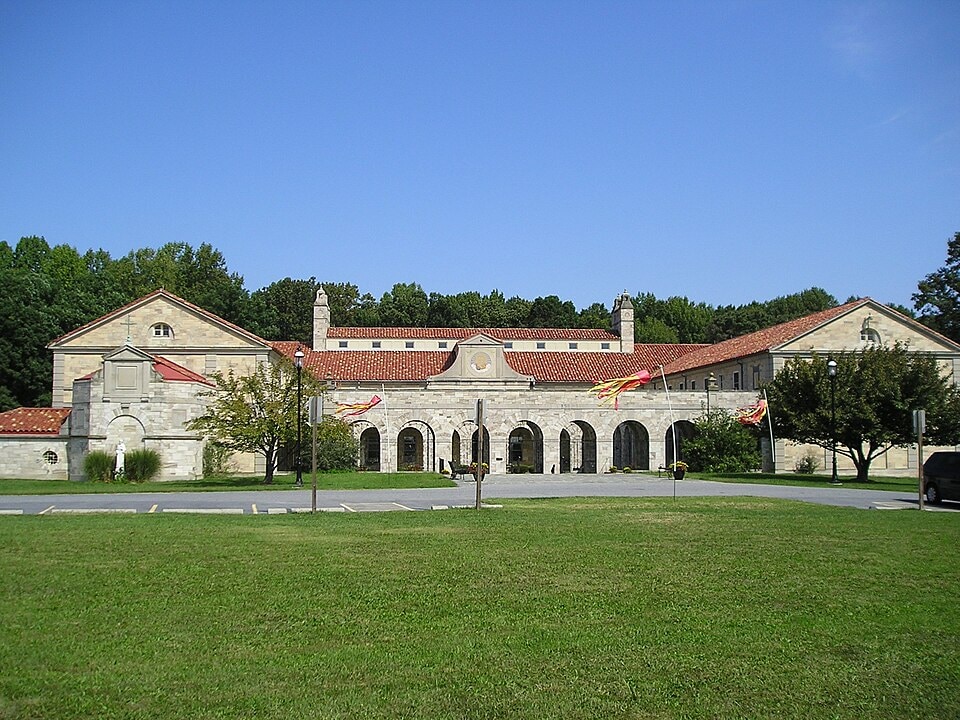
The Shrine of St. Anthony is a Catholic shrine dedicated to St. Anthony of Padua, located within the St. Joseph Cupertino Friary in Ellicott City, Maryland. Operated by the Conventual Franciscan Friars, the shrine preserves a relic of St. Anthony and offers spiritual services, retreat spaces, and public access to its chapel and grounds. The historic Manor House on the property, originally part of a larger estate, has been recognized for its historical significance.
Key Facts
- ›Houses a first-class relic of St. Anthony of Padua.
- ›Operated by the Conventual Franciscan Friars, our Lady of the Angels Province.
- ›The friary grounds include seven prayer trails and a Lourdes grotto.
- ›The historic Manor House, built around 1730, is listed on the National Register of Historic Places.
- ›Offers daily Mass, the Sacrament of Reconciliation, and spiritual direction.
- ›Hosts an annual pilgrimage in MID-June.
Georgian, Greek, Romanesque
- Chapel With Relic of St. Anthony
- St. Maximilian Kolbe Outdoor Shrine
- Seven Prayer Trails
- Lourdes Grotto
- Historic Manor House
- Copies of Thirteen Original Paintings of St. Anthony's Life
St. Anthony of Padua, St. Maximilian Kolbe, Charles Carroll of Annapolis, Charles Carroll of Carrollton, Emily Caton Mactavish, William Small, Charles Carroll Mactavish, Charles M. Dougherty, John Lee Carroll, Van Lear Black, Morris Schapiro, Rafael Merry Del Val, Fr. Benedict Przemielewski, Archbishop Michael Joseph Curley, William Cardinal Keeler, Fr. Gerry Waterman, Ofm Conv., Fr. Gary Johnson, Ofm Conv.
- Granting of 10,000 Acres To Charles Carroll of Annapolis
- Construction of Doughoregan Manor Begins
- Property Sectioned Off For Emily Caton Mactavish As Wedding Present
- Manor House Originally Built Around 1730
- Property Offered For Sale
- Estate Sold To Charles M. Dougherty
- Property Returned To Carroll Family Via John Lee Carroll
- Property Bought By Mr. Van Lear Black
- House and 236 Acres Sold To Franciscan Friars
- Construction of New Novitiate
- Blessing of New Novitiate
- Gift of First-Class Relic of St. Anthony
- Declaration As Official Archdiocesan Shrine
- Addition of Outdoor Shrine To St. Maximilian Kolbe
- Manor House Listed On National Register of Historic Places
About Shrine of St. Anthony
The Shrine of St. Anthony is a significant Catholic pilgrimage site dedicated to St. Anthony of Padua, situated within the St. Joseph Cupertino Friary in Ellicott City, Maryland. Operated by the Conventual Franciscan Friars, Our Lady of the Angels Province, the shrine serves as a spiritual center offering a relic of St. Anthony, daily Mass, confession, spiritual direction, and retreat spaces. The expansive friary grounds, covering 320 acres of hills and woodland, provide a serene environment for prayer and reflection, featuring seven walking trails and a Lourdes grotto.
Historical Context
The property's history is deeply intertwined with the influential Carroll family of Maryland. Originally part of a vast estate granted to Charles Carroll of Annapolis in 1700, the land saw the construction of Doughoregan Manor. A portion of this estate, known as "Folly Quarter," was developed, with its manor house built around 1730 and later remodeled. Over centuries, the property changed hands through inheritance and sales, eventually being purchased by the Franciscan Friars in 1928 for the establishment of a novitiate. The current friary building, designed as a smaller version of the Sacro Convento in Assisi, was constructed between 1930 and 1931.
Notable Features and Public Access
The shrine is distinguished by its possession of a first-class relic of St. Anthony of Padua, gifted in 1995, along with replicas of historical paintings detailing his life. The chapel housing the relic is open to the public during scheduled hours, with Mass offered daily. The historic Manor House, a remnant of the Folly Quarter estate, is also accessible to visitors on Sundays in October and is recognized for its historical architecture, having been listed on the National Register of Historic Places in 2014. An outdoor shrine to St. Maximilian Kolbe, featuring a statue blessed by Pope John Paul II, was added to the gardens in 2010, further enriching the devotional landscape.
Source: Wikipedia ↗
Frequently Asked Questions
What is the Shrine of St. Anthony?
The Shrine of St. Anthony is a Catholic shrine dedicated to St. Anthony of Padua, located within the St. Joseph Cupertino Friary in Ellicott City, Maryland. It serves as a ministry of the Conventual Franciscan Friars.
What can visitors do at the Shrine of St. Anthony?
Visitors can attend daily Mass, visit the chapel housing a relic of St. Anthony, explore the grounds with its prayer trails and grotto, and access the historic Manor House on specific Sundays in October. The shrine also offers opportunities for prayer, solitude, and spiritual direction.
What is the history of the property where the Shrine of St. Anthony is located?
The land has a history tied to the Carroll family, dating back to Charles Carroll of Annapolis in 1700. The Folly Quarter estate was developed, and parts of it were later sold to various owners before being acquired by the Franciscan Friars in 1928 to establish a novitiate.
What notable artifacts or features are at the Shrine of St. Anthony?
The shrine holds a first-class relic of St. Anthony of Padua, along with copies of thirteen original paintings depicting his life. The historic Manor House, built around 1730 and remodeled, is also a significant feature and is listed on the National Register of Historic Places.
When was the current friary building constructed?
A new novitiate building, designed as a miniature version of the Sacro Convento in Assisi, was constructed starting in 1930 and completed in 1931. This building was needed as the original manor house became too small for the growing community.
Related Monasteries

Monastery of the Holy Spirit
The Monastery of the Holy Spirit, officially the Monastery of Our Lady of the Holy Spirit, is a Trappist monastery located near Conyers, Georgia, within the Arabia Mountain National Heritage Area. Founded in 1944 by monks from the Abbey of Gethsemani, it is characterized by its commitment to prayer, self-sustainment through various businesses, and its role as a spiritual center offering retreats and spiritual direction. The monastery is home to an active community of monks and is open to visitors.

Our Lady of the Mississippi Abbey
Our Lady of the Mississippi Abbey, a Trappistine monastery, was founded in 1964 near Dubuque, Iowa, by nuns from Mount Saint Mary's Abbey in Massachusetts. It became an autonomous abbey in 1968 and is known for its production of Trappistine Creamy Caramels, which it ships worldwide. The community of approximately 20 nuns maintains a balanced life of prayer, study, and manual labor, and the abbey welcomes visitors for retreats.

Saint Louis Abbey
Saint Louis Abbey is a Catholic monastery of the English Benedictine Congregation located in Creve Coeur, Missouri. Founded in 1955 as a priory of Ampleforth Abbey, it became an independent abbey in 1973 and was elevated to abbey status in 1989. The monks follow the Benedictine tradition of "prayer and work," serving in parishes and operating the Saint Louis Priory School, a boys' school known for its English Benedictine educational tradition.