
Sheen Priory
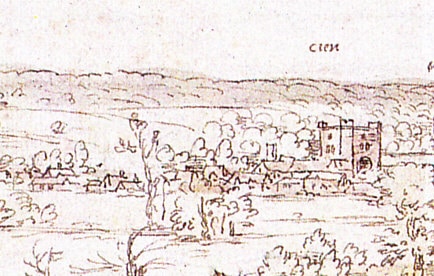
Sheen Priory was a Carthusian monastery founded in 1414 by King Henry V as part of a larger royal building scheme. Located in the royal manor of Sheen, now Richmond, London, it was intended to house 40 monks. The priory was dissolved in 1539 during the Dissolution of the Monasteries, and all above-ground traces have since disappeared.
Key Facts
- ›Founded in 1414 by King Henry V.
- ›Part of King Henry V's "the King's Great Work" which also included the reconstruction of Sheen Palace.
- ›Designated "the House of Jesus of Bethlehem of Shene" and intended for 40 Carthusian monks.
- ›Endowments at foundation included the church and rectory estate at Winterbourne Stoke, Wiltshire.
- ›The body of James IV of Scotland was sent to the priory after the Battle of Flodden in 1513, though not buried there due to excommunication.
- ›Dissolved in 1539 by King Henry VIII.
- Intended To House 40 Monks
- the Body of James Iv of Scotland Was Sent To the Priory After the Battle of Flodden
Shene, Shean, the House of Jesus of Bethlehem of Shene
King Henry V, King Richard Ii, Anne of Bohemia, King Henry Iv, James Iv of Scotland, Cardinal Pole
- Founded By King Henry V In 1414.
- Dissolved In 1539 During the Dissolution of the Monasteries.
- the Body of James Iv of Scotland Was Sent To the Priory After the Battle of Flodden In 1513.
About Sheen Priory
Sheen Priory, historically spelled Shene, Shean, and other variations, was a Carthusian monastery established in 1414 within the royal manor of Sheen, which is now part of Richmond, London. Situated on the south bank of the River Thames, it was part of King Henry V's ambitious royal building project known as "The King's Great Work." This initiative also involved the reconstruction of Sheen Palace, later renamed Richmond Palace.
Establishment and Purpose
King Henry V founded the priory, officially named "The House of Jesus of Bethlehem of Shene," with the intention of housing forty monks of the Carthusian order. The priory was constructed approximately half a mile north of the existing royal manor house. Its initial endowments included the church and rectory estate at Winterbourne Stoke in Wiltshire. The priory retained its name "Sheen" even after the surrounding manor was renamed "Richmond" in 1501, a change made in honor of King Henry VII's former earldom.
Later History and Dissolution
Sheen Priory played a role in later historical events, notably as the site where the body of James IV of Scotland was sent following his death at the Battle of Flodden in 1513. However, it appears the body was not physically buried at the priory due to James IV's excommunication. The priory was celebrated as a training ground for distinguished churchmen, including Cardinal Pole, in the early 16th century. Sheen Priory met its end in 1539, dissolved by King Henry VIII as part of the wider Dissolution of the Monasteries. Following its dissolution, its buildings and assets were transferred to the Crown. Today, all above-ground remnants of the priory have vanished, with only its foundations believed to exist beneath the grounds of Richmond Old Deer Park.
Source: Wikipedia ↗
Frequently Asked Questions
When was Sheen Priory founded?
Sheen Priory was founded in 1414 by King Henry V. This was part of a larger royal initiative known as "The King's Great Work."
What religious order was Sheen Priory a part of?
Sheen Priory belonged to the Order of Carthusians, also known as the "House of Jesus of Bethlehem of Shene." It was intended to house 40 monks from this order.
What happened to Sheen Priory?
Sheen Priory was dissolved in 1539 as part of the Dissolution of the Monasteries under King Henry VIII. Its buildings and assets then became Crown property.
Where was Sheen Priory located?
The priory was built within the royal manor of Sheen, on the south bank of the Thames, in what is now Richmond, London. Today, its foundations are located southwest of Kew Observatory, under a golf course fairway in Richmond Old Deer Park.
Is Sheen Priory still standing today?
No, all above-ground traces of Sheen Priory have disappeared. Its foundations are the only known remaining physical evidence, lying beneath the grounds of Richmond Old Deer Park.
Why was Sheen Priory established?
King Henry V established Sheen Priory as part of his "The King's Great Work," which aimed to reconstruct Sheen Palace and found three monasteries. This project also served to emphasize the dynastic link between his House of Lancaster and the Plantagenet line.
Related Monasteries

Cambridge, Buckingham College Priory
Buckingham College was a Benedictine monastic college within the University of Cambridge, founded in 1428 to house and educate student-monks. Originally known as Monks' Hostel, it was renamed Buckingham College due to patronage by the Stafford family. The college was dissolved in 1542 and reformed as Magdalene College, with significant portions of Magdalene's First Court originating from its predecessor.

Bardsey Abbey
Bardsey Abbey, also known as St Mary's Abbey, was a significant religious site founded in the 6th century on Bardsey Island, Wales. It served as a major center of pilgrimage and a burial place for saints and important figures. The monastery, which eventually became part of the Augustinian Canons Regular by 1212, was dissolved and its buildings demolished in 1537 by Henry VIII, though the island retains its spiritual importance and is a destination for modern pilgrims.

Barnwell Priory
Barnwell Priory was an Augustinian priory founded around 1092 by Picot of Cambridge and his wife Hugolina. It served as a house of Canons Regular and played a role in the early establishment of the University of Cambridge due to its scriptorium and library. The priory was dissolved in 1538, and most of its buildings were later destroyed, with only a 13th-century claustral building and scattered remnants surviving.