
Shalford Preceptory
Christian·England·ruins (main preceptory), converted building (chapel)·12th century
Shalford Preceptory was a monastic establishment of the Knights Hospitaller located in Berkshire, England, founded in the late 12th century. It was a significant site that eventually merged with another preceptory by 1338. While the main preceptory no longer exists, its chapel has survived, albeit converted into a barn, and is recognized as a Grade II* listed building.
Key Facts
- ›Established in the late 12th century.
- ›Was a preceptory of the Knights Hospitaller.
- ›Merged with the preceptory at Greenham by 1338.
- ›Located in Shalford, Berkshire, England.
- ›Its chapel survives and is a Grade II* listed building.
- ›The chapel was converted into a barn before 1614.
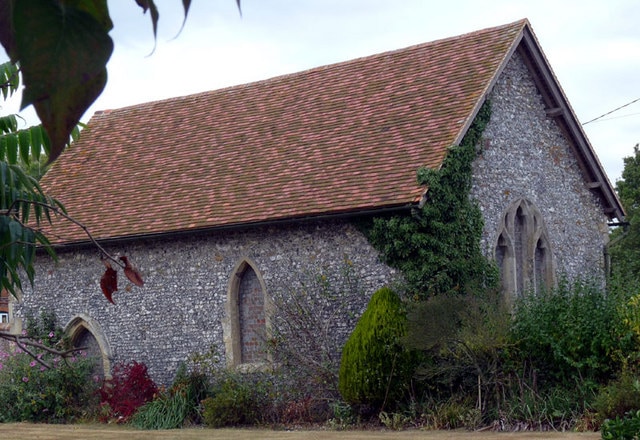
Surviving Chapel
Merger With Greenham Preceptory By 1338, Conversion of Chapel Into A Barn Before 1614
About Shalford Preceptory
Shalford Preceptory was a monastic institution belonging to the Knights Hospitaller, situated in Shalford within the county of Berkshire, England. Its establishment dates back to the late 12th century, marking its presence during a significant period for military and religious orders in England.
History and Significance
The preceptory played a role in the network of the Knights Hospitaller, an order renowned for its hospitaller and military functions. By the year 1338, Shalford Preceptory had undergone a significant administrative change, merging with the nearby preceptory at Greenham. This consolidation likely reflected broader trends in the management of monastic and military orders during the medieval period.
Surviving Structures
While the main structures of Shalford Preceptory have not survived, its chapel remains as a testament to its past. This chapel underwent a significant alteration in its use, being converted into a barn sometime before 1614. Despite this functional repurposing, the building's architectural and historical importance has been recognized, and it is now designated as a Grade II* listed building, highlighting its value as a heritage asset.
Source: Wikipedia ↗
Frequently Asked Questions
When was Shalford Preceptory founded?
Shalford Preceptory was established in the late 12th century. Historical records indicate its existence during this period.
What religious order was associated with Shalford Preceptory?
Shalford Preceptory belonged to the Knights Hospitaller. This order was known for its military and charitable activities.
What remains of Shalford Preceptory today?
The chapel of Shalford Preceptory is the primary surviving structure. It has been converted into a barn, but its historical significance is recognized through its Grade II* listed building status.
Did Shalford Preceptory remain an independent institution?
No, by 1338, Shalford Preceptory had merged with the preceptory at Greenham. This indicates a consolidation of their holdings and operations.
Related Monasteries

Aldeby Priory
Aldeby Priory was a 12th-century Benedictine monastic house located in Aldeby, Norfolk, England. Initially established as a priory cell of Norwich Cathedral, it was founded by Agnes de Beaupré and her husband Hubert de Rye. The priory was dedicated to St. Mary and received confirmation of grants from Henry I, including the church and manor of Aldeby. Despite its modest size, it played a role in local administration and faced financial and structural issues in its later years before its dissolution.
Aldgate Priory
Holy Trinity Priory, also known as Christchurch Aldgate, was an Augustinian priory founded around 1108 by Queen Matilda of Scotland near Aldgate in London. It held significant ties to English royalty, with several queens maintaining a close relationship with the priory and some royal children buried there. The priory was a center of learning in the 12th century and played a role in civic life, with its prior serving as an Alderman of London. It was dissolved in 1532 and its buildings have since been largely lost, with only remnants surviving.

Anglesey Priory
Anglesey Abbey is a National Trust property in Lode, England, that evolved from an Augustinian priory founded in the early 12th century. After its dissolution in 1536, the site was transformed into a Jacobean-style house, and later extensively developed by Lord Fairhaven into a country house with significant art collections and landscaped gardens. The property now features a house, gardens, and a working mill, preserving the legacy of its monastic past and its later private ownership.