
Seaton Priory
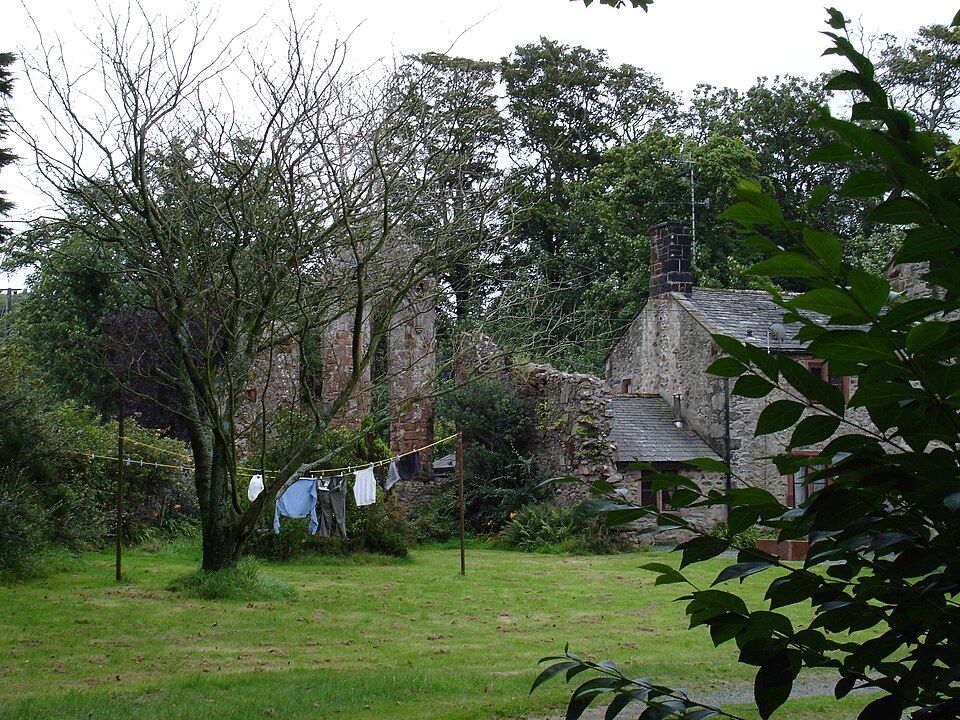
Seaton Priory, originally known as the nunnery of Lekeley, was founded around 1190 by Henry de Boyville and followed the Benedictine Rule. Despite efforts to alleviate its poverty through church appropriations and aid from other abbeys, the nunnery struggled financially due to its proximity to the Scottish border and the unsettled nature of the region. While little of the original structure remains, parts of the chancel with Gothic lancet windows have survived, and a house, Seaton Hall, was built into the ruins.
Key Facts
- ›Founded circa 1190 by Henry de Boyville.
- ›Followed the Benedictine Rule.
- ›Suffered from financial difficulties due to its location near the Scottish border.
- ›Received appropriations from the church of St. Michael of Irton and the hospital of St. Leonard, Lancaster.
- ›The east end of the chancel with Gothic lancet windows is a surviving architectural remnant.
- ›Seaton Hall was built into the ruins of the priory.
Gothic
Chancel Remains With Gothic Lancet Windows, Seaton Hall Built Into Ruins
Nunnery of Lekeley
Henry De Boyville, Godard De Boyville, Walter Gray, Henry, Duke of Lancaster, Thomas York, Elizabeth Croft, Joan Copland, Susanna Rybton, Joan Seaton, Sir Hugh Askew, Layton, Legh
- Dissolution of the Monasteries
- Attempted Restoration of Nuns During Northern Rebellion
About Seaton Priory
Seaton Priory, originally established as the nunnery of Lekeley, is a former monastic site located to the north of the parish of Bootle in Cumbria, England. Founded around 1190 by Henry de Boyville, grandson of Godard de Boyville, Lord of Millom, the nunnery was dedicated to the Blessed Virgin and its inhabitants followed the Benedictine Rule. Despite efforts to bolster its resources, including appropriations of churches and aid from other abbeys like Holmcultram, Seaton Priory experienced persistent financial difficulties. These struggles were exacerbated by the unsettled conditions of the region due to its proximity to the Scottish border.
Survival and Remains
Historical records indicate that the nunnery's total revenue in 1535 was modest. The exact date of its dissolution is not precisely recorded, but by 1537, Sir Hugh Askew held a lease on the priory lands. An attempt was made to reinstate the nuns during a rebellion in the northern counties, but this was unsuccessful. Today, very little of the original priory structure remains. The most significant surviving element is the east end of what is believed to be the chancel, which features three Gothic lancet windows. Furthermore, a house known as Seaton Hall was constructed utilizing the ruins, and it continues to stand on the site.
Source: Wikipedia ↗
Frequently Asked Questions
When was Seaton Priory founded?
Seaton Priory, originally known as the nunnery of Lekeley, was founded around 1190 by Henry de Boyville.
What religious order did the nuns at Seaton Priory follow?
The nuns at Seaton Priory followed the Benedictine Rule.
Why was Seaton Priory not very prosperous?
The nunnery was never very prosperous, common with other religious associations of women in the region, due to the unsettled nature of the area caused by its proximity to the Scottish border.
What remains of Seaton Priory today?
Very little remains of the Priory. The east end of what appears to be the chancel, with three Gothic lancet windows, survives. A house named Seaton Hall was built into the ruins and still stands.
Who were some of the known Prioresses of Seaton Priory?
The known Prioresses of Seaton Priory included Elizabeth Croft, who occurs in 1459, Joan Seaton, who occurs in 1535, and Joan Copland, who occurs in 1536.
Related Monasteries
Aldgate Priory
Holy Trinity Priory, also known as Christchurch Aldgate, was an Augustinian priory founded around 1108 by Queen Matilda of Scotland near Aldgate in London. It held significant ties to English royalty, with several queens maintaining a close relationship with the priory and some royal children buried there. The priory was a center of learning in the 12th century and played a role in civic life, with its prior serving as an Alderman of London. It was dissolved in 1532 and its buildings have since been largely lost, with only remnants surviving.

Ankerwycke Priory
Ankerwycke Priory was a small and relatively poor Benedictine nunnery established around 1160 in Buckinghamshire, England. Dedicated to St. Mary Magdalene, it held lands across several counties. Dissolved in 1536, its revenues were transferred to Bisham Abbey, and the priory site later saw the construction of a manor house. Today, only a small section of ruins remains, situated in Berkshire.

Arthington Priory
Arthington Priory was an English monastery for nuns of the Cluniac congregation, located in Arthington, West Yorkshire, and founded in the mid-12th century. It was one of only two Cluniac nunneries in England. The priory experienced periods of disciplinary issues among its nuns and prioresses, as documented by Archbishop William Greenfield's visits and injunctions. Following the Dissolution of the Monasteries under Henry VIII, the priory was surrendered in 1540, and its lands were eventually granted to Archbishop Thomas Cranmer. Today, little remains of the original priory structures, with a residence known as Arthington Hall built on the site around 1585, and the priory church potentially occupied by a farmhouse named The Nunnery.