
Prinknash Abbey — former site
Prinknash Abbey is a Roman Catholic monastery belonging to the Benedictine Confederation, located in Gloucestershire, England. For nearly 900 years, the land has been associated with Benedictine monks, with parts of the current structure originating as a hunting lodge in the early 16th century. The monastery was re-established in 1928 by Benedictine monks from Caldey Island, and it is known for its historical production of church incense.
Key Facts
- ›The land has been associated with Benedictine monks for nearly 900 years.
- ›Parts of the present buildings were constructed as a hunting lodge around 1520.
- ›The monastery was re-established in 1928 by monks from Caldey Island.
- ›Prinknash Abbey is noted for its production of church incense.
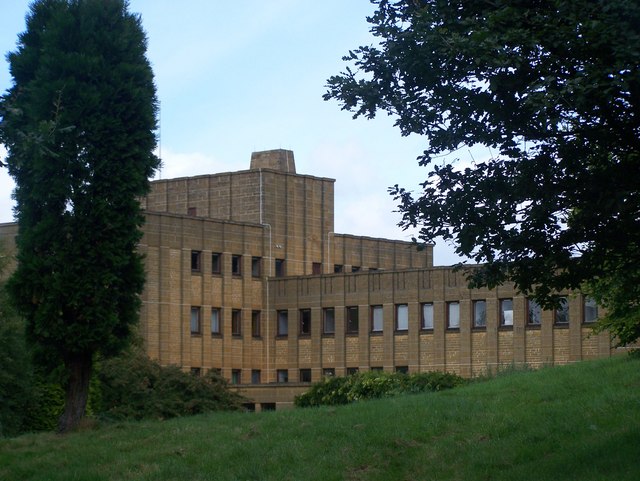
- ›A new abbey was built and occupied by the monks in 1972.
- ›The former abbey was converted into a retreat and conference centre known as St Peter's Grange.
Gothic Revival
Church Incense Production, Prinknash Pottery
Abbot æLred Carlyle, Fr. Wilfrid Upson, Dom Asaph Harris, Thomas Morey, Brother Patrick, Dom Sylvester HouéDard, Dom Stephen Horton
- Dissolution of the Monasteries
- Conversion From Anglicanism To Roman Catholicism By Caldey Island Monks
- Foundation of Prinknash Abbey
- Second World War
- Refounding of St Michael's Abbey, Farnborough
- Refounding of Pluscarden Priory
- Move Into the New Abbey
- Community Moves Back To St Peter's Grange
About Prinknash Abbey — former site
Prinknash Abbey
Prinknash Abbey is a Roman Catholic monastery situated in the Vale of Gloucester, near Cranham, Gloucestershire, England. It is part of the English Province of the Subiaco Cassinese Congregation, which in turn belongs to the worldwide Benedictine Confederation.
History
The land known as Prinknash has a long-standing connection with Benedictine monks, stretching back nearly 900 years to 1096 when it was gifted to Serlo, Abbot of Gloucester. During the abbacy of William Parker, the last Abbot of Gloucester, a substantial part of the present building was erected as a hunting lodge around 1520. This property remained in monastic possession until the Dissolution of the Monasteries in 1541, after which it was leased from the Crown and subsequently served as a home for the local gentry and nobility for several centuries.
In 1928, the Benedictine monks of Caldey Island, who had converted to Roman Catholicism in 1913, were gifted Prinknash. Six monks arrived on October 26, 1928, to establish a monastery, with the rest of the community following soon after. They worked to transform the house into a functioning abbey. The community grew, and in 1939, a foundation stone for a new abbey was laid, though construction was delayed by World War II. The monks moved into the new abbey in 1972, and the older buildings were converted into a retreat and conference centre known as "St Peter's Grange." By 2008, the community had relocated back to St Peter's Grange, which is a Grade I listed building.
Notable Aspects
Prinknash Abbey is particularly noted for its historical expertise in blending resins and fragrance oils for the creation of church incense. Additionally, in the early 1940s, monks established Prinknash Pottery, which flourished commercially for fifty years and is now recognized for its collectable wares. The monastery has also been home to artists and theologians, including Brother Patrick, Dom Sylvester Houédard, and Dom Stephen Horton.
Source: Wikipedia ↗
Frequently Asked Questions
When was Prinknash Abbey first associated with Benedictine monks?
The land known as Prinknash has been associated with Benedictine monks for nearly 900 years, dating back to 1096 when the Giffard family gifted the land to Serlo, Abbot of Gloucester.
What was the original purpose of parts of the current Prinknash Abbey buildings?
A significant portion of the present building was constructed as a hunting lodge for the Abbot of Gloucester around the year 1520.
How did Prinknash Abbey become a monastery again?
In 1928, Benedictine monks from Caldey Island arrived to establish a monastery at Prinknash, fulfilling a wish that the property be given to them.
What is Prinknash Abbey particularly known for?
Prinknash Abbey is recognized for its blending of resins and fragrance oils to create church incense.
What happened to the old abbey buildings after the new one was built?
The old abbey was re-roofed, re-furnished, and converted into a retreat and conference centre called St Peter's Grange. By 2008, the monastic community had moved back to St Peter's Grange.
Is there any connection to pottery from Prinknash Abbey?
Yes, Prinknash Pottery was established on a commercial basis in the early 1940s by monks experimenting with clay. The pottery flourished for fifty years and its pieces are now collectable.
Related Monasteries
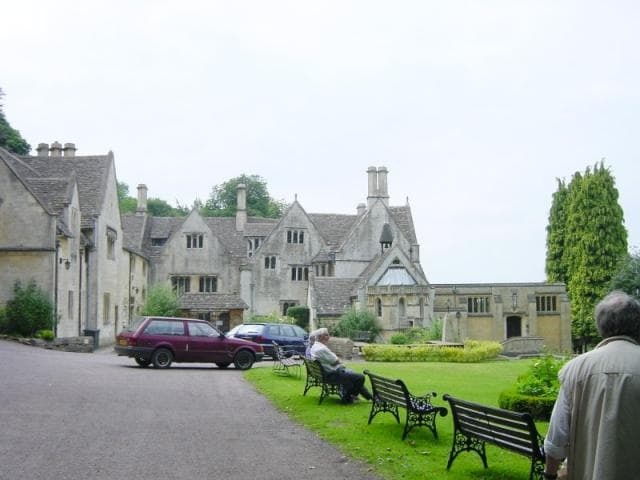
Prinknash Abbey
Prinknash Abbey is a Roman Catholic monastery belonging to the English Province of the Subiaco Cassinese Congregation, part of the worldwide Benedictine Confederation. Historically associated with Benedictine monks for nearly 900 years, the land was gifted to the Abbot of Gloucester in 1096. A significant portion of the current buildings originated as a hunting lodge built around 1520. The monastery was re-established in 1928 by Benedictine monks from Caldey Island, who converted the former hunting lodge into a functioning abbey.
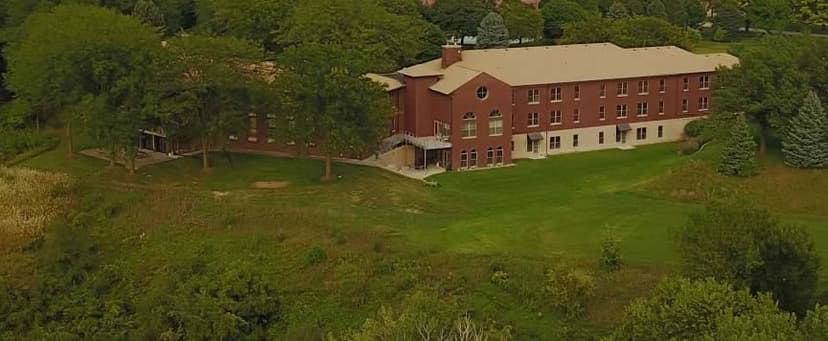
Mount Michael Abbey
Mount Michael Abbey is a Benedictine monastery located outside Elkhorn, Nebraska, within the Archdiocese of Omaha. Founded in 1952, it traces its roots to Engelberg Abbey in Switzerland and Conception Abbey in Missouri. The abbey's primary apostolate is education, operating an attached high school, and its community follows the Rule of Saint Benedict, balancing prayer with various forms of work.
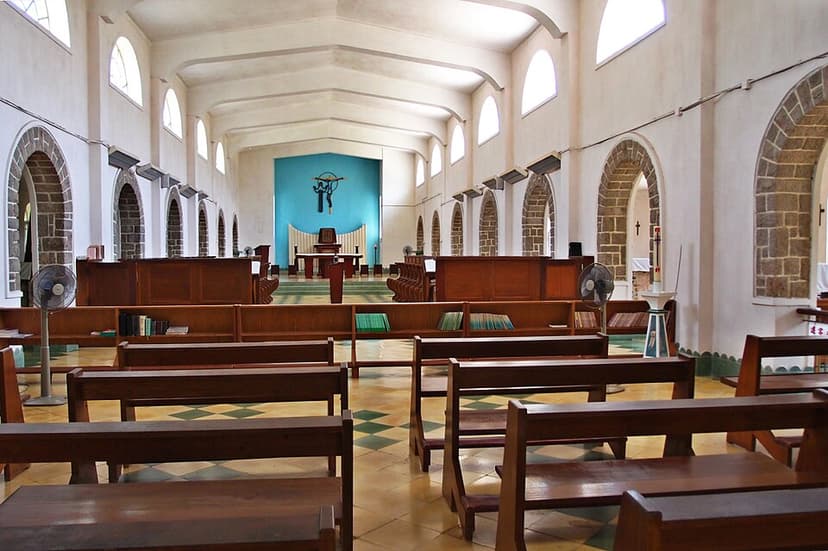
Our Lady of Joy Abbey
Our Lady of Joy Abbey is a Roman Catholic monastery on Lantau Island, Hong Kong, belonging to the Cistercian Order of the Strict Observance (Trappists). Founded by refugee monks fleeing persecution in mainland China, the abbey was officially established in its current location in 1956, adopting its current name in 2000. It is known for its dairy farm, which produces Trappist milk, and its scenic location along a popular hiking trail.