
Pokajnica Monastery
Pokajnica Monastery, meaning "Repentance Monastery," is a Serbian Orthodox monastery complex located in Velika Plana, Serbia. Originally built in 1818 as a parish church, it was transformed into a monastery in 1954. The monastery is recognized as a Monument of Culture of Exceptional Importance, protected by Serbian law.
Key Facts
- ›Founded in 1818.
- ›Became a monastery in 1954, having previously served as a parish church.
- ›Features an interior iconostasis carved by a local craftsman.
- ›Includes a wooden bell tower and living quarters dating from the church's construction period.
- ›Declared a Monument of Culture of Exceptional Importance by the Republic of Serbia in 1979.
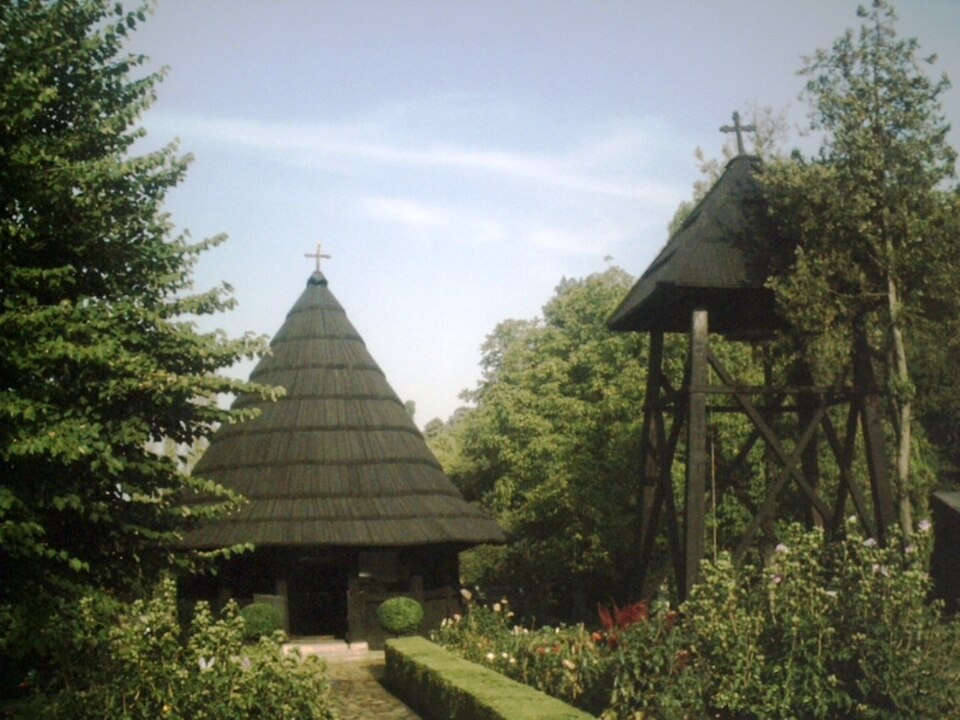
Traditional Serbian
- Wooden Bell Tower
- Living Quarters From the Time of Church Construction
- Iconostasis Carved By A Local Craftsman
Manastir Pokajnica, Repentance Monastery
- Became A Parish Church Until 1954
- Transformed Into A Monastery In 1954
- Declared A Monument of Culture of Exceptional Importance In 1979
About Pokajnica Monastery
Pokajnica Monastery, whose name translates to "Repentance Monastery," is a significant monastic complex located in Velika Plana, Serbia. Originally constructed in 1818, it initially served as a parish church before its consecration as a monastery in 1954. The monastery is distinguished by its historical architecture, including an interior iconostasis meticulously carved by a local craftsman, and its inclusion in the cultural heritage of Serbia.
History and Architecture
The church at Pokajnica Monastery was built in 1818. Its interior features a notable iconostasis, the work of a local artisan. The monastery grounds also contain a wooden bell tower and living quarters that are presumed to date from the time of the church's construction, characterized by their distinctive wooden bars on the windows. Conservation efforts have been undertaken to preserve the church, with work on the building itself occurring in 1951 and on the iconostasis between 1987 and 1988.
Cultural Significance
In recognition of its historical and architectural value, the Republic of Serbia declared Pokajnica Monastery a Monument of Culture of Exceptional Importance in 1979. This designation ensures its legal protection and highlights its importance within Serbia's cultural landscape. The monastery continues to function as an active religious site, contributing to the spiritual and cultural heritage of the region.
Source: Wikipedia ↗
Frequently Asked Questions
When was Pokajnica Monastery built?
Pokajnica Monastery was originally built in 1818. It has undergone conservation work, with the church being conserved in 1951 and the iconostasis in 1987-88.
What is the significance of Pokajnica Monastery?
Its significance lies in its historical architecture, including an original iconostasis carved by a local craftsman, and its designation as a Monument of Culture of Exceptional Importance by the Republic of Serbia in 1979, indicating its protected status.
What are the notable features of Pokajnica Monastery?
Key features include its 1818-era church with a hand-carved iconostasis, a wooden bell tower, and adjacent living quarters that likely date back to the church's construction. The monastery complex is set in Velika Plana.
When did Pokajnica Monastery become a monastery?
Pokajnica Monastery transitioned from serving as a parish church to a monastery in 1954. Prior to this, it functioned as a local church.
Related Monasteries

Monastery of the Holy Trinity
The Monastery of the Holy Trinity is a Serbian Orthodox monastery located in Kikinda, Vojvodina, Serbia. It was constructed between 1885 and 1887 and was established as a foundation by Melanija Nikolić-Gajčić. The monastery is situated in the Banat region of northern Serbia.
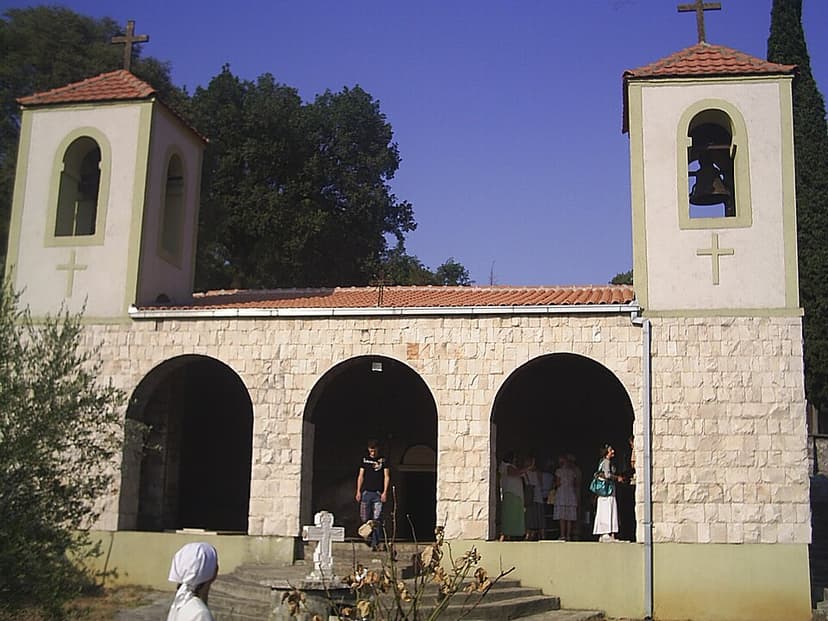
Dajbabe Monastery
The Dajbabe Monastery is a Serbian Orthodox monastery located in a cave on Dajbabe Hill near Podgorica, Montenegro. Founded in 1897 and dedicated to the Assumption of the Theotokos, it initially utilized the cave as a sanctuary before plans for expansion. A notable feature is its reliquary containing the relics of St. Simeon Dajbabe.

Dalmatinska Lazarica Monastery
The Holy Lazarica Monastery, also known as Dalmatinska Lazarica, is a Serbian Orthodox monastery located near Knin, Croatia. Construction began in 1874 and was completed in 1889. The monastery is dedicated to Prince Lazar of Serbia, a significant figure in Serbian history.