
Old Buckenham Priory
Old Buckenham Priory was an Augustinian priory established around 1146 on the grounds of Old Buckenham Castle in Norfolk, England. Founded by William de Albini and Queen Adeliza, it was dedicated to St Mary, St James, and All Saints. The priory flourished for centuries, accumulating significant property, before its suppression in 1537 during the Dissolution of the Monasteries. Today, only a single remnant of its structure remains above ground.
Key Facts
- ›Founded circa 1146 by William de Albini and Queen Adeliza.
- ›Followed the Rule of St. Augustine.
- ›Dedicated to St Mary, St James, and all Saints.
- ›Held property in 42 Norfolk parishes by 1291.
- ›Suppressed in 1537 during the Dissolution of the Monasteries.
- ›The site is now part of Abbey Farm, with only a lump of mortared flint remaining above ground.
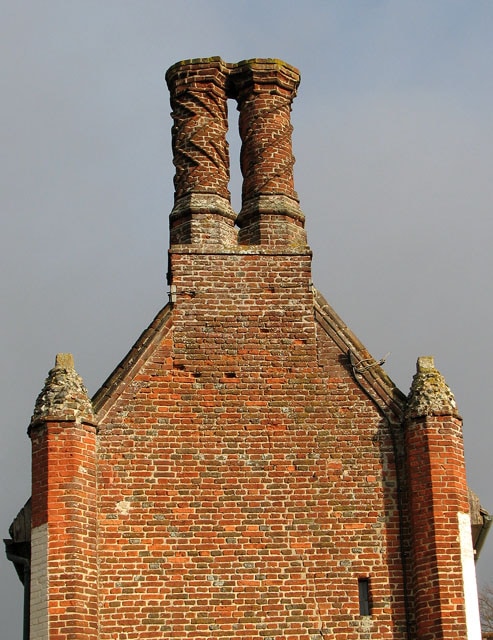
Site of Old Buckenham Castle, Remnant of Mortared Flint
William De Albini, Queen Adeliza
Dissolution of the Monasteries
About Old Buckenham Priory
Old Buckenham Priory was an Augustinian monastic institution situated at Old Buckenham in Norfolk, England. Its establishment occurred on the historical site of Old Buckenham Castle.
Founding and Early Years
The priory was founded circa 1146 through the joint efforts of William de Albini and his wife, Queen Adeliza, who was the widow of King Henry I. The foundational charter provided the priory with the grounds of the former castle and the rectories of All Saints and St. Andrews within the manor of Buckenham. The priory was dedicated to St Mary, St James, and All Saints, with its canons adhering to the rule of the Order of St. Augustine.
Growth and Suppression
Through subsequent land donations and other benefactions, the priory experienced growth. By 1291, it held property spanning 42 parishes across Norfolk. The monastic community typically comprised a prior and between eight to ten canons, supplemented by secular staff. The priory's operational history concluded in 1537 when it was suppressed as part of King Henry VIII's Dissolution of the Monasteries. Following its closure, the priory lands were granted a lease to Sir Edmund Knevett of Buckenham Castle. Today, the site is part of Abbey Farm.
Present Remains
Of the priory structures themselves, only a single lump of mortared flint is visible above ground. Historical records also note the burial of Warin de Munchensy and his wife Agnes FitzPayn within the priory precincts.
Source: Wikipedia ↗
Frequently Asked Questions
When was Old Buckenham Priory founded?
Old Buckenham Priory was founded around the year 1146. It was established by William de Albini and Queen Adeliza, the widow of King Henry I.
To which religious order did Old Buckenham Priory belong?
The canons of Old Buckenham Priory followed the Rule of the Order of St. Augustine. It was an Augustinian priory.
What happened to Old Buckenham Priory?
The priory was suppressed in 1537 as part of the Dissolution of the Monasteries under King Henry VIII. Following its closure, the priory lands were leased to Sir Edmund Knevett.
What remains of Old Buckenham Priory today?
Above ground, only a single lump of mortared flint remains of the priory itself. The site is now incorporated into Abbey Farm.
Who founded Old Buckenham Priory?
The priory was founded by William de Albini and his wife, Queen Adeliza, who was the widow of King Henry I. Their foundation charter granted the priory the site of the old Buckenham castle.
Related Monasteries
Aldgate Priory
Holy Trinity Priory, also known as Christchurch Aldgate, was an Augustinian priory founded around 1108 by Queen Matilda of Scotland near Aldgate in London. It held significant ties to English royalty, with several queens maintaining a close relationship with the priory and some royal children buried there. The priory was a center of learning in the 12th century and played a role in civic life, with its prior serving as an Alderman of London. It was dissolved in 1532 and its buildings have since been largely lost, with only remnants surviving.

Ankerwycke Priory
Ankerwycke Priory was a small and relatively poor Benedictine nunnery established around 1160 in Buckinghamshire, England. Dedicated to St. Mary Magdalene, it held lands across several counties. Dissolved in 1536, its revenues were transferred to Bisham Abbey, and the priory site later saw the construction of a manor house. Today, only a small section of ruins remains, situated in Berkshire.

Arthington Priory
Arthington Priory was an English monastery for nuns of the Cluniac congregation, located in Arthington, West Yorkshire, and founded in the mid-12th century. It was one of only two Cluniac nunneries in England. The priory experienced periods of disciplinary issues among its nuns and prioresses, as documented by Archbishop William Greenfield's visits and injunctions. Following the Dissolution of the Monasteries under Henry VIII, the priory was surrendered in 1540, and its lands were eventually granted to Archbishop Thomas Cranmer. Today, little remains of the original priory structures, with a residence known as Arthington Hall built on the site around 1585, and the priory church potentially occupied by a farmhouse named The Nunnery.