
Montier-en-Der Abbey
Christian·France·National Stud Farm·7th century
The Abbey of Montier-en-Der was a significant Benedictine, and later Cluniac, monastery founded around 670 in the deep oak forest of Der, France. It played a crucial role in the history of West Francia, with its cartulary serving as a vital source of information. Following its secularization during the French Revolution, the grounds were repurposed in 1806 as the French National Stud Farm.
Key Facts
- ›Founded around 670 by the monk Bercharius.
- ›Initially a Benedictine abbey, later adopted Cluniac reforms.
- ›The cartulary of Montier-en-Der is a key historical document for West Francia.
- ›Supervised twelve priories by the time of the Wars of Religion.
- ›Secularized during the French Revolution and became the French National Stud Farm in 1806.
Carolingian-Romanesque, Gothic
Cartulary, Sixteenth-Century Wooden Roof, Sixteenth-Century Stained Glass Windows
Puteolus
Bercharius
Secularized During the French Revolution
About Montier-en-Der Abbey
The Abbey of Montier-en-Der, located in Haute-Marne, France, was a historically significant monastic institution. Founded around 670 by the monk Bercharius, it began as a Benedictine abbey and later adopted Cluniac reforms. Situated in a deep oak forest by the river Voire, the site was once a Gallo-Roman villa, indicated by the discovery of an ivory diptych.
Monastery and History
During its early centuries, the monastery experienced periods of decline and revival. In the eighth century, it faced an eclipse, and by the ninth century, it was Carolingian property. A monastic refounding occurred in 827, but the monks were forced to flee Viking attacks in the early tenth century. Following their re-establishment, Montier-en-Der embraced the Gorze Reform and subsequently the Cluniac Reforms.
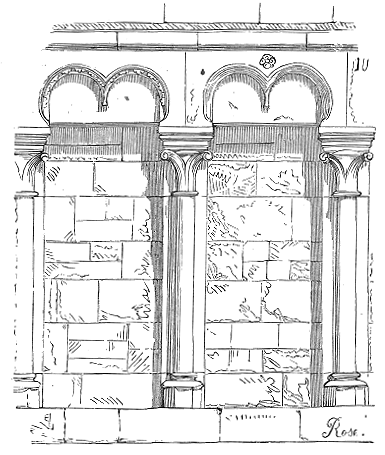
Under abbot Adso (960-92), the ruined church was rebuilt in stone and reconsecrated in 998. The architecture of the abbey church is notable for the contrast between its severe Carolingian-Romanesque nave and its Early Gothic choir from the twelfth and thirteenth centuries, which is adorned with sixteenth-century stained glass. The abbey also retained its sixteenth-century wooden roof, a reminder that not all churches were vaulted in stone.
By the end of the tenth century, the monastery had grown in prestige and wealth. The cartulary of Montier-en-Der, compiled in the 1120s, is a vital historical source, providing insights into West Frankish society, including information on rulers, manorial structures, and peasant life. At the time of the Wars of Religion, Montier-en-Der supervised twelve priories and was a key benefice for Charles, Cardinal of Lorraine.
National Stud Farm
The abbey's monastic life concluded with its secularization during the French Revolution in 1790. In 1806, Napoleon Bonaparte established the French National Stud Farm (Le Haras National) on the former abbey grounds. This facility was created with the purpose of breeding improved horses for the cavalry. The stud farm structures were later rebuilt for modern functionality during the Second Empire.
Source: Wikipedia ↗
Frequently Asked Questions
When was the Abbey of Montier-en-Der founded?
The monastery was founded in about 670. It was established by the monk Bercharius on land that was part of his inheritance, located in the forest of Der.
What religious order was Montier-en-Der associated with?
Initially, Montier-en-Der was a Benedictine abbey. Later in its history, it accepted the Cluniac Reforms.
What is the historical significance of the Montier-en-Der cartulary?
The cartulary, assembled in the 1120s, is considered a crucial source of information for the history of West Francia. It contains genuine charters and forgeries that shed light on popes, kings, counts, manorial structures, and peasant obligations.
What is the current use of the former abbey grounds?
After being secularized during the French Revolution, the grounds and premises of the former monastery have been used as the French National Stud Farm since 1806. This facility was established to breed improved horses for the cavalry.
What architectural styles are represented at Montier-en-Der?
The abbey church features a severe Carolingian-Romanesque nave that contrasts with a Gothic choir. The choir, dating from the twelfth and thirteenth centuries, is illuminated by sixteenth-century stained glass windows.
Related Monasteries

Abbey of Saint-Germer-de-Fly
The Abbey of Saint-Germer-de-Fly is a former Benedictine abbey in Picardy, France, renowned for its church, which showcases early Gothic architectural elements. Originally founded in 630, it has a long history of destruction and rebuilding, notably transitioning to a Cistercian order before returning to Benedictine rule. The surviving church is considered a significant example of the transition from Romanesque to Gothic styles, featuring a 13th-century Marian chapel that echoes the Sainte-Chapelle of Paris.

Abbey of St Maur
Saint-Maur Abbey, originally known as Abbaye des Fossés, was a significant Benedictine monastery founded in 639 in what is now Saint-Maur-des-Fossés, France. Over its history, it underwent periods of reform, decadence, and reconstruction, playing a role in medieval political events and artistic development. Though the abbey buildings are largely gone, replaced by a park and a square, remnants like the Rabelais tower and old fortifications survive, with the site classified as historical monuments.

Argenteuil
Argenteuil is a commune located in the northwestern suburbs of Paris, France, with a history dating back to a 7th-century convent. Originally a rural escape, it has evolved into a populous suburb known for its artistic connections, particularly through painters like Claude Monet who depicted its scenes. The monastery that originated from the early convent was later destroyed during the French Revolution, but the area itself remains a significant urban center.