
Meymac Abbey
Benedictine·France·Active (implied by heritage listing and references to abbey)·10th century
Meymac Abbey, officially known as Abbaye Saint-André de Meymac, is a 13th-century Benedictine abbey situated in Meymac, France. Its origins trace back to a 10th-century monastery founded by Vicomte de Comborn, with significant construction commencing in the 12th century and concluding in the 13th century. The abbey church, also referred to as Saint-André and Saint-Léger, was designated a historical monument in 1840.
Key Facts
- ›Founded as a monastery in the 10th century by Vicomte de Comborn.
- ›Construction of the abbey church began in the 12th century and finished in the 13th century.
- ›It is a Benedictine abbey.
- ›The building was listed for heritage protection in 1840.
- ›Also known historically as Abbaye Saint-André de Meymac and the Abbey Church of Saint-André et Saint-Léger.
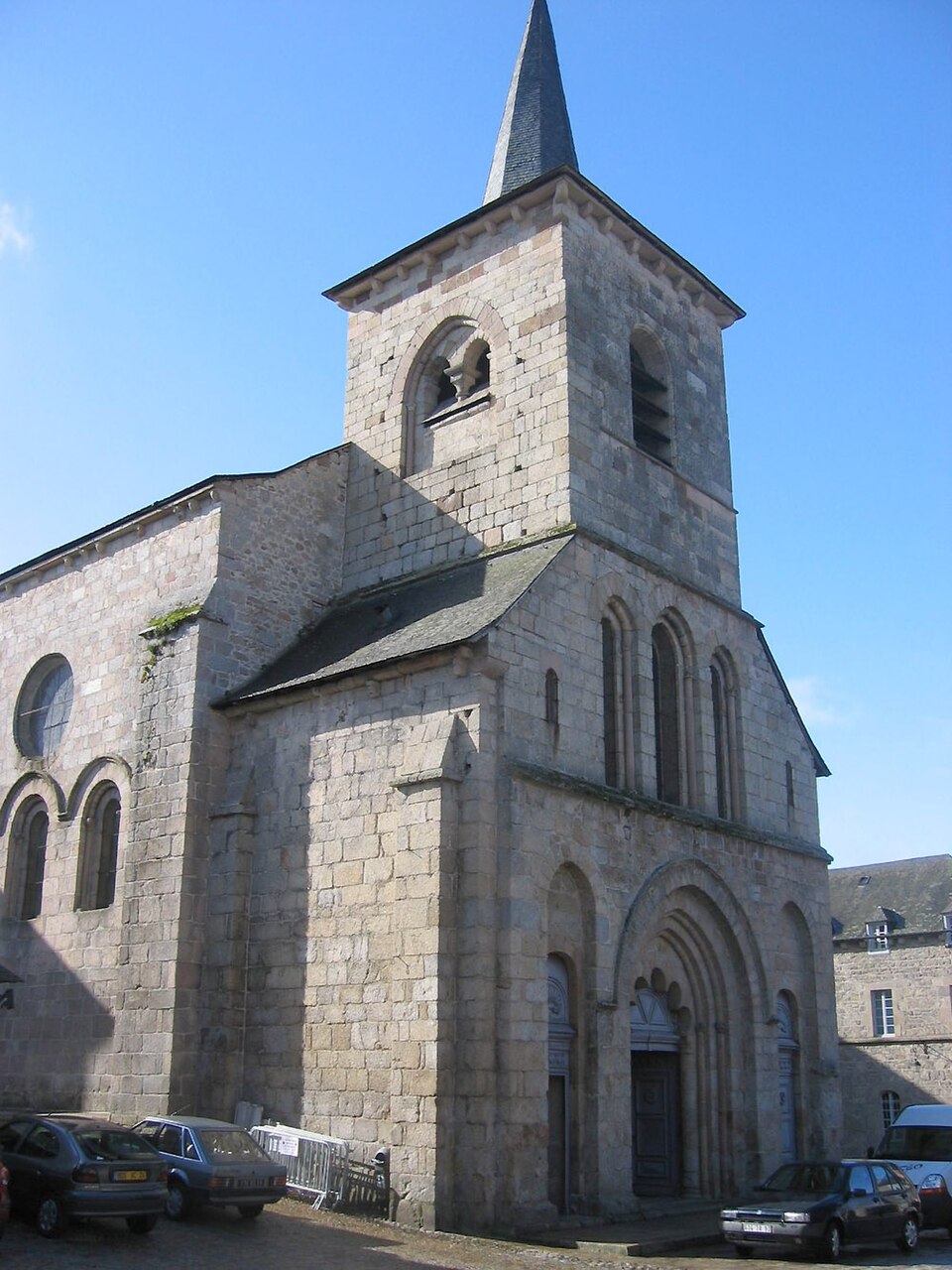
Abbey Church of Saint-André Et Saint-LéGer, the Black Virgin of Meymac
Abbaye Saint-André De Meymac, Abbey Church of Saint-André Et Saint-LéGer
Vicomte De Comborn
Listed For Heritage Protection In 1840
About Meymac Abbey
Meymac Abbey, formally known as Abbaye Saint-André de Meymac, is a significant religious site in Meymac, France. Its foundation as a monastery dates back to the 10th century, initiated by Vicomte de Comborn. The substantial construction of the abbey church, dedicated to Saint-André and Saint-Léger, commenced in the 12th century and was completed during the 13th century, marking a key period of development for the monastic complex.
Historical Significance and Recognition
The architectural and historical importance of Meymac Abbey was formally recognized in 1840 when it was placed on the list of historical monuments for heritage protection. This designation underscores its enduring value as a historical structure. The abbey is associated with the Benedictine order and is noted in historical records for features such as the Black Virgin of Meymac, suggesting it was a site of pilgrimage or veneration.
Development and Legacy
The abbey's history demonstrates a progression from its initial founding to the completion of its prominent church structure. While specific details about its current operational status or public accessibility are not elaborated upon in all sources, its designation as a historical monument indicates its preserved state. Meymac Abbey stands as a testament to medieval religious architecture and the historical monastic presence in the region.
Source: Wikipedia ↗
Frequently Asked Questions
When was Meymac Abbey founded?
The original monastery on the site of Meymac Abbey was founded in the 10th century. The construction of the abbey church itself began in the 12th century and was completed in the 13th century.
What religious order is Meymac Abbey associated with?
Meymac Abbey is a Benedictine abbey. It belongs to the Benedictine order.
What is the historical significance of Meymac Abbey?
Meymac Abbey has a long history, originating as a 10th-century monastery. Its significant 12th and 13th-century construction resulted in an abbey church that was recognized for its heritage value, being listed for protection in 1840.
Where is Meymac Abbey located?
Meymac Abbey is located in Meymac, France.
Related Monasteries

Ganagobie Abbey
Ganagobie Abbey, originally founded as a Cluniac priory in the 9th or 10th century, is a Benedictine monastery located in Ganagobie, France. Despite suppression during the French Revolution and subsequent demolition of parts of its structures, the site was gifted to the Benedictines of Solesmes in 1891. Following extensive restoration and the discovery of medieval mosaics, the community eventually relocated to Ganagobie in 1992, making it an active Benedictine abbey.

Brogne Abbey
Brogne Abbey, also known as the Abbey of Saint-Gerard of Brogne, was a Benedictine monastery founded in the early 10th century by Gerard of Brogne. Situated in Wallonia, Belgium, it became a significant religious site, particularly known for housing important relics, including a fragment of the True Cross. The abbey was suppressed in 1796 and its former buildings now serve various community and cultural purposes.

Gembloux Abbey
Gembloux Abbey was a significant Benedictine monastery founded around 945 by Saint Guibert near Gembloux, Belgium. It flourished as a center of learning and scholarship, particularly during the time of the chronicler Sigebert of Gembloux. Despite periods of decline and destruction by fire and conflict, its buildings have been preserved and now house the Gembloux Agro-Bio Tech campus of the University of Liège since 1860.