
Llandovery
Llandovery is a historic market town in Carmarthenshire, Wales, with origins dating back to the "church enclosure amid the waters" as its name suggests. The area has a rich history, featuring a Roman fort, a Norman castle that changed hands multiple times, and a legacy tied to Welsh folklore and geological discovery. It is known for its medieval churches, a town hall in an Italianate style, and its connection to the Llandovery epoch of geological time.
Key Facts
- ›The name Llandovery derives from Welsh "Llan ymlith y dyfroedd," meaning "church enclosure amid the waters."
- ›The town features the remains of a Norman castle, originally built in 1110.
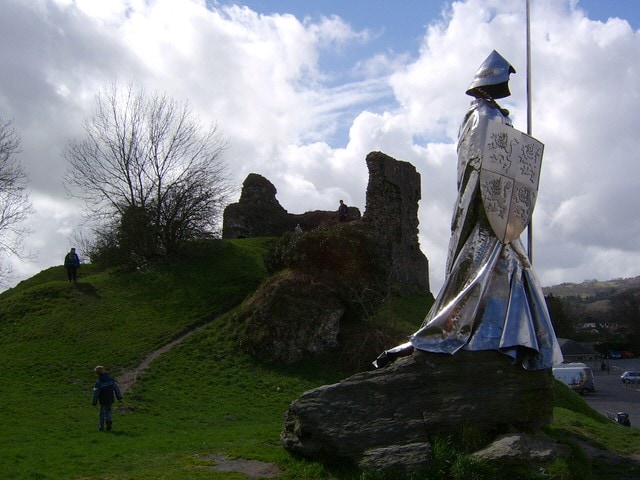
- ›Llandovery Castle was the site of Llywelyn ap Gruffydd Fychan's execution in the market place.
- ›A 16-foot-high statue commemorates Llywelyn ap Gruffydd Fychan, unveiled in 2001.
- ›The town's name is also associated with the "Llandovery epoch," the earliest part of the Silurian period in geological time.
- ›Two medieval churches, St Dingat's (14th century) and St Mary's (12th century), are located in the town.
Norman, Italianate, Medieval
Llandovery Castle Remains, St Dingat's Church, St Mary's Church, Llandovery Town Hall, Llandovery College, Llandovery Theatre, Llandovery Heritage Centre, Statue of Llywelyn Ap Gruffydd Fychan
Llanymddyfri
Llywelyn Ap Gruffydd Fychan, Twm SiôN Cati, Rhys Prichard, William Williams Pantycelyn, Josiah Rees, David Jones, William Hallowes Miller, Rice Rees, William Saunders, John Jones, John Davies, Major Sir David Hughes-Morgan, Aneurin Rees, Edward John Lewis, Conway Rees, Carwyn Davies, Emyr Phillips, Wyn Jones, Sir Roderick Impey Murchison
- Construction of Roman Fort Alabum
- Construction of Norman Llandovery Castle
- Capture of Llandovery Castle By Welsh Forces
- King Henry Iv's Visit and Llywelyn Ap Gruffydd Fychan's Execution
- Attack By Owain GlyndŵR's Forces
- Establishment of the Bank of the Black Ox
- Reformation of the Borough
- Split of Llandingat Parish
- Abolition of the Borough
About Llandovery
Llandovery is a historic market town located in Carmarthenshire, Wales, nestled along the River Tywi. Its name, derived from the Welsh "Llan ymlith y dyfroedd," signifies its position "amid the waters," between the Tywi and the Afon Brân.
History and Legacy
The strategic location of Llandovery has shaped its history. Evidence of Roman presence includes the fort known as Alabum, established around AD 50–60 as part of the Roman conquest of Wales. The town is dominated by the remains of Llandovery Castle, a Norman fortification built in 1110. This castle frequently changed hands between Welsh and Norman forces and played a role in significant events, including the execution of Llywelyn ap Gruffydd Fychan during King Henry IV's reign.
Llandovery is also recognized for its connection to geological time, with the "Llandovery epoch" of the Silurian period named after the area due to rocks of that age found there. The town features two notable medieval churches: the 14th-century St Dingat's, believed to be on a site of continuous religious use since pre-Norman times, and the 12th-century St Mary's.
Cultural and Architectural Features
Modern Llandovery includes amenities such as a theatre, a heritage centre, and Llandovery College. The Town Hall, built in 1857–1858 by Richard Kyke Penson, exemplifies Italianate architecture with its courtroom and market space. A prominent 16-foot-high stainless-steel statue of Llywelyn ap Gruffydd Fychan stands in the town, commemorating his execution on the spot 600 years prior. The town has also been home to notable figures, including the folkloric outlaw Twm Siôn Cati and the influential hymnist William Williams Pantycelyn.
Source: Wikipedia ↗
Frequently Asked Questions
What does the name Llandovery mean?
The name "Llandovery" comes from the Welsh "Llan ymlith y dyfroedd," which translates to "church enclosure amid the waters." This refers to its location between the Rivers Tywi and Afon Brân.
What historical structures can be found in Llandovery?
Llandovery boasts the remains of a Norman castle, originally constructed in 1110. Additionally, there are two medieval churches: St Dingat's, dating from the 14th century, and St Mary's, from the 12th century.
Is Llandovery of any geological significance?
Yes, the town lends its name to the "Llandovery epoch," which is the earliest period within the Silurian period of geological time. This designation arose from geological work conducted in the area.
What notable historical figures are associated with Llandovery?
Llandovery is linked to figures such as Twm Siôn Cati, a 16th-century folkloric character, and William Williams Pantycelyn, a highly regarded 18th-century hymnist. The town also saw the execution of Llywelyn ap Gruffydd Fychan.
What is the architectural style of Llandovery Town Hall?
Llandovery Town Hall, built between 1857 and 1858, was designed in the Italianate style by architect Richard Kyke Penson. It features a courtroom above an open market area.
Related Monasteries

Telfs
Telfs is a market town located in the district of Innsbruck-Land, within the Austrian state of Tyrol. As the third-largest municipality in Tyrol, it received its market town status in 1908 and operates its own district court. The town is situated approximately 27 kilometers west of Innsbruck.

Aberconwy Abbey
Aberconwy Abbey was a significant Cistercian monastery, initially founded near Caernarfon in 1186 before moving to Conwy. It rose to prominence as the most important abbey in North Wales during the 13th century, largely due to the patronage of Llywelyn the Great, who was buried there. The abbey was later forcibly relocated by King Edward I to Maenan to make way for Conwy Castle and was eventually suppressed in 1537.
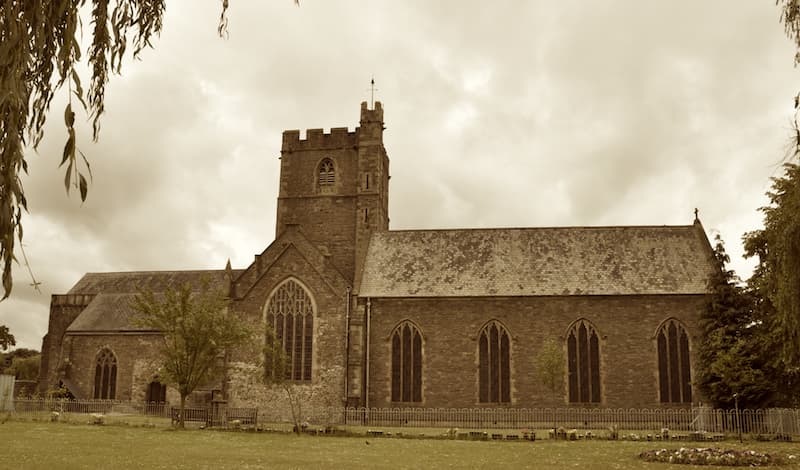
Abergavenny Priory
The Priory Church of St Mary, Abergavenny, is a significant parish church in Monmouthshire, Wales, often referred to as "the Westminster Abbey of Wales" due to its size and collection of high-status tombs. Originally established as a Benedictine priory in the late 11th century, it became a parish church after the Dissolution of the Monasteries. The church is renowned for its numerous medieval effigies and notable architectural features, including 15th-century choir stalls and a unique 15th-century wooden carving known as "The Jesse."