
Krupa Monastery
Serbian Orthodox·Croatia·Active (under reconstruction)·17th century
Krupa Monastery is a 17th-century Serbian Orthodox monastery situated on the Krupa river in Croatia, recognized as one of the oldest Eastern Orthodox monasteries in the region. Despite folk traditions suggesting earlier foundations, its current structure, including Gothic-style windows, points to a probable construction around 1642 by immigrating monks. The monastery has been a site of artistic creation and intellectual activity, housing significant frescoes, icons, and serving as a residence for notable Serbian writers and educators.
Key Facts
- ›Located on the southern slopes of the Velebit mountain in Croatia.
- ›Its church is dedicated to the Feast of the Dormition of Theotokos.
- ›Features beautiful frescoes, a valuable collection of icons, and rare books.
- ›Has been a residence for prominent Serbian figures like Dositej Obradović and Simo Matavulj.
- ›Sustained significant damage during World War II and the Croatian War of Independence.
- ›Undergoing partial reconstruction and renovation since 2000.

Gothic
Frescoes, Icons, Iconostasis, Collection of Old Books, Small Additional Church
Manastir Krupa
Saint Angelina of Serbia, Ioannis Apakas, Georgije Mitrofanović, Dositej Obradović, Simo Matavulj, Gerasim Zelić, Bishop Simeon KončArević
- Renovated By King Stefan DečAnski and Emperor DušAn
- Endowed By Saint Angelina of Serbia
- Painting of Throne Icons By Ioannis Apakas
- Painting of Walls By Georgije Mitrofanović
- Residence of Dositej Obradović
- Residence and Education of Simo Matavulj
- Residence of Gerasim Zelić
- Complete Renovation
- Konaks Burnt By UstašE During World War Ii
- Interior Destroyed and Used As Military Post By UstašE During World War Ii
- Construction of Large Belfry Began
- Treasury Displaced During Croatian War of Independence
- Sustained Damage During Operation Storm
- Belfry, Bells, and Chapel Damaged During Operation Storm
- Interior Looted and Partially Demolished During Operation Storm
- Partial Reconstruction Began
- Construction and Painting of Small Additional Church
- Partial Adaptation of Unfinished Belfry
- Return of Some Artefacts
- Government of the Republic of Croatia Contributed To Renovation
About Krupa Monastery
Krupa Monastery is a significant 17th-century Serbian Orthodox monastery located in Croatia, recognized as one of the oldest Eastern Orthodox monastic establishments in the region. While folk traditions suggest earlier founding dates and patronage by Serbian royalty and Saint Angelina of Serbia, architectural evidence, particularly the presence of Gothic-style windows, points to its probable construction by immigrating monks around 1642. The monastery's church is dedicated to the Feast of the Dormition of Theotokos and is adorned with beautiful frescoes, a valuable collection of icons, and a collection of centuries-old books.
Historical Context and Significance
Over its history, Krupa Monastery has been a center for artistic and intellectual endeavors. Cretan priest Ioannis Apakas painted notable "throne icons" for its iconostasis around 1600, and Georgije Mitrofanović adorned its walls with frescoes between 1620 and 1622. The monastery also served as a residence and place of work for prominent Serbian figures such as the writer and educator Dositej Obradović in the 1760s, and the major realist author Simo Matavulj, who received his education there in the 1860s. The monastery underwent a complete renovation in 1855.
Challenges and Reconstruction
Krupa Monastery has faced severe challenges throughout the 20th century. During World War II, the surrounding buildings were destroyed by the Ustaše, who also desecrated the monastery's interior for military use. More recently, the Croatian War of Independence in 1991 led to the displacement of the monastery's treasury and significant damage during Operation Storm, including the destruction of its belfry, bells, and chapel, alongside looting and partial demolition of its interior. Since 2000, a process of partial reconstruction has been underway, involving the construction of an additional church and adaptation of the unfinished belfry, with contributions from the government of the Republic of Croatia in more recent years.
Source: Wikipedia ↗
Frequently Asked Questions
When was Krupa Monastery founded?
While folk tradition suggests an earlier founding in 1317, the presence of Gothic-style windows, uncommon in the Orthodox Church, leads historical suggestions to a probable construction date around 1642 by immigrating monks. The monastery was renovated in 1855 and has undergone partial reconstruction since 2000.
Where is Krupa Monastery located?
Krupa Monastery is situated on the southern slopes of the Velebit mountain in Croatia. It lies geographically halfway between the towns of Obrovac and Knin.
What are the notable artistic and historical features of Krupa Monastery?
The monastery is known for its beautiful frescoes, a valuable collection of icons, parts of its iconostasis, and a collection of centuries-old books. Notable Serbian writers and educators, such as Dositej Obradović and Simo Matavulj, lived and worked there.
Has Krupa Monastery faced destruction or damage?
Yes, Krupa Monastery has endured significant damage. The surrounding buildings were burned during World War II, and the interior was destroyed by the Ustaše. During the Croatian War of Independence, the monastery sustained damage, including to its belfry and chapel, and its treasury was displaced.
Is Krupa Monastery currently active and open to visitors?
The monastery has been undergoing partial reconstruction and renovation since 2000, with contributions from the Croatian government. While historical accounts mention its displacement of treasures and exile of priests during conflicts, efforts are ongoing for its restoration.
Related Monasteries
Gomirje Monastery
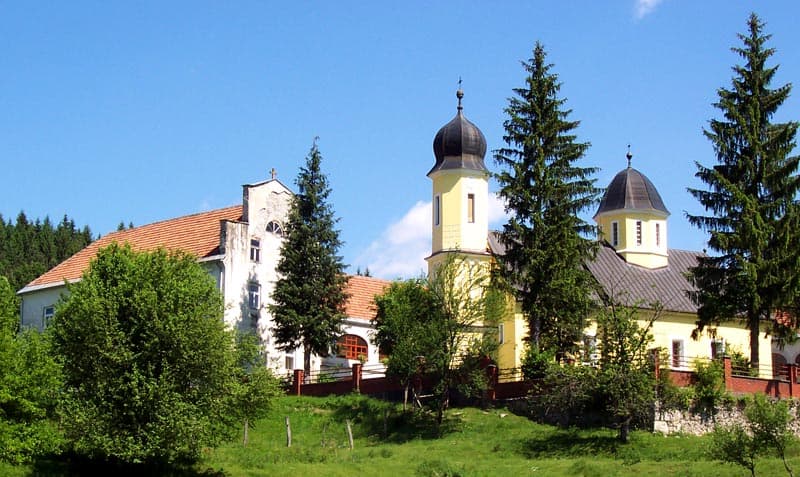
Gomirje Monastery is the westernmost Serbian Orthodox monastery, located in Croatia near the village of Gomirje. Founded around 1600, it has a history marked by struggles for land rights, resistance to Uniatism, and devastation during wartime. The monastery complex includes a stone church built in the 18th century and has undergone periods of rebuilding and reopening.

Dalmatinska Lazarica Monastery
The Holy Lazarica Monastery, also known as Dalmatinska Lazarica, is a Serbian Orthodox monastery located near Knin, Croatia. Construction began in 1874 and was completed in 1889. The monastery is dedicated to Prince Lazar of Serbia, a significant figure in Serbian history.
Dragović Monastery
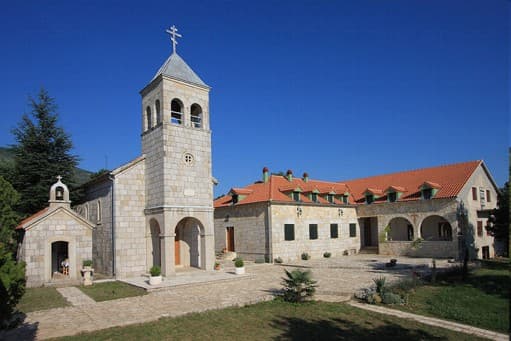
Dragović Monastery is a Serbian Orthodox monastery located near Vrlika in Croatia. Originally founded in the late 14th century, it has been destroyed and rebuilt multiple times throughout its history, most notably after its original site was submerged by the creation of Peruća Lake. Today, it is an active spiritual center for Serbs in Dalmatia, known for its treasury of historical manuscripts and religious artifacts.