
Krka Monastery
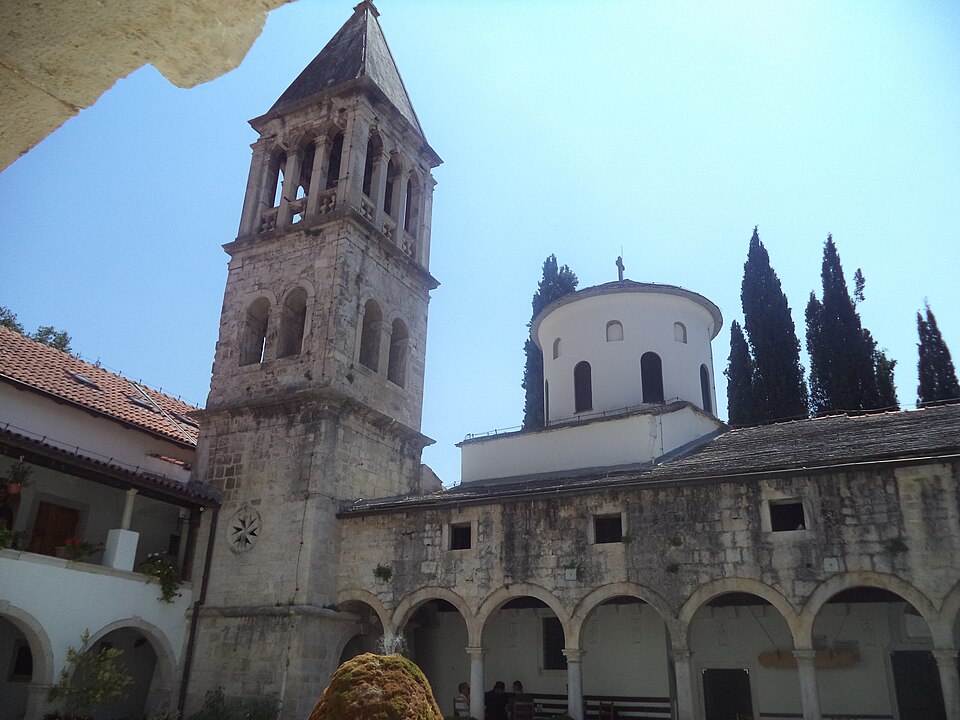
Krka Monastery is a 16th-century Serbian Orthodox monastery in Dalmatia, Croatia, dedicated to the Archangel Michael. It is notable for its complex history, built on the site of earlier Roman and medieval Catholic structures, and has undergone significant rebuilding over centuries. The monastery is an important religious and cultural center for the Serbian Orthodox Church in Croatia and is officially protected within Krka National Park.
Key Facts
- ›Established around 1577, with construction phases dating back to the late medieval period.
- ›Located near the Krka River in central Dalmatia, Croatia.
- ›Dedicated to the Archangel Michael.
- ›Built on the foundations of an Ancient Roman site and a previous Gothic-Romanesque Catholic church.
- ›Officially protected as part of the Krka National Park.
- ›Houses archives and a library with valuable historical items and icons.
Romanesque, Gothic, Baroque
Roman Burial Catacombs, Romanesque Belfry, Gothic Window, Chapel of Saint Sava, Archives, Library, Icon Collection
Manastir Krka, Samostan Krka
Jelena Nemanjić šUbić, Mladen Iii šUbić Bribirski, Nikodim Milaš, Pahomije, Epifanije Stefanović, Nikador Bogunović, Lazo LazarićEvić, Jerotije KovačEvić, Stefan KnežEvić
- Built On Ancient Roman Site and Previous Catholic Church.
- Attacked and Plundered By Ottomans In 1647.
- Rebuilt Around 1787.
- Site of Annual Gatherings By Serbs and Croats From the 1960s.
- Looted In 1995 During the Croatian War of Independence.
About Krka Monastery
Krka Monastery is a significant 16th-century Serbian Orthodox monastery located in central Dalmatia, Croatia, near the river Krka and the town of Kistanje. Dedicated to the Archangel Michael, it stands as a prominent religious and cultural landmark for the Serbian Orthodox Church within Croatia. The monastery's history is marked by extensive rebuilding and layers of past civilizations, with its foundations resting upon an Ancient Roman site and incorporating elements of a preceding Gothic-Romanesque Catholic church.
History and Construction
The earliest evidence suggests the site was occupied in the late medieval period, possibly housing a Catholic church or monastery around the 14th century. Archaeological findings, including Roman burial catacombs, a Romanesque belfry, and Gothic window fragments, point to a rich historical past predating the Orthodox monastery. The church itself underwent three major construction phases, with the current monastery buildings largely constructed from the second half of the 16th century onwards, followed by numerous additions and upgrades until the late 20th century.
While folk traditions and later historical claims have suggested earlier foundations, including a 14th-century endowment by Serbian princess Jelena Nemanjić Šubić, modern scholarship indicates these are unsubstantiated, likely originating in the late 19th century. The earliest verified mention of a Christian church or monastery at the site dates to 1458. The establishment of the Eastern Orthodox monastery is most reliably dated to the 1570s, with construction activity documented from the early 17th century.
Resilience and Modern Era
Krka Monastery has weathered periods of conflict and abandonment. During the Cretan War in 1647, its clergy became anti-Ottoman, and the monastery was attacked and plundered by Ottoman forces, leading to its temporary desertion. It was later rebuilt around 1787 and underwent extensive renovations between the 18th and 20th centuries, shaping its present appearance. In the latter half of the 20th century, it became a site for inter-ethnic gatherings, but the Croatian War of Independence in the 1990s saw it looted and its seminary relocated. Monks returned in 1999, and the seminary reopened in 2001, signifying the monastery's continued spiritual and educational role.
Architectural and Cultural Significance
The architectural ensemble features a Romanesque belltower, with other 18th–19th-century buildings arranged around a rectangular cloister. The complex includes a 19th-century chapel of Saint Sava, a seminary building, and dormitories. Krka Monastery's archives and library are repositories of valuable historical documents, ancient books, icons from the 15th to 18th centuries, silverware, and embroideries, though a portion of these collections was moved to Serbia in the 1990s. Officially protected as part of Krka National Park, the monastery is a vital cultural heritage site.
Source: Wikipedia ↗
Frequently Asked Questions
When was Krka Monastery founded?
The exact founding date of Krka Monastery is not precisely known, but it was most probably established around 1577. Earlier construction phases on the site date back to the late medieval period, with evidence of Roman and 14th-century structures.
What is the religious tradition of Krka Monastery?
Krka Monastery belongs to the Serbian Orthodox tradition. It is considered the best-known monastery of the Serbian Orthodox Church in Croatia.
What historical periods are represented in Krka Monastery's architecture?
The monastery's architecture reflects multiple historical periods. It incorporates elements from an Ancient Roman site, a previous Gothic-Romanesque Catholic church, and significant rebuilding phases from the 16th century onwards, particularly in the 18th and 19th centuries.
Is Krka Monastery part of a national park?
Yes, Krka Monastery is officially protected and is part of the Krka National Park in Croatia. This designation highlights its natural and cultural significance.
What notable items are housed in Krka Monastery?
The monastery possesses archives and a library containing a variety of ancient books and valuable items dating from the 14th to the 20th century. It also holds a collection of icons, silverware, and embroideries.
Has the monastery faced any significant historical events?
Krka Monastery was attacked and plundered by the Ottomans in 1647, leading to its temporary abandonment. In 1995, during the Croatian War of Independence, the monastery was looted but protected by police, and its seminary was relocated.
Related Monasteries
Lepavina Monastery
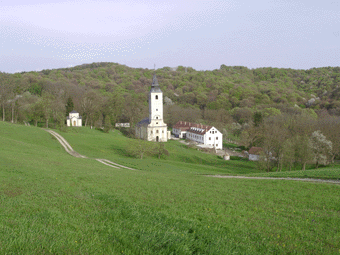
Lepavina Monastery is a Serbian Orthodox monastery located in Croatia, dedicated to the Presentation of the Theotokos. Founded around 1550, it has a complex history marked by destruction, rebuilding, and significant roles in the religious and cultural life of Serbs in the region. It is particularly renowned for its wonder-working icon of the Mother of God, making it a major pilgrimage site.

Dalmatinska Lazarica Monastery
The Holy Lazarica Monastery, also known as Dalmatinska Lazarica, is a Serbian Orthodox monastery located near Knin, Croatia. Construction began in 1874 and was completed in 1889. The monastery is dedicated to Prince Lazar of Serbia, a significant figure in Serbian history.
Dragović Monastery
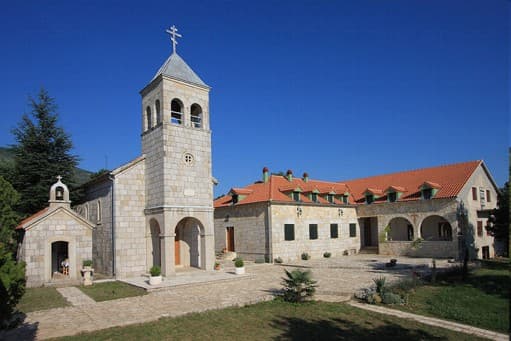
Dragović Monastery is a Serbian Orthodox monastery located near Vrlika in Croatia. Originally founded in the late 14th century, it has been destroyed and rebuilt multiple times throughout its history, most notably after its original site was submerged by the creation of Peruća Lake. Today, it is an active spiritual center for Serbs in Dalmatia, known for its treasury of historical manuscripts and religious artifacts.