
Ilmbach Charterhouse
Christian·Germany·Former monastery (ruins/relocated structure)·15th century
Ilmbach Charterhouse, also known as Mariengarten Charterhouse, was a former Carthusian monastery located in Prichsenstadt, Bavaria, Germany. Founded in 1453, it endured destruction during the Peasants' War and was dissolved in 1803 during the secularization of Bavaria. Today, only its 17th-century sandstone entrance gateway remains, relocated to a farm near Bamberg.
Key Facts
- ›Founded in 1453 by Balthasar Fere vom Berge and his wife Magdalena von Vestenberg.
- ›Dedicated to our Lady.
- ›Destroyed by fire in 1525 during the Peasants' War, rebuilt within two years.
- ›Dissolved in 1803 due to Bavarian secularization.
- ›The only surviving structure is a 17th-century sandstone entrance gateway, now located in Gräfenneuses.
- ›The site of the former charterhouse was later used for a hunting lodge.

Baroque
17th-Century Sandstone Entrance Gateway
Mariengarten Charterhouse, Kloster Ilmbach, Kartause Ilmbach, Kartause Mariengarten
Balthasar Fere Vom Berge, Magdalena Von Vestenberg
Founded In 1453, Burnt Down During the Peasants' War In 1525, Rebuilt Within Two Years, Dissolved In 1803
About Ilmbach Charterhouse
Ilmbach Charterhouse, also known by its Latinized name Mariengarten Charterhouse, was a significant Carthusian monastery situated in Prichsenstadt, within the region of Bavaria, Germany. The monastery's establishment in 1453 was made possible by the patronage of the knight Balthasar Fere vom Berge and his wife Magdalena von Vestenberg, who dedicated it to Our Lady.
History and Development
The early history of Ilmbach Charterhouse was marked by resilience. In 1525, it suffered destruction by fire during the turbulent Peasants' War. However, demonstrating the community's resolve and the support of the Bishop of Würzburg, the charterhouse was rebuilt and reoccupied within a mere two years. This period of rebuilding underscored the monastery's importance in the region.
Dissolution and Legacy
The monastery's operational life concluded in 1803 with the secularization of Bavaria, a widespread policy that led to the dissolution of many religious institutions. Following its dissolution, the property was acquired by Baron Friedel, who initiated industrial activities by establishing a cheese factory and a sugar factory on the premises. While historical records indicate that remains of the monastery church were still present in 1836, these have since disappeared. A hunting lodge was later constructed on the site of the former charterhouse. The sole surviving physical remnant of Ilmbach Charterhouse is its main entrance gateway. This impressive sandstone structure dates from the 17th century and was relocated by a local farmer to his farm in Gräfenneuses, near Bamberg, where it stands today as a testament to the monastery's past.
Source: Wikipedia ↗
Frequently Asked Questions
When was Ilmbach Charterhouse founded?
Ilmbach Charterhouse was founded in 1453. Its establishment marked the beginning of its history as a monastic institution.
What happened to Ilmbach Charterhouse?
The monastery was dissolved in 1803 during the secularization of Bavaria. Subsequently, the property was repurposed for industrial use and later for a hunting lodge.
Are there any original buildings left from Ilmbach Charterhouse?
The only surviving structural element from the original monastery is the main entrance gateway, constructed of sandstone in the 17th century. It was moved from its original location to a farm in Gräfenneuses.
What was the purpose of Ilmbach Charterhouse?
Ilmbach Charterhouse was a Carthusian monastery, a religious community following the Carthusian rule. It was dedicated to Our Lady.
Related Monasteries

Astheim Charterhouse
Astheim Charterhouse, also known as Marienbrück Charterhouse, was a Carthusian monastery founded in 1409 near Volkach, Bavaria. Established by Erkinger von Seinsheim, it served as a family burial site for centuries and was settled by monks from Cologne Charterhouse. Dissolved in 1803 during the secularization of Bavaria, its surviving structures now house the archives of Volkach and the Kartausenmuseum Astheim, dedicated to Christian graphic art.
Vogelsang Charterhouse
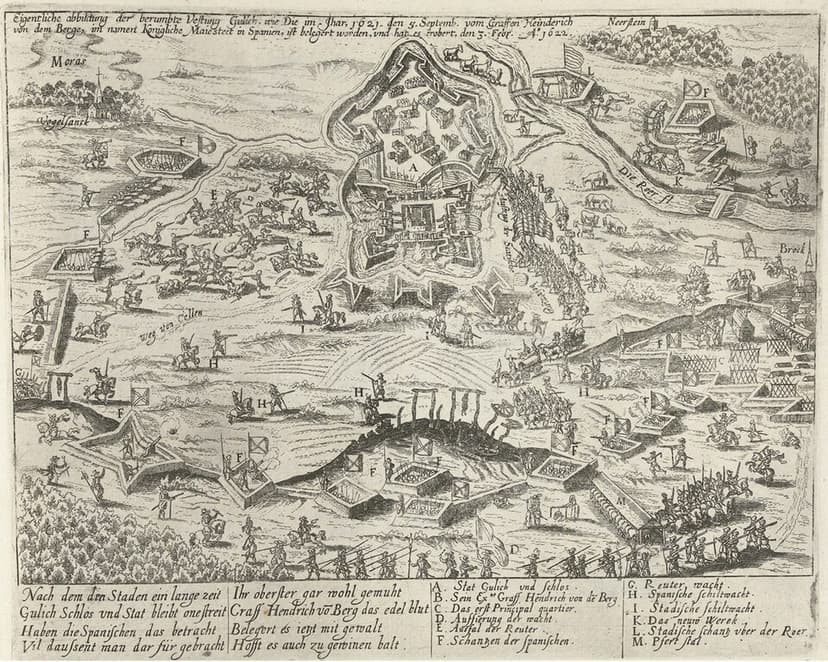
Vogelsang Charterhouse was a Carthusian monastery located near Jülich, Germany, founded in 1478. It was dedicated to the compassion of Mary and, despite facing periods of destruction and economic hardship, experienced a golden age of prosperity in the late 17th century. The charterhouse was secularised in 1802, with its lands and buildings subsequently sold and largely demolished.

Xanten Charterhouse
Xanten Charterhouse was a former Carthusian monastery established in 1417, initially near Wesel before relocating to Xanten in 1628. It operated until 1802 when it was suppressed during Napoleonic secularization. Today, the former monastery buildings serve dual purposes, housing the town library in the upper levels and a bar and restaurant on the ground floor.