
Handale Priory
Handale Priory was a Cistercian nunnery located in Handale, North Yorkshire, England. Founded in 1133 by William, son of Roger de Percy, it operated for over four centuries before its dissolution in 1539. Today, remnants of the priory include a surviving fishpond and an 18th-century farmhouse that may contain original priory materials.
Key Facts
- ›Founded in 1133 by William, son of Roger de Percy.
- ›Belonged to the Cistercian order of nuns.
- ›Located in Handale, North Yorkshire, England.
- ›Dissolved in 1539 as part of the English Reformation.
- ›A fishpond from the priory period still exists.
- ›An 18th-century farmhouse on the site might incorporate original priory structures.
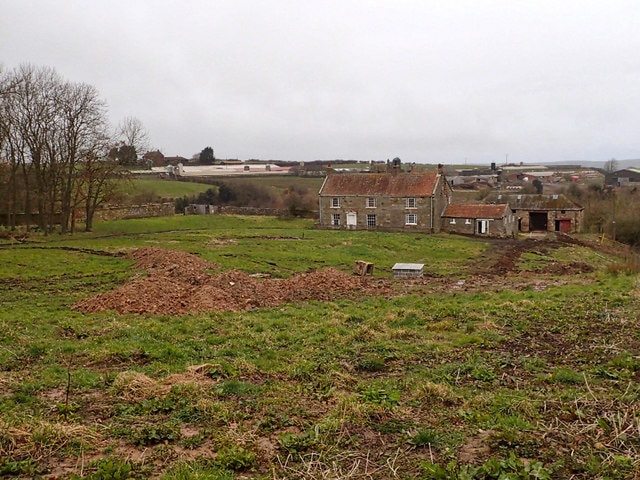
Fishpond, 18th-Century Farmhouse
Grendale
William, Son of Roger De Percy
Dissolution of the Monasteries
About Handale Priory
Handale Priory was a monastic institution for Cistercian nuns situated in Handale, within the historical county of Yorkshire, England. Its establishment dates to 1133, with its founding attributed to William, son of Roger de Percy. The priory served its religious purpose for over four centuries before its operational life concluded with its dissolution in 1539, a significant event during the English Reformation.
While the priory itself no longer stands in its complete form, evidence of its past existence remains. A fishpond from the medieval period has survived, offering a tangible connection to the priory's daily life and resource management. Furthermore, an 18th-century farmhouse now occupies the site, and historical accounts suggest that this modern structure may incorporate elements of the original priory buildings, hinting at the continuity of human settlement and adaptation on the land. The priory's history is primarily defined by its foundation, its dedication to the Cistercian way of life for women, and its eventual dissolution under royal decree.
Key Information
- Founded: 1133
- Order: Cistercian nuns
- Location: Handale, North Yorkshire, England
- Dissolved: 1539
- Founder: William, son of Roger de Percy
Source: Wikipedia ↗
Frequently Asked Questions
When was Handale Priory founded?
Handale Priory was founded in the year 1133. The founding was initiated by William, the son of Roger de Percy.
What religious order was Handale Priory part of?
Handale Priory was a priory for Cistercian nuns. The Cistercian order is a branch of the Catholic Church known for its emphasis on monastic life and austerity.
What happened to Handale Priory?
Handale Priory was dissolved in 1539. This dissolution was part of a wider policy enacted by King Henry VIII during the English Reformation.
Are there any surviving structures from Handale Priory?
Yes, a fishpond dating from the priory's operational period still survives. Additionally, an 18th-century farmhouse built on the site may incorporate parts of the original priory buildings.
Related Monasteries

Dale (Stanley Park) Abbey
Dale Abbey, also known as the Abbey of Stanley Park, was a Premonstratensian monastery located near Ilkeston in Derbyshire. Its origins are steeped in legend, with accounts of hermits and visions, but it was officially constituted as an abbey in 1204. Despite periods of varying discipline and reputation, it played a role in English Premonstratensian houses before its dissolution in 1538.
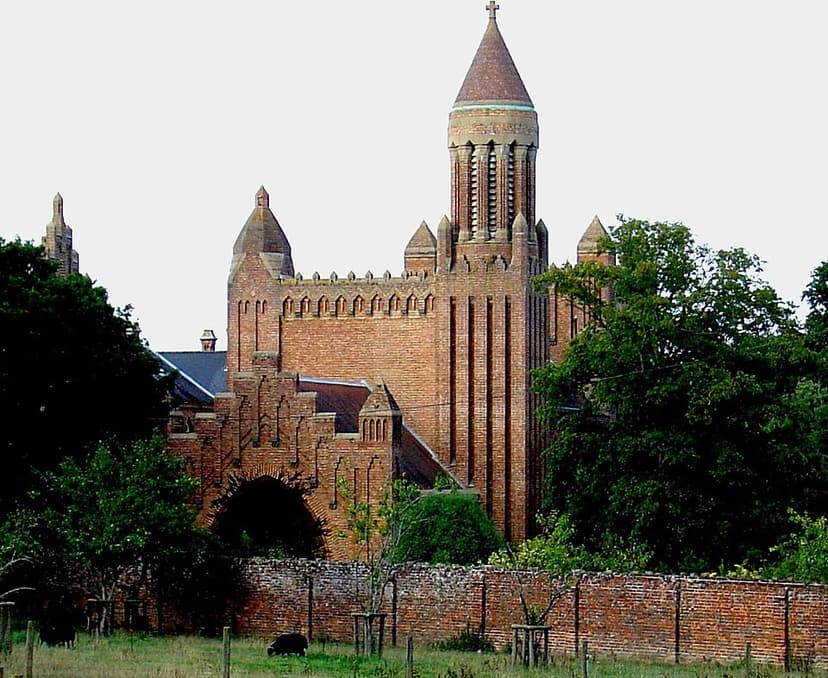
Quarr Abbey
Quarr Abbey is a Benedictine monastery on the Isle of Wight, England, known for its significant twentieth-century religious architecture. Originally a twelfth-century Cistercian abbey, the site was dissolved and later re-established by Benedictine monks exiled from France. The current monastic buildings, completed in 1912, are recognized for their unique architectural style and have undergone conservation efforts to preserve their heritage.

Antvorskov
Antvorskov Monastery was the principal Scandinavian headquarters of the Catholic Order of Saint John of Jerusalem, established in 1165 by King Valdemar the Great. It played a significant role as a major landowner in Denmark and a center for charitable activities, particularly for pilgrims and the sick. Following the Reformation, it transitioned into a royal residence and was later dismantled, with its materials repurposed and its lands sold off, leaving behind ruins that later became a subject of archaeological interest.