
Grosmont Priory
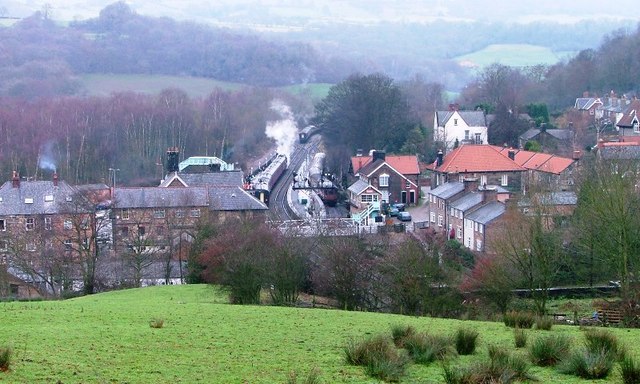
Grosmont Priory was a Grandmontine religious house founded in the 12th century in Eskdale, England. It was one of three such houses in the country and experienced a significant fire in 1360 before its eventual closure during the dissolution of the monasteries in the 1530s. The priory's site is now part of a village that experienced considerable industrial growth in the 19th century.
Key Facts
- ›Established in the 12th century, around 1200.
- ›One of only three Grandmontine priories in England.
- ›Suffered a major fire in 1360.
- ›Closed during the dissolution of the monasteries in the 1530s.
- ›Had four priors and a net income of £12 2s 8d at the time of dissolution.
- ›Buildings included a church with a bell tower, chapter house, kitchen, and lodgings.
- Site of A 15th/16th Century Ironworking Site Nearby
- Located On the Banks of the River Esk
Growmond
Joan Fossard, John Hewitt
Fire Destroyed Most of the Priory In 1360, Dissolution of the Monasteries In the 1530s
About Grosmont Priory
Grosmont Priory was a significant religious institution in England, belonging to the Grandmontine order. Founded around the turn of the 13th century, it was one of only three Grandmontine houses established within the country. The priory was situated in Eskdale, on the banks of the River Esk, an area that would later see substantial industrial development.
History and Significance
The priory's history is marked by periods of both construction and destruction. A major setback occurred in 1360 when a fire devastated a large part of the monastic buildings. Despite this, it continued to function for some time. By 1394, the Abbot of Grandimont had gained permission to sell the priory, and it was subsequently acquired by John Hewitt. Grosmont Priory ultimately ceased to exist as a religious house during the dissolution of the monasteries in the 1530s. Historical records indicate that at the time of its dissolution, the priory housed four priors and had a net annual income of £12 2s 8d. The surviving architectural descriptions mention a church with a bell tower, a chapter house, a kitchen, and lodgings.
While the priory itself is now in ruins, its historical presence is notable. The surrounding area, now known as Grosmont village, experienced significant growth during the Industrial Revolution, particularly with the development of railways and iron ore extraction. Evidence also suggests earlier ironworking activities in the vicinity of the priory, dating back to the 15th and 16th centuries.
Source: Wikipedia ↗
Frequently Asked Questions
When was Grosmont Priory founded?
Grosmont Priory was established in the 12th century, with specific historical accounts placing its founding around the year 1200. This was a period of significant monastic development in England.
What religious order was Grosmont Priory part of?
Grosmont Priory belonged to the Grandmontine order, a monastic community that originated in France. It was one of only three such houses established in England.
What happened to Grosmont Priory?
The priory was significantly damaged by a fire in 1360. It continued to operate until it was dissolved in the 1530s, a widespread event that saw many monastic institutions across England cease to exist.
What was the financial status of Grosmont Priory at its closure?
At the time of the dissolution of the monasteries in the 1530s, Grosmont Priory had a net annual income of £12 2s 8d. It was also noted to have four priors at that time.
What buildings were part of Grosmont Priory?
The priory complex included a church that featured a bell tower, a chapter house, a kitchen, and lodgings for its residents. These structures were located on the banks of the River Esk.
Related Monasteries
Aldgate Priory
Holy Trinity Priory, also known as Christchurch Aldgate, was an Augustinian priory founded around 1108 by Queen Matilda of Scotland near Aldgate in London. It held significant ties to English royalty, with several queens maintaining a close relationship with the priory and some royal children buried there. The priory was a center of learning in the 12th century and played a role in civic life, with its prior serving as an Alderman of London. It was dissolved in 1532 and its buildings have since been largely lost, with only remnants surviving.

Ankerwycke Priory
Ankerwycke Priory was a small and relatively poor Benedictine nunnery established around 1160 in Buckinghamshire, England. Dedicated to St. Mary Magdalene, it held lands across several counties. Dissolved in 1536, its revenues were transferred to Bisham Abbey, and the priory site later saw the construction of a manor house. Today, only a small section of ruins remains, situated in Berkshire.

Arthington Priory
Arthington Priory was an English monastery for nuns of the Cluniac congregation, located in Arthington, West Yorkshire, and founded in the mid-12th century. It was one of only two Cluniac nunneries in England. The priory experienced periods of disciplinary issues among its nuns and prioresses, as documented by Archbishop William Greenfield's visits and injunctions. Following the Dissolution of the Monasteries under Henry VIII, the priory was surrendered in 1540, and its lands were eventually granted to Archbishop Thomas Cranmer. Today, little remains of the original priory structures, with a residence known as Arthington Hall built on the site around 1585, and the priory church potentially occupied by a farmhouse named The Nunnery.