
Grace Dieu Abbey
Grace Dieu Abbey was a small Cistercian monastery established in 1226 near Monmouth in southeast Wales, making it the last Cistercian foundation in the region. Despite being dedicated to the Virgin Mary and receiving royal grants, the abbey was consistently poor and faced significant challenges, including attacks and relocations. It was dissolved in 1536 under the Act of Suppression, and today, no visible remains of its buildings can be seen above ground.
Key Facts
- ›It was the last Cistercian foundation in Wales.
- ›Founded in 1226 with a community from Dore Abbey.
- ›Dedicated to the Virgin Mary.
- ›Suffered attacks and was relocated at least once.
- ›Always a poor abbey.
- ›Dissolved in 1536.
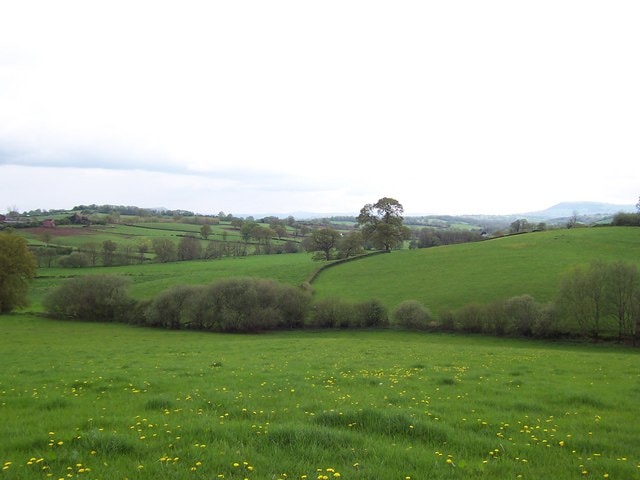
- Wyesham Grange
- Grant of Trees From Grosmont Forest and Seinfremy Wood
- Use of Chantry Chapel In Monmouth Castle
John of Monmouth
Attack By the Welsh, Razing of the Abbey, Relocation of the Abbey, Dissolution Under the Act of Suppression
About Grace Dieu Abbey
Grace Dieu Abbey was a small Cistercian monastery founded in 1226 near Monmouth in southeast Wales. It holds the distinction of being the last Cistercian foundation established in the region. The abbey was dedicated to the Virgin Mary, and its founding community was sent from its mother house, Dore Abbey, in Herefordshire.
Despite its religious significance, Grace Dieu Abbey was consistently marked by poverty and faced considerable adversity. Its early history was fraught with conflict, including an attack by the Welsh in 1232 and the subsequent razing of the abbey the following year. These events necessitated a relocation from its original site in 1236, with further considerations for moving in 1276.
Throughout its existence, the abbey received some support, such as grants of trees from royal forests and permission to use the chantry chapel in Monmouth Castle. However, its financial struggles persisted, with an estimated net income of only £18 5s 8d around 1291. The abbey's operational history concluded in 1536 when it was dissolved under the Act of Suppression. Today, no visible remains of Grace Dieu Abbey's buildings can be seen above ground.
Key Facts
- Founding: Established in 1226, making it the last Cistercian foundation in Wales.
- Dedication: Dedicated to the Virgin Mary.
- Mother House: A founding community was provided by Dore Abbey.
- Challenges: Suffered attacks and relocations due to conflict.
- Economic Status: Consistently characterized as a poor abbey.
- Dissolution: Dissolved in 1536.
Historical Context
The establishment of Grace Dieu Abbey was initiated by John of Monmouth, who sought permission in 1217. The formal foundation and the arrival of its initial monastic community occurred in 1226. The abbey's location, initially on the west bank of the River Trothy near Monmouth, proved vulnerable. The attacks and subsequent rebuilding underscore the turbulent historical period in which it operated.
Dissolution and Legacy
The dissolution of the monasteries under Henry VIII marked the end of Grace Dieu Abbey's religious life in 1536. The abbey's landholdings, including a grange known as Wyesham Grange or Beaulieu Grange east of Monmouth, were absorbed into the Crown's estates. While the physical structures have vanished, the abbey's existence represents a chapter in the monastic history of Wales and the Cistercian order's presence in the region.
Source: Wikipedia ↗
Frequently Asked Questions
When was Grace Dieu Abbey founded?
Grace Dieu Abbey was founded in 1226. The request to establish it was made by John of Monmouth in 1217, and a founding community was sent from its mother house, Dore Abbey, in that year.
Where was Grace Dieu Abbey located?
The abbey was originally established near Monmouth in southeast Wales, on the west bank of the River Trothy. It was later relocated and its final site is uncertain, though investigations point to a field on the east side of the Trothy.
What happened to Grace Dieu Abbey?
Grace Dieu Abbey was dissolved in 1536 under the Act of Suppression. Today, no remains of its buildings are visible above ground.
Was Grace Dieu Abbey a wealthy institution?
No, Grace Dieu Abbey was always a poor abbey. Historical records from around 1291 estimate its net income to be quite modest.
Did Grace Dieu Abbey face any difficulties?
Yes, the abbey faced significant challenges. It was attacked by the Welsh in 1232, razed the following year, and relocated from its original site in 1236. The community sought to relocate again in 1276.
Related Monasteries

Haverfordwest Priory
Haverfordwest Priory was an Augustinian priory located on the banks of the Western Cleddau in Haverfordwest, Pembrokeshire, Wales. Founded around 1200, it was dedicated to St. Mary and St. Thomas the Martyr. Despite challenges with its construction on marshy ground, the priory operated for centuries, owning several churches and chapels. Following its dissolution in the 16th century, much of the site was ruined, though excavations have revealed significant architectural material and a unique medieval garden.

Valle Crucis Abbey
Valle Crucis Abbey, also known as the Abbey Church of the Blessed Virgin Mary, was a Cistercian monastery founded in 1201 by Madog ap Gruffydd Maelor in Denbighshire, north Wales. It served as the spiritual center of the Powys Fadog principality until its dissolution in 1537. Though now a ruin, significant portions of its original structure remain, making it a valuable historical and architectural site under the care of Cadw.

Beddgelert Priory
Beddgelert Priory, officially the Priory and Parish Church of Saint Mary, is situated in Beddgelert, Gwynedd, Wales, on a site with ancient Christian roots dating back to the 6th century. Originally an Augustinian priory founded in the 13th century and supported by Welsh nobility, it suffered destruction by fire in the late 13th century. Following its closure during the dissolution of the monasteries in the 16th century, it transitioned into its current role as a parish church, a function it continues to serve today.