
Gračanica Monastery
Gračanica Monastery is a Serbian Orthodox monastery in Kosovo, built by King Stefan Milutin in 1321. Recognized as a Monument of Culture of Exceptional Importance and a UNESCO World Heritage site, it is celebrated for its Serbo-Byzantine architecture and well-preserved frescoes, particularly those within the narthex depicting the Nemanjić dynasty genealogy. The monastery has endured significant historical events, including damage during Ottoman rule and recent bombings, but continues to operate as an active convent and a vital spiritual and cultural center for the Serbian community in Kosovo.
Key Facts
- ›Built by King Stefan Milutin in 1321, serving as one of his final grand endowments.
- ›Features a unique architectural design with a double inscribed cross plan and five domes.
- ›Houses significant frescoes, including the first known painted genealogy of the Nemanjić dynasty and a detailed Last Judgment scene.
- ›Declared a Monument of Culture of Exceptional Importance in 1990.
- ›Added to the UNESCO World Heritage List in 2006 as part of Medieval Monuments in Kosovo.
- ›Currently operates as a convent with 24 nuns actively engaged in various monastic obediences.

Serbo-Byzantine
Frescoes of the Nemanjić Dynasty Genealogy, Last Judgment Fresco, Royal Portraits, Double Inscribed Cross Architectural Plan
Manastir GračAnica
Stefan Milutin, Queen Simonida, Queen Helen, Metropolitan Nikanor, Metropolitan Dionisije, Patriarch Makarije Sokolović, Patriarch Pajsije, Patriarch Arsenije Iii, Bishop Artemije Radosavljević
Built By King Stefan Milutin, Narthex and Tower Added, Damaged By Ottomans, Suffered Damages During the Battle of Kosovo, Established A Cyrillic Printing Press, Major Restoration and New Frescoes Completed, Suffered Damages During the Great Turkish War, Looted By Albanians During World War Ii, Bombed By Nato
About Gračanica Monastery
Gračanica Monastery is a significant Serbian Orthodox monastery located in Kosovo, renowned for its historical importance, architectural beauty, and artistic treasures. It was constructed in 1321 by King Stefan Milutin, serving as one of his final monumental spiritual endowments. The monastery stands as a testament to the artistic and architectural achievements of the Medieval Serbian era, particularly in the Serbo-Byzantine tradition.
Architectural and Artistic Significance
The church at Gračanica features a distinctive architectural plan, described as a double inscribed cross with a central dome and four smaller domes, creating a striking vertical silhouette. The church was built using alternating courses of brick and stone. Later additions include an exonarthex with double arcades, though these were later blinded.
Internally, the monastery is celebrated for its exceptionally well-preserved frescoes. These paintings, dating from its construction in 1321-1322 and subsequent restorations, showcase a variety of styles and themes. Notable frescoes include portraits of the founders, King Milutin and Queen Simonida, and what is considered the first painted genealogy of the Nemanjić dynasty. The narthex also features an elaborate depiction of the Last Judgment, alongside scenes from the lives of saints and biblical narratives.
Historical Context and Current Status
Gračanica Monastery has a rich and often turbulent history. It was built to replace an earlier cathedral and has been an important ecclesiastical center, with the bishop of Lipljan eventually being granted the title of metropolitan bishop of Lipljan or Gračanica. The monastery has endured periods of damage and looting, particularly during Ottoman rule and later conflicts. Despite these challenges, it has been repeatedly restored and maintained.
In recognition of its cultural and historical value, Gračanica Monastery was declared a Monument of Culture of Exceptional Importance in 1990. In 2006, it was inscribed on the UNESCO World Heritage List as part of the Medieval Monuments in Kosovo. Today, Gračanica Monastery functions as an active convent, housing 24 nuns engaged in various monastic obediences, and continues to serve as a vital spiritual, national, and political center for the Serbian community in Kosovo.
Source: Wikipedia ↗
Frequently Asked Questions
When was Gračanica Monastery built?
Gračanica Monastery was built in 1321 by the Serbian king Stefan Milutin. It replaced an older 13th-century cathedral dedicated to the Holy Virgin that stood on the same site.
What is the architectural style of Gračanica Monastery?
The monastery's church is a prime example of Medieval Serbian art built in the Serbo-Byzantine tradition. Its design features a double inscribed cross with a central dome supported by four pillars, and four smaller domes, creating a unique vertical silhouette.
What are the most notable artworks within the monastery?
The monastery is renowned for its well-preserved frescoes, dating from 1321-1322 and later restorations. Highlights include portraits of the royal founders, the first painted genealogy of the Nemanjić dynasty, and an extensive depiction of the Last Judgment.
Has Gračanica Monastery been recognized by UNESCO?
Yes, Gračanica Monastery was placed on UNESCO's World Heritage List on July 13, 2006. It is listed under the name Medieval Monuments in Kosovo as an extension of the Visoki Dečani site.
What is the current status of Gračanica Monastery?
Gračanica Monastery is an active convent with 24 nuns. It has also become a significant spiritual, national, and political center for the Serb community in Kosovo, especially since the Kosovo War.
What historical challenges has the monastery faced?
The monastery has faced numerous challenges throughout its history, including damage from the Ottomans between 1379-1383, during the Battle of Kosovo in 1389, and at the end of the 17th century during the Great Turkish War. More recently, it was bombed twice by NATO in 1999.
Related Monasteries

Visoki Dečani Monastery
The Visoki Dečani Monastery is a significant medieval Serbian Orthodox Christian monastery located in Kosovo, founded in the first half of the 14th century by King Stefan Dečanski. It is renowned as the largest medieval church in the Balkans, showcasing a unique architectural blend of Orthodox traditions with Romanesque influences, and featuring the largest preserved collection of Byzantine painting. For centuries, it has been a vital center for preserving Serbian spiritual, cultural, and national identity.

Patriarchate of Peć Monastery
The Patriarchate of Peć Monastery is a significant medieval Serbian Orthodox monastic complex located near Peja, Kosovo. Established in the 13th century, it rose to prominence as the permanent seat of Serbian Archbishops and later, in 1346, became the center of the Serbian Patriarchate. The complex is notable for its four interconnected churches, serving as a vital spiritual and cultural hub and the mausoleum for Serbian church leaders.
Budisavci Monastery
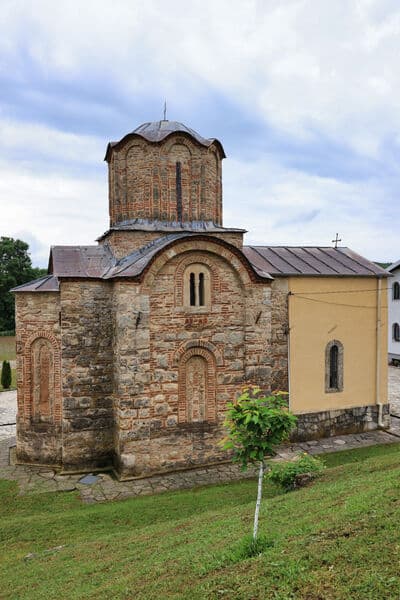
Budisavci Monastery is a medieval Serbian Orthodox monastery located in the village of Budisavci, near Klina and Peja. Founded in the early 14th century, the church is dedicated to the Transfiguration of Jesus Christ and is considered an important religious and cultural monument of medieval Serbian heritage. While its original frescoes are lost, significant repainting occurred in the 16th century, and the monastery remains an active spiritual center.