
Gosnay
France·inhabited commune
Gosnay is a commune located in the Pas-de-Calais department within the Hauts-de-France region of France. It lies a short distance southwest of the city of Béthune and further southwest of Lille. The commune is primarily known for its geographical location and administrative designation within the French Republic.
Key Facts
- ›Located in the Pas-de-Calais department.
- ›Part of the Hauts-de-France region.
- ›Situated southwest of Béthune.
- ›Approximately 25 miles southwest of Lille.
Cwgc Graveyard In the Communal Cemetery
About Gosnay
Gosnay is a commune situated in the Pas-de-Calais department of the Hauts-de-France region in northern France. Its geographical position places it approximately 2 miles (3.2 km) southwest of the city of Béthune and about 25 miles (40 km) southwest of Lille.
Location and Geography
The commune is an administrative division within the French Republic. It is characterized by its location within the Hauts-de-France region, a significant area in northern France known for its historical and geographical importance.
Notable Features
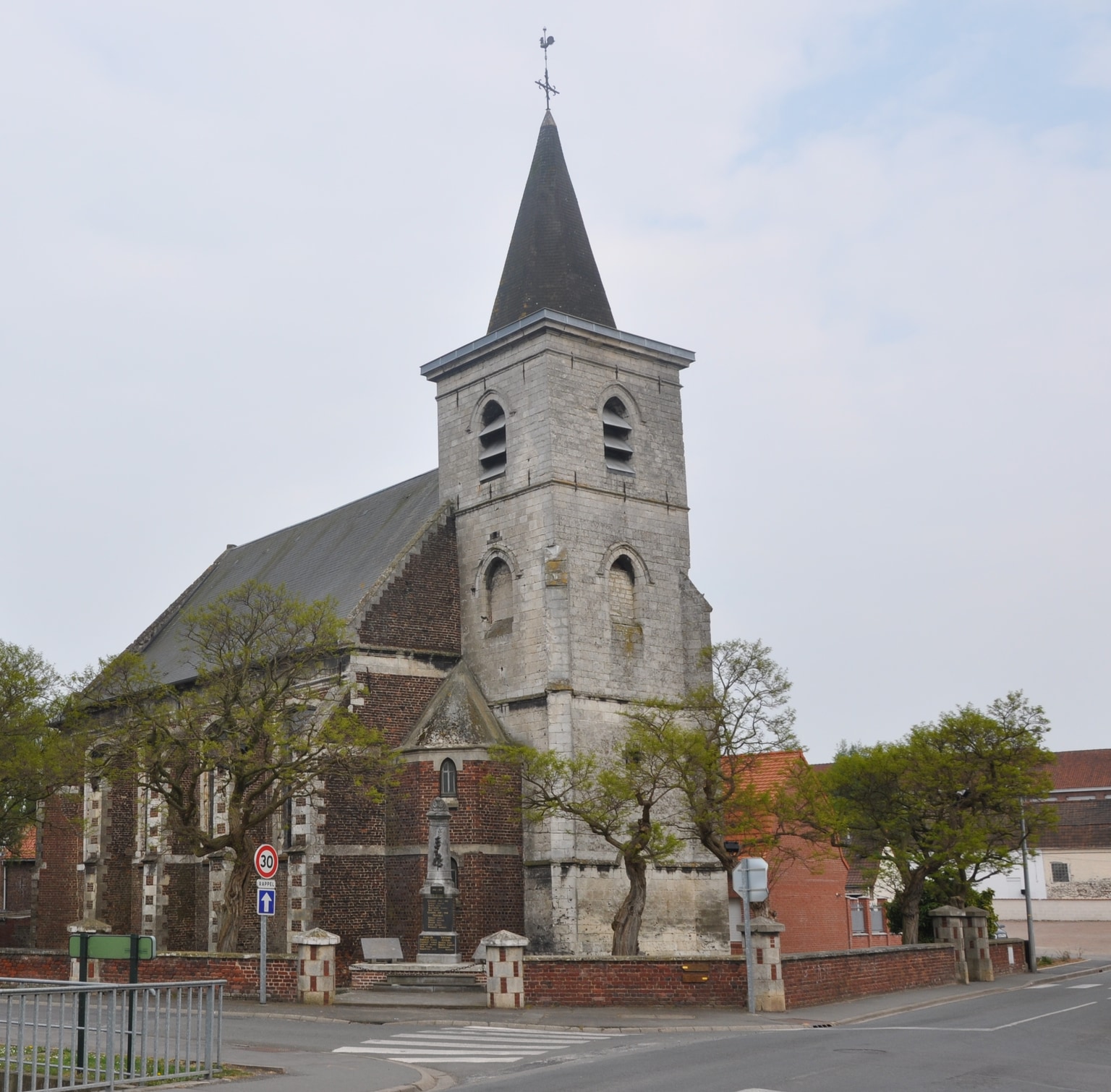
Among the documented features of Gosnay is the Commonwealth War Graves Commission (CWGC) graveyard, located within the communal cemetery. This indicates a historical connection to events that necessitated such a burial ground, likely related to military conflicts.
As a commune, Gosnay functions as a local administrative entity, and its primary identity is tied to its place within the departmental and regional structures of France.
Source: Wikipedia ↗
Frequently Asked Questions
Where is Gosnay located in France?
Gosnay is a commune situated in the Pas-de-Calais department, which is part of the Hauts-de-France region in northern France. It is located southwest of the larger city of Béthune.
What is the distance between Gosnay and Lille?
Gosnay is located approximately 25 miles (40 km) southwest of Lille, a major city in the Hauts-de-France region.
What administrative region does Gosnay belong to?
Gosnay belongs to the Hauts-de-France region. This region is located in the northern part of France.
Related Monasteries

Abbaye aux Dames
The Abbaye aux Dames, officially the Abbey of Sainte-Trinité, is a former Benedictine nunnery in Caen, Normandy. Founded in the late 11th century by William the Conqueror and Matilda of Flanders, it served as a significant religious institution and burial site for Matilda and her daughter Cecilia. Despite damage during the Hundred Years' War and suppression during the French Revolution, parts of the complex have been repurposed and restored, with the church retaining notable Romanesque and Gothic architectural features.

Abbaye aux Hommes
The Abbey of Saint-Étienne, commonly known as Abbaye aux Hommes, is a significant former Benedictine monastery located in Caen, Normandy, France. Founded in 1063 by William the Conqueror, it stands as a crucial example of Norman Romanesque architecture and was a key institution during a period of monastic reform. The abbey is historically notable as the intended burial site for William the Conqueror himself.

Abbey of La Chaise-Dieu
The Abbey of La Chaise-Dieu, established in 1043 by Robert de Turlande, is a former Benedictine abbey renowned for its Gothic architecture and significant historical associations, including a visit from Pope Urban II and the patronage of Pope Clement VI. It served as the headquarters of the Casadean order and is celebrated for its library, workshop for liturgical books, the Danse Macabre, and a music festival initiated in 1966.