
Gillingham Minster
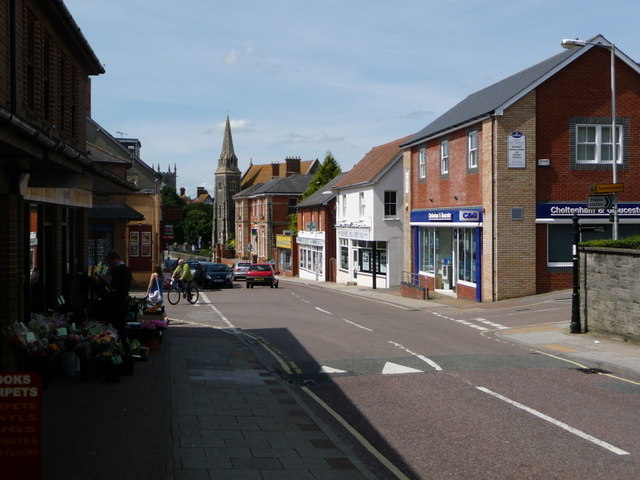
Gillingham Minster, located in the Blackmore Vale area of Dorset, England, has a history stretching back to the Stone Age with evidence of Roman settlement and its establishment by Saxons. The town's name, derived from Old English, signifies a homestead of a family or followers of a man named Gylla. Historically, it served as a royal hunting lodge and later developed into a significant farming and industrial center, notably gaining the first grammar school in Dorset in 1516 and experiencing growth due to its railway links, especially during World War II.
Key Facts
- ›Evidence of Stone Age barrow and Roman settlement exists in the town.
- ›The town's name originates from Old English, meaning 'homestead of Gylla's family'.
- ›Gillingham was the site of a royal hunting lodge visited by several English kings.
- ›It hosted the first grammar school in Dorset, established in 1516.
- ›The arrival of the railway in the 1850s spurred industrial growth and prosperity.
- ›The town experienced rapid growth during World War II due to large-scale evacuations.
Saxon, Tudor, 19th-Century, 20th-Century
- Saxon Cross Shaft In St Mary the Virgin Church
- 14th-Century Chancel In the Church
- Tudor-Origin Buildings
- Site of A Former Royal Hunting Lodge
King Henry I, King Henry Ii, King John, King Henry Iii, Edward Iii, Edward Rawson, John Constable, Simon Hoare
- Battle Between King Edmund Ironside and Danish King Cnut In 1016
- Black Death Population Decline In 1348
- Destruction of the Royal Hunting Lodge In 1369
- Arrival of the Railway In the 1850s
- Large-Scale Evacuation During World War Ii
About Gillingham Minster
Gillingham Minster, situated in the Blackmore Vale of Dorset, England, is a town with a history deeply rooted in Saxon settlement. Evidence suggests an earlier presence from the Stone Age, with Roman activity noted in the 2nd and 3rd centuries. The town's name, derived from Old English, signifies a 'homestead of the family or followers of a man called Gylla.'
Historical Significance
During the medieval period, Gillingham served as a royal hunting lodge, attracting monarchs such as Henry I, Henry II, John, and Henry III. The town experienced a significant population loss due to the Black Death in 1348, with half of its inhabitants perishing. Later, in 1516, Gillingham established the first grammar school in Dorset. The arrival of the railway in the 1850s marked a pivotal point, fostering industrial growth and bringing prosperity through new industries like brickmaking and cheese production. The town's strategic location on the railway also played a crucial role in its rapid expansion during World War II due to evacuations.
Architectural Heritage
While the church of St Mary the Virgin features a 9th-century Saxon cross shaft and a 14th-century chancel, much of the building was reconstructed in the 19th and 20th centuries. Nevertheless, many other structures within Gillingham retain their Tudor origins, contributing to the town's historical character.
Source: Wikipedia ↗
Frequently Asked Questions
What is the origin of the name Gillingham?
The name Gillingham derives from a personal name plus the Old English words 'inga' and 'hām'. It means 'a homestead of the family or followers of a man called Gylla'.
When was Gillingham established?
While there is evidence of Stone Age and Roman presence, the town was established by the Saxons. The name Gillingham was used in a 10th-century Saxon charter.
What historical events took place in Gillingham?
In 1016, Gillingham was the location of a battle between King Edmund Ironside and Danish King Cnut. It also suffered significant population loss due to the Black Death in 1348.
What was Gillingham's significance in medieval times?
During the Middle Ages, Gillingham was the site of a royal hunting lodge, frequented by kings such as Henry I, Henry II, John, and Henry III. A nearby royal forest was designated for the king's deer.
How did the railway impact Gillingham?
The arrival of the railway in the 1850s brought prosperity and new industries to Gillingham, including brickmaking, cheese production, printing, and soap manufacture. Its position on the railway line was also key to its rapid growth during World War II.
Related Monasteries

Bautzen
Bautzen, historically known as Budissin, is a town in eastern Saxony, Germany, recognized as the historical capital of Upper Lusatia and a vital political and cultural center for the Sorbian minority. Situated on the Spree River, it boasts a well-preserved medieval town center with numerous historical buildings, churches, and city walls, making it a significant historical and cultural site in the region.

Grossenhain
Großenhain, originally a Sorbian settlement, emerged as a significant fortified town in the Middle Ages, becoming one of Saxony's most powerful settlements. It has a history marked by destruction from fires and wars, notably being nearly leveled in 1744 and hosting a Napoleonic battle in 1813. The town's modern history includes a military airfield serving as a Soviet Air Force base and a recent cultural center conversion of its castle ruins, alongside a devastating tornado in 2010.

Güssing
Güssing is a historic town in Burgenland, Austria, most famous for its castle, the oldest in the region, built on an extinct volcano. Originally a significant border town in the Kingdom of Hungary, it developed as a free imperial city and later became the residence of the prominent Batthyány family. Today, Güssing is also recognized for its innovative renewable energy projects, particularly its reliance on local wood as an energy source.