
Gerleve Abbey
Gerleve Abbey is a Benedictine monastery founded in 1899 near Coesfeld and Billerbeck in Westphalia, Germany. Initially established by monks from Beuron Archabbey, it grew significantly, becoming a center for the "liturgical movement" in northwest Germany and a hub for theological and scholarly pursuits. The abbey faced expulsion by the National Socialists during World War II but was re-established and continues its tradition of prayer, work, and pastoral care, including retreat houses and educational programs.
Key Facts
- ›Founded in 1899 on land donated by the Wermelt family.
- ›Formally declared an abbey in 1904 with Abbot Raphael Molitor.
- ›Played a key role in the "liturgical movement" in northwest Germany since 1918.
- ›Expelled by National Socialists in 1941, with some monks facing persecution.
- ›Re-established after World War II and expanded its pastoral and educational work.
- ›Currently has 29 monks as of May 2026.
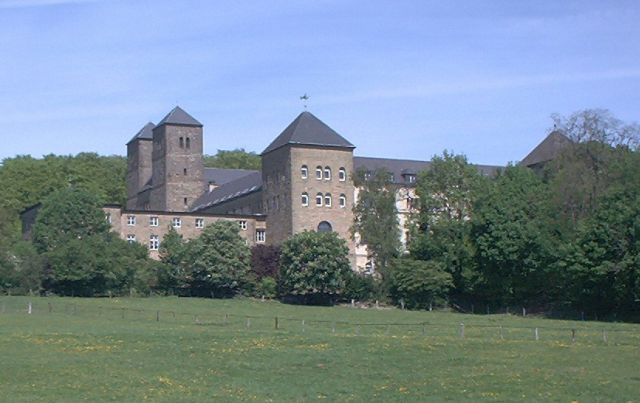
Neo-Romanesque
- Ludgerirast Retreat House
- Haus St. Benedikt Youth Education Center
- Gregorian Chants
- Graveyard With Graves of Pows and Hospital Patients
Kloster Gerleve, Abtei Gerleve
Raphael Molitor, Edith Stein
Expulsion By National Socialists In 1941, Repurposing of the Monastery During Wwii, Return of the Monks In 1946
About Gerleve Abbey
Gerleve Abbey, also known in German as Kloster or Abtei Gerleve, is a Benedictine monastery located in the Westphalia region of Germany, situated between the towns of Coesfeld and Billerbeck. Its history began in 1899 when a community of monks from Beuron Archabbey was established on land provided by the Wermelt family. The monastery was formally recognized as an abbey in 1904, with Raphael Molitor serving as its first abbot, under whom it experienced significant growth and development.
History and Significance
Since 1918, Gerleve Abbey has been a pivotal center for the "liturgical movement" in northwest Germany, concurrently expanding its pastoral activities and community outreach. The grounds developed to include the Ludgerirast retreat house and a youth hostel, reflecting a commitment to spiritual and educational support. The abbey also fostered intellectual pursuits, with some monks becoming respected theologians, historians, and musicologists, with several contributing to the Benedictine College of Sant'Anselmo in Rome. Edith Stein, later Saint Teresa Benedicta of the Cross, visited Gerleve on multiple occasions.
World War II and Resilience
During World War II, Gerleve Abbey faced severe persecution. In July 1941, the community was expelled by the National Socialists, who viewed the monks' emphasis on Christian values as a form of resistance. The abbey was requisitioned for various purposes, including housing for bombed-out families, a maternity facility where over 800 children were born, and later a military hospital. Some monks were deported to concentration camps, and many were conscripted, with several losing their lives in the war. The monks were able to return in 1946, and the abbey resumed its work, including retreat ministries and pastoral care for young people. In 1951, Gerleve Abbey also established Nütschau Priory.
Architecture and Present Day
The monastery church and buildings were designed by Ludger Wilhelm Rincklake, with the foundation stone for the Neo-Romanesque church laid in 1901. Today, Gerleve Abbey continues to be a vibrant monastic community. While agricultural work has largely ceased, new initiatives like the "Forum Gerleve" host public lectures and concerts. The "Haus St. Benedikt" serves as a youth education center, and the retreat houses accommodate guests for various spiritual and educational programs. The abbey maintains its tradition of Gregorian chant and prayer, with a community numbering 29 monks as of May 2026. It remains an active part of the Beuronese Congregation, offering a space for spiritual reflection and learning.
Source: Wikipedia ↗
Frequently Asked Questions
When was Gerleve Abbey founded?
Gerleve Abbey was founded in 1899. The west wing of the monastery was completed in 1904, and it was formally declared an abbey that same year.
What is the religious tradition of Gerleve Abbey?
Gerleve Abbey belongs to the Benedictine Order. It is part of the Beuronese Congregation.
What happened to Gerleve Abbey during World War II?
In 1941, the community was expelled by the National Socialists due to its perceived resistance. The monastery was repurposed for housing, a maternity facility, and later a military hospital, while some monks were deported or conscripted.
What are the main activities of Gerleve Abbey today?
Today, Gerleve Abbey focuses on prayer, pastoral care, and educational work. It hosts retreat houses, educational centers like 'Haus St. Benedikt', and public lectures and concerts through its 'Forum Gerleve' initiative.
Does Gerleve Abbey offer accommodation for guests?
Yes, the abbey itself can house about 10 male guests for retreats or to participate in community life. Additionally, the retreat houses, Haus Ludgerirast and Haus St. Benedikt, offer accommodation for larger groups and individuals.
Related Monasteries

Ampleforth Abbey
Ampleforth Abbey is a Benedictine monastery situated in North Yorkshire, England, with roots tracing back to the pre-Reformation community of Westminster Abbey. Founded in 1802, it has evolved from a priory to an abbey in 1890 and is known for its significant educational institutions, including Ampleforth College. The current Abbey church, a Grade I listed building, was designed by Giles Gilbert Scott and is a prominent example of 20th-century ecclesiastical architecture.

Belloc Abbey
Belloc Abbey, officially known as the Abbey of Notre-Dame de Belloc, is a Benedictine monastery established in 1875 in Urt, within the Pyrénées-Atlantiques region of France. The community adheres to the Rule of Saint Benedict and is part of the Subiaco Cassinese Congregation. The monastery is known for its production of ewes' milk cheese, named Abbaye de Belloc, and offers hospitality and spiritual guidance to visitors.

Conception Abbey
Conception Abbey is a Benedictine monastery founded in 1873 by monks from Engelberg Abbey in Switzerland. Established as a refuge and to minister to settlers, it grew to become a significant religious and educational institution in Missouri. The abbey is known for its seminary, printing house, and its Basilica of the Immaculate Conception, which features notable murals.