
Enköping
Enköping is a significant Swedish locality and the seat of its municipality in Uppsala County, known for its strategic location near Lake Mälaren and its historical roots stretching back to the 13th century. The city has always benefited from its proximity to fertile farmlands and has remained a vital hub for commerce and transportation, a characteristic it shares today with its excellent communication links. Its municipal slogan, "Sweden's Closest City," reflects its advantageous position within a 120-kilometer radius of numerous Swedish cities and a third of the country's population.
Key Facts
- ›Enköping's history dates back to the 13th century, with the city emerging around 1250.
- ›It is situated near Lake Mälaren, approximately 78 km west of Stockholm.
- ›The city is a major crossroads for commerce and boasts excellent modern communication links.
- ›Its municipal slogan, "Sweden's Closest City," highlights its central location relative to other Swedish urban centers.
- ›The area surrounding Enköping contains some of the best-preserved Bronze Age rock art in central Sweden.
- ›A notable figure, Lars (archbishop), is buried in the monastery located in Enköping.

Bronze Age Rock Art, Great Communication Links, Monastery Where Archbishop Lars Is Buried
Lars
About Enköping
Enköping is a significant Swedish locality and the seat of its municipality in Uppsala County, recognized for its historical depth and strategic geographical position.
History and Significance
The origins of Enköping trace back to the 13th century, with the city formally emerging around 1250. Its development has been intrinsically linked to its location by the fertile farmlands surrounding Lake Mälaren, fostering a prosperous rural population. Historically, Enköping has served as a crucial crossroads for commerce, a role it continues to fulfill today due to its excellent transportation infrastructure, including the Mälarbanan railway and the E18 highway, which connect it to major cities like Stockholm and Västerås.
The municipal slogan, "Sweden's Closest City," aptly describes its advantageous position. This slogan, coined in 1965, highlights that a substantial number of Swedish cities and a significant portion of the country's population are accessible within a 120-kilometer radius of Enköping. The area surrounding the city also holds archaeological importance, boasting some of the best-preserved Bronze Age rock art in central Sweden.
Notable Aspects
Among the notable figures associated with Enköping is Archbishop Lars, who is interred in the monastery located within the city. Modern Enköping continues to serve as a hub for various industries and institutions, including manufacturing, a hospital, and a command and control center for the Swedish Armed Forces' electronic warfare capabilities.
Geography and Connectivity
Located near the expansive Lake Mälaren, approximately 78 kilometers west of Stockholm, Enköping's geography has always been a key factor in its development. Its connectivity is further underscored by its role as a transportation nexus, facilitating easy travel and commerce throughout the region.
Source: Wikipedia ↗
Frequently Asked Questions
When was Enköping founded?
The city of Enköping dates its history back to the 13th century, with the city itself emerging around the year 1250. This places its origins firmly in the medieval period.
Where is Enköping located?
Enköping is situated in Uppsala County, Sweden, near Lake Mälaren. It lies approximately 78 kilometers west of Stockholm, making it a strategically located settlement.
What is Enköping known for geographically?
Enköping is located near Lake Mälaren, a large lake in central Sweden. The surrounding area is characterized by rich farmlands, and the city itself is a major crossroads for commerce and transportation.
What is the meaning of Enköping's municipal slogan?
The municipal slogan is "Sweden's Closest City." This phrase, created in 1965, emphasizes Enköping's central location, as 38 Swedish cities and a third of Sweden's population are within a 120-kilometer radius of the city.
Are there any historical sites near Enköping?
Yes, the area near Enköping features some of the best-preserved rock art from the Bronze Age found in central Sweden. These ancient markings offer a glimpse into the region's prehistoric past.
Related Monasteries

Dragsmark Abbey
Dragsmark Abbey was a Premonstratensian canonry located in Båhuslen, historically part of Norway and now Sweden. Founded before 1260 with royal support, it was dedicated to the Virgin Mary and once housed a prestigious school. The abbey experienced decline in the 15th century, was secularized by 1519, and its buildings were later used as a quarry, leading to its current state as ruins.

Malmö
Malmö is a major city in southern Sweden, historically significant as a Danish port and later a Swedish industrial center. It has undergone a significant transformation from its industrial past to a modern hub for technology, logistics, and culture. Today, Malmö is a diverse and growing city, notable for its architecture, cultural institutions, and its connection to continental Europe via the Öresund Bridge.
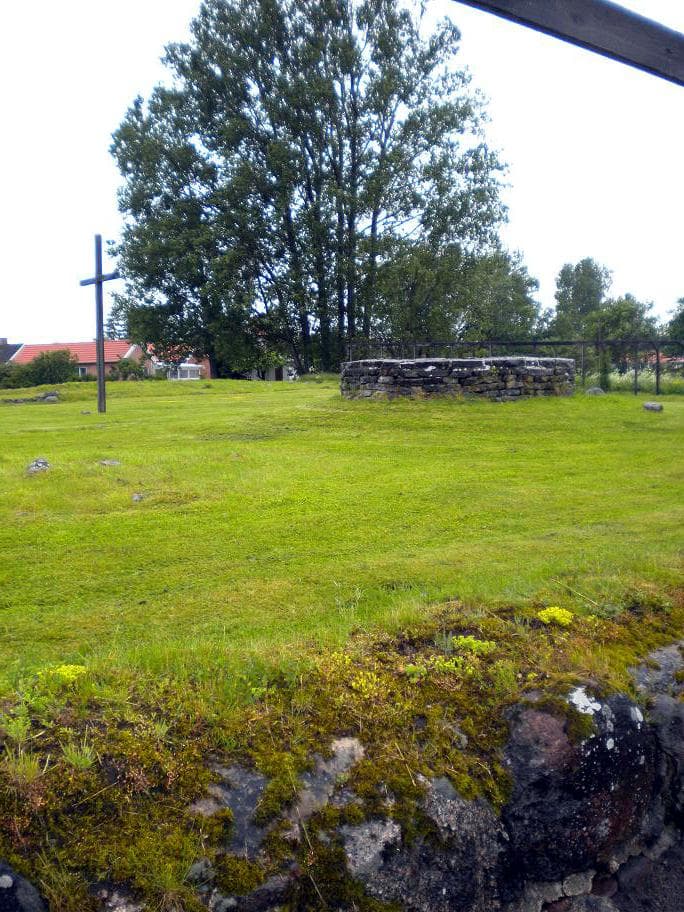
Skänninge Abbey
Skänninge Abbey, also known as St. Ingrid's Priory, was a Dominican convent for nuns in Skänninge, Sweden, operating from 1272 to 1544. Founded by Saint Ingrid of Skänninge, the abbey became a significant center for her cult and a wealthy institution, attracting donations and burials from the elite. It was eventually dissolved during the Swedish Reformation and its nuns forcibly relocated.