
Dragsmark Abbey
Dragsmark Abbey was a Premonstratensian canonry located in Båhuslen, historically part of Norway and now Sweden. Founded before 1260 with royal support, it was dedicated to the Virgin Mary and once housed a prestigious school. The abbey experienced decline in the 15th century, was secularized by 1519, and its buildings were later used as a quarry, leading to its current state as ruins.
Key Facts
- ›Founded before 1260 with support from King Håkon Håkonsson.
- ›Dedicated to the Blessed Virgin Mary.
- ›Once possessed significant wealth and operated a prestigious school.
- ›Was one of the first monasteries in Norway to be secularized, by 1519.
- ›Buildings were quarried for stone for Båhus Fortress in 1610.
- ›The ruins include a church measuring approximately 20 by 10 meters.

Church Ruins, Remains of Conventual Buildings, Traces of Other Buildings
Marieskog
King HåKon HåKonsson
Founded Before 1260, Secularized By 1519, Granted To A Tenant In 1532 With Reformation, Buildings Quarried For Stone In 1610, Ruins Investigated In 1897-98
About Dragsmark Abbey
Dragsmark Abbey, also known by the Norwegian name "Marieskog," was a significant Premonstratensian canonry established in the historical region of Båhuslen, which was once part of Norway but is now located in Bohuslän, Sweden. The abbey's foundation predates 1260, receiving crucial support from King Håkon Håkonsson. It was dedicated to the Blessed Virgin Mary and, during its peak, flourished as a wealthy institution that also operated a prestigious school.
History and Decline
The fortunes of Dragsmark Abbey began to wane during the 15th century, leading to its eventual secularization. By 1519, the abbey was already under the administration of a lay official, making it one of the earliest monastic communities in Norway to undergo such a transformation. Following the Reformation, the Crown transferred ownership of the abbey to a tenant in 1532, with the stipulation that the remaining canons be provided for. The abbey's structures subsequently fell into disrepair, and by 1610, its stones were being repurposed for the construction of Båhus Fortress.
Site and Architectural Remains
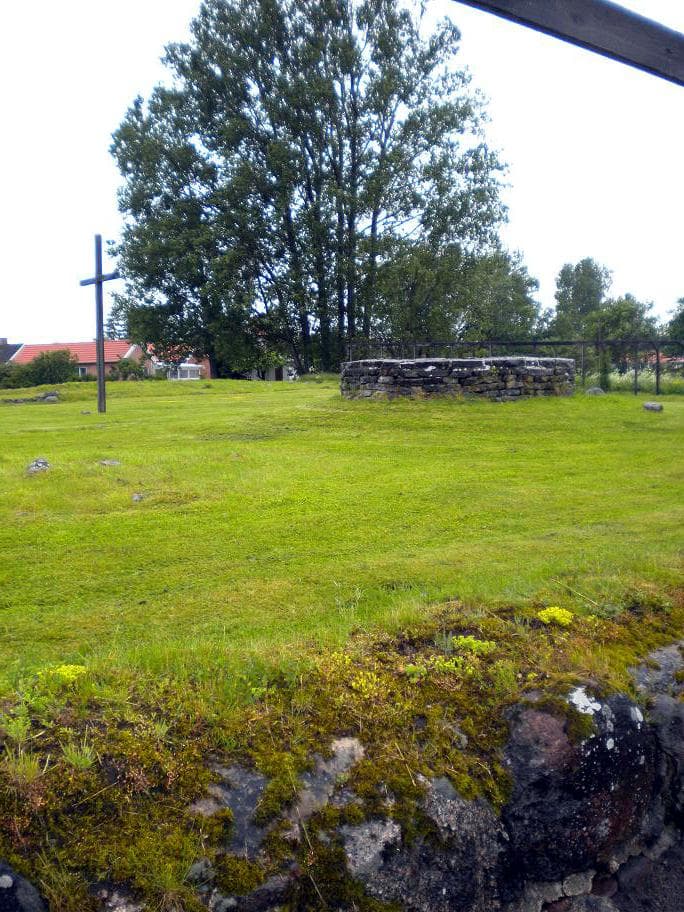
The ruins of Dragsmark Abbey are located on the western side of Bokenäset, situated on the fjord between Uddevalla and the sea, to the north of the island of Orust. Archaeological investigations conducted in 1897-1898 revealed the layout of the site. The church itself measured approximately 20 meters in length and 10 meters in width. Adjacent to the church, to the south, were the conventual buildings. Explorations have so far focused on two chambers closest to the church, believed to be the sacristy and the chapter house. Further south, traces of additional buildings are visible, and to the west, the remains of another structure whose relationship to the main complex remains unclear.
Source: Wikipedia ↗
Frequently Asked Questions
When was Dragsmark Abbey founded?
Dragsmark Abbey was founded sometime before 1260. King Håkon Håkonsson provided support for its establishment.
What religious order was Dragsmark Abbey a part of?
Dragsmark Abbey was a Premonstratensian canonry. This order is also known as the Norbertines.
What is the current state of Dragsmark Abbey?
Today, Dragsmark Abbey exists as ruins. Its buildings fell into disrepair after secularization and were even used as a source of building stone.
What was the historical significance of Dragsmark Abbey?
In its prime, Dragsmark Abbey was a wealthy institution and operated a well-regarded school. It also holds the distinction of being one of the earliest monasteries in Norway to be secularized.
Where is Dragsmark Abbey located?
The monastery ruins are situated on the west side of Bokenäset, along the fjord between Uddevalla and the sea, north of the island of Orust. Historically, this region was part of Norway, but it is now located in Bohuslän, Sweden.
Related Monasteries
Skänninge Abbey
Skänninge Abbey, also known as St. Ingrid's Priory, was a Dominican convent for nuns in Skänninge, Sweden, operating from 1272 to 1544. Founded by Saint Ingrid of Skänninge, the abbey became a significant center for her cult and a wealthy institution, attracting donations and burials from the elite. It was eventually dissolved during the Swedish Reformation and its nuns forcibly relocated.

Sko Abbey
Sko Abbey was a Cistercian nunnery in Sweden, operational from approximately 1230 until at least 1588. Founded by Knut Långe, it served as a school for daughters of the nobility and often housed nuns from noble families. Following the Swedish Reformation, its assets were confiscated, and the monastery transitioned into a girls' school and retirement home before its buildings were eventually dismantled to make way for Skokloster Castle.

Solberga Abbey
Solberga Abbey was the sole Cistercian nunnery on the island of Gotland, Sweden, in operation from 1246 until at least 1469. Initially located outside Visby, it relocated into the city in 1404. The abbey was a significant institution, housing both an abbess and a prioress, and played a role in local history, including the burial of soldiers from the Battle of Visby on its lands.