
Deutz Abbey
Christian·Germany·Partially active (church used by Greek Orthodox community), former abbey site repurposed·11th century
Deutz Abbey was a Benedictine monastery founded in 1003 near Cologne by Saint Heribert. Despite its strategic location by the Rhine, it faced destruction multiple times throughout its history due to its proximity to conflict. Though dissolved during the Napoleonic era, its former abbey church, Alt St. Heribert, continues to serve religious purposes, currently by the Greek Orthodox community, while the site now houses a care home.
Key Facts
- ›Founded in 1003 by Saint Heribert, Archbishop of Cologne.
- ›Located in Deutz, now part of Cologne, Germany.
- ›Destroyed and rebuilt multiple times due to its strategic position.
- ›Dissolved during the Napoleonic era.
- ›The former abbey church, Alt St. Heribert, is now used by the Greek Orthodox community.
- ›The site currently accommodates an old people's home run by Caritas.

Romanesque
Romanesque Church, Remnants of Romanesque Cellar, Mural Paintings By Werner Weber
Kloster Deutz, Abtei Deutz
Saint Heribert, Rupert of Deutz, Werner Weber
Founded In 1003, Destroyed In the 14th Century, Destroyed In the 16th Century, Dissolved During the Napoleonic Era, Abbey Church Heavily Damaged In World War Ii, Reconstruction In the 1970s
About Deutz Abbey
Deutz Abbey was a significant Benedictine monastic institution situated in Deutz, which is now incorporated into the city of Cologne as Köln-Deutz in North Rhine-Westphalia, Germany. Its strategic location on the banks of the Rhine River played a pivotal role throughout its history, often exposing it to the turbulence of surrounding conflicts.
Founding and Early History
The abbey's origins trace back to 1003 when it was founded on the site of a former Roman fort. The impetus for its establishment came from Saint Heribert, the Archbishop of Cologne, who was also a trusted advisor to Emperor Otto III. Saint Heribert himself died in 1021 and was interred within the Romanesque church he had commissioned for the monastery. Later, during the 1120s, the theologian Rupert of Deutz served as the abbot.
Periods of Destruction and Dissolution
Despite possessing extensive properties, Deutz Abbey's advantageous yet vulnerable position by the Rhine led to its repeated involvement in warfare. The monastery suffered destruction in the 14th century and again in the 16th century. Its monastic life ultimately ceased during the secularization that occurred during the Napoleonic era.
Legacy and Present Day
Following its dissolution, the former abbey church, now known as Alt St. Heribert, was repurposed as a Roman Catholic parish church in 1804. However, the building sustained heavy damage during World War II, with only its ground floor and remnants of the Romanesque cellar surviving. A period of reconstruction took place in the 1970s. Today, the former abbey complex accommodates an old people's home managed by Caritas, and notable mural paintings by the artist Werner Weber adorn its interior. The church of Alt St. Heribert is currently utilized by the Greek Orthodox community of Cologne, while the Roman Catholic parish responsibilities have been transferred to Neu St. Heribert, which now houses the shrine of Saint Heribert.
Source: Wikipedia ↗
Frequently Asked Questions
When was Deutz Abbey founded?
Deutz Abbey was founded in the year 1003. Its establishment was initiated by Saint Heribert, who was the Archbishop of Cologne and a close advisor to Emperor Otto III.
What is the current status of Deutz Abbey?
Deutz Abbey itself was dissolved during the secularisation of the Napoleonic era. However, its former abbey church, known as Alt St. Heribert, is still in use today by the Greek Orthodox community of Cologne. The grounds of the former abbey now house an old people's home.
What notable figures are associated with Deutz Abbey?
Saint Heribert, Archbishop of Cologne and founder of the abbey, is a key figure. The theologian Rupert of Deutz also served as abbot during the 1120s. The artist Werner Weber is noted for mural paintings within the former abbey.
Has Deutz Abbey been damaged historically?
Yes, Deutz Abbey experienced significant damage and destruction multiple times throughout its history. It was destroyed in the 14th century and again in the 16th century, and the abbey church was heavily damaged during World War II.
Related Monasteries

Konradsburg
Konradsburg, originally a castle built to protect imperial lands, was transformed into a Benedictine abbey around 1120 and later became a Carthusian charterhouse in 1477. Following the German Peasants' War, it was abandoned by the monks in 1526 and subsequently served as a manor house for agricultural use until 1945. Today, it is a site undergoing conservation and is open to the public.
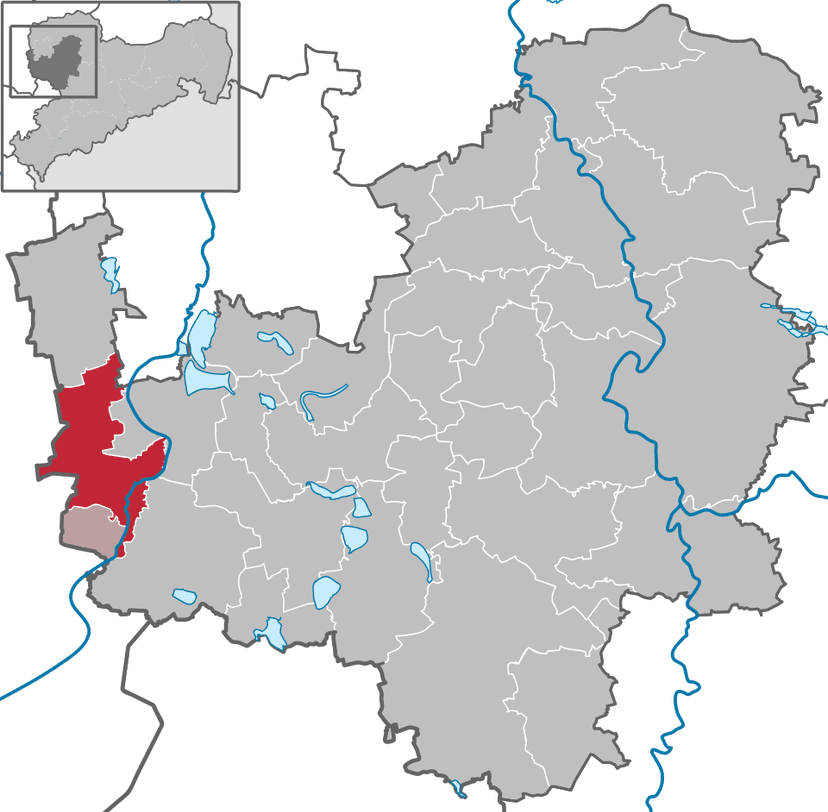
Pegau
Pegau is a town in Saxony, Germany, that grew around a Benedictine monastery founded in 1096. While the monastery was dissolved in the 16th century, the town developed into a market center with a significant town hall from the German Renaissance period. Today, Pegau continues to be a local administrative and cultural hub.

Bautzen
Bautzen, historically known as Budissin, is a town in eastern Saxony, Germany, recognized as the historical capital of Upper Lusatia and a vital political and cultural center for the Sorbian minority. Situated on the Spree River, it boasts a well-preserved medieval town center with numerous historical buildings, churches, and city walls, making it a significant historical and cultural site in the region.