
Dartford Priory
Dartford Priory was a Dominican nunnery located in Dartford, Kent, founded by King Edward III in 1346. It played a role in the dissolution of the monasteries, after which Henry VIII converted it into a Royal Palace and manor house. The priory is notable for its royal connections and the succession of prioresses recorded over its history.
Key Facts
- ›Founded by King Edward III in 1346.
- ›Served as a Dominican Nunnery.
- ›Converted into a Royal Palace by Henry VIII after the dissolution.
- ›Underwent conversion to a manor house between 1541 and 1544.
- ›Notable prioresses included Elizabeth Cressener, who oversaw Bridget of York becoming a nun.

Royal Palace Conversion, Manor House Conversion
Edward Iii, Elizabeth Cressener, Bridget of York
- Foundation By Edward Iii
- Dissolution of the Monasteries
- Conversion To Royal Palace and Manor House By Henry Viii
About Dartford Priory
Dartford Priory was a significant Dominican nunnery located in Dartford, Kent. Its foundation in 1346 by King Edward III marked a notable event, celebrated with a tournament upon his return from a successful campaign in France. The priory served as a religious institution for several centuries, with a succession of prioresses documented throughout its history, including figures like Elizabeth Cressener.
Role in the Dissolution and Royal Conversion
The priory played a part in the broader historical context of the dissolution of the monasteries. Following this period, King Henry VIII appropriated Dartford Priory for his own use. Between 1541 and 1544, the former ecclesiastical buildings were transformed into a Royal Palace and subsequently a manor house, reflecting the shifting uses of religious properties during the Tudor era. While the priory as a monastic community ceased to exist, its structures were repurposed for royal and domestic use.
Source: Wikipedia ↗
Frequently Asked Questions
When was Dartford Priory founded?
Dartford Priory was founded in 1346 by King Edward III. The foundation was announced upon his return from a victorious campaign in France.
What religious order was associated with Dartford Priory?
Dartford Priory was a Dominican Nunnery. The Dominican Order is a mendicant order of the Catholic Church.
What happened to Dartford Priory after the dissolution of the monasteries?
Following the dissolution of the monasteries, King Henry VIII took possession of Dartford Priory. He established it as a Royal Palace and converted the former ecclesiastical buildings into a manor house between 1541 and 1544.
Who were some notable figures associated with Dartford Priory?
King Edward III was instrumental in its foundation. Prioresses like Elizabeth Cressener are recorded, and Bridget of York became a nun there under Cressener's care.
Related Monasteries

Interlaken Monastery
Interlaken Monastery was a significant convent of Augustinian Canons Regular situated in Interlaken, Switzerland, operating from approximately 1133 to 1528. Initially founded by Baron Seliger of Oberhofen and placed under imperial protection, it grew to become a major landholder with authority over numerous churches, villages, and farms. The monastery experienced periods of growth and decline, facing internal disputes and external conflicts before its secularization during the Protestant Reformation, after which its properties were managed by Bernese authorities.
Doncaster Whitefriars
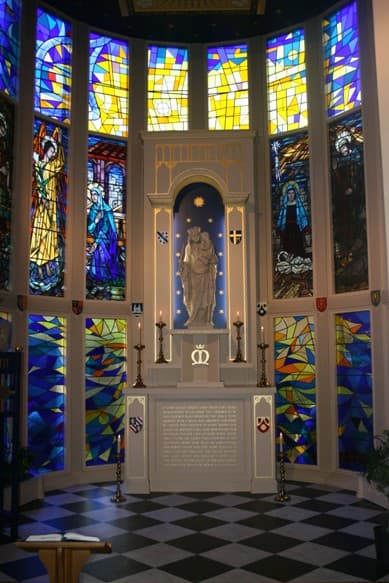
Our Lady of Doncaster is a Marian shrine with a history deeply intertwined with the Carmelite friary in Doncaster, England. The original shrine, featuring a statue venerated by royalty and pilgrims, was a significant religious site in medieval Yorkshire. Although destroyed during the English Reformation, devotion was revived, leading to the establishment of a modern shrine in St Peter-in-Chains Church in 1973.

Bologna Charterhouse
The Certosa di Bologna, originally a Carthusian monastery founded in 1334, was suppressed in 1797 and transformed into Bologna's Monumental Cemetery in 1801. Praised for its transformation into an "open-air museum," it showcases a blend of religious architecture and elaborate funerary monuments, and is also notable for the discovery of an ancient Etruscan necropolis on its grounds. The site is situated on the outskirts of Bologna, near the Stadio Renato Dall'Ara and at the base of Monte della Guardia.