
Condat Abbey
Christian·France·Cathedral (former abbey church)·5th century
Condat Abbey, established in the 420s in the Jura mountains of modern-day France, became a significant monastic center during the Merovingian and Carolingian eras. Initially founded by Romanus and Lupicinus as a place for separate cells in emulation of the Desert Fathers, it later transformed into a coenobitic rule under Abbot Eugendus. The abbey developed into an ecclesiastical principality and was renowned for its library, school, and relics, attracting pilgrims and notable figures.
Key Facts
- ›Founded in the 420s by Romanus and Lupicinus.
- ›Became the capital of Haut Jura and an influential ecclesiastical principality.
- ›Transformed from eremitism to a coenobitic rule under Abbot Eugendus.
- ›Educated notable figures and served as a retirement place for royalty.
- ›Possessed a famed collection of relics, notably those of Saint Claude.
- ›Declined from the 17th century, with its lands secularized in 1742.
Late Gothic
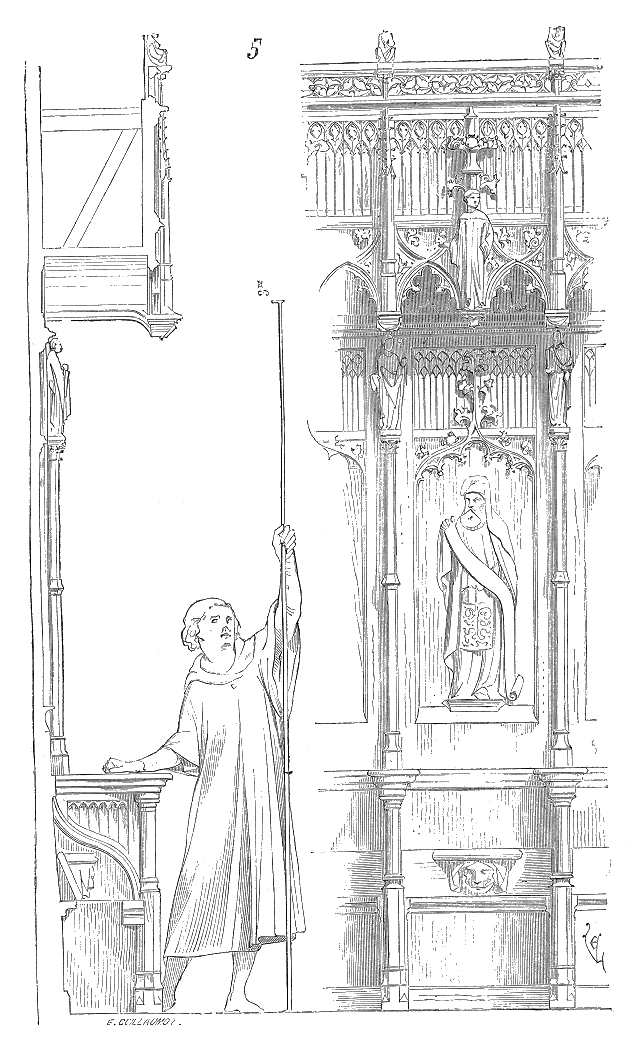
Library, School, Collection of Relics, Late Gothic Choirstalls
Saint-Oyend-De-Joux, Saint-Claude
Romanus, Lupicinus of Lyon, Eugendus, Leutfridus, Romanus, Archbishop of Reims, Viventiolus, Archbishop of Lyon, Carloman, Manon, Radboud, Bishop of Utrecht, Stephen of Beze, Simon of CréPy, Claudius of BesançOn, Louis Xi, éTienne De Fauquier, Pierre De La Baume, Don Juan of Austria the Younger, CéSar Cardinal D'EstréEs
- Founding of the Abbey In the 420s.
- Transformation To Coenobitic Rule Under Abbot Eugendus.
- Establishment of the Benedictine Rule In 814.
- Development of the Cult of Saint Claude In the 12th Century.
- Reform Program Under Abbot éTienne De Fauquier In the 15th Century.
- Secularization of Its Lands In 1742.
About Condat Abbey
Condat Abbey, founded in the 420s in the valley of Bienne within the Jura mountains of modern-day France, emerged as a pivotal monastic center during the Merovingian and Carolingian periods. Its establishment by the brothers Romanus and Lupicinus was initially conceived as a secluded community for monks seeking to emulate the asceticism of the Desert Fathers, utilizing separate cells on a strategic headland at the confluence of the Bienne and Tacon rivers.
Transformation and Influence
The abbey's trajectory shifted significantly under Abbot Eugendus (died c. 510–515), who rebuilt it in stone and transitioned its structure from eremitism to a cenobitic rule. Under his leadership, Condat grew into an independent ecclesiastical principality that governed Upper Jura. The abbey also fostered a renowned library and school, educating influential figures such as Leutfridus, Romanus of Reims, and Viventiolus of Lyon. Notably, Carloman, uncle of Charlemagne, retired to Condat, and the Benedictine rule was formally established there in 814. The abbey's reputation was further enhanced in the tenth century by Stephen of Beze.
Pilgrimage and Decline
Condat Abbey became a significant pilgrimage destination due to its collection of relics, particularly the body of Abbot Claudius of Besançon, whose cult gained prominence in the twelfth century. The village that grew around the abbey eventually adopted the name Saint-Claude. Despite a reform initiated by Abbot Étienne de Fauquier in the fifteenth century, which saw the construction of impressive Late Gothic choirstalls, the abbey experienced a decline from the seventeenth century onward. It devolved into an aristocratic chapter, and its lands were secularized in 1742, leading to the establishment of the bishopric of Saint-Claude. The sole remaining structure of the original abbey is its former church, now Saint-Claude Cathedral.
Source: Wikipedia ↗
Frequently Asked Questions
When was Condat Abbey founded?
Condat Abbey was founded in the 420s. The founders were local monks, Romanus and his younger brother Lupicinus.
Where is Condat Abbey located?
Condat Abbey is located in the valley of Bienne, in the Jura mountains, in modern-day France. It became the capital of Haut Jura.
What was the early structure of Condat Abbey?
Initially, the site chosen by Romanus and Lupicinus was for separate cells where they and their followers would live in emulation of the Eastern Desert Fathers. This isolated, stony headland was at the confluence of the rivers Bienne and Tacon.
How did Condat Abbey evolve over time?
Under Abbot Eugendus, the monastery transformed its early eremitism into a coenobitic rule and became an ecclesiastical principality. By the late twelfth century, it held significant influence with numerous priories, churches, and chapels.
What led to the decline of Condat Abbey?
The abbey began to decline in the seventeenth century. A period of reform was followed by a devolution into an aristocratic chapter under abbots in commendam. Its lands were eventually secularized in 1742.
What remains of Condat Abbey today?
Today, the former abbey church of Condat Abbey remains, rebuilt in the fourteenth century and subsequently remodeled. It is now known as Saint-Claude Cathedral.
Related Monasteries

Abbey of St Victor
The Abbey of Saint-Victor in Marseille is a former Benedictine monastery with a history stretching back to the late Roman period. Founded by John Cassian in 415 AD, it played a significant role in early Christian theology and monasticism. Despite suffering numerous destructions and periods of decline, it was repeatedly restored and remained an important religious and economic center throughout the Middle Ages.

Moutiers-Saint-Jean Abbey
Moutiers-Saint-Jean Abbey, also known as Abbaye Saint-Jean-de-Réome, was a significant monastery in Burgundy, France, founded around 450 by John de Réôme. It underwent various reforms and faced destruction and rebuilding over centuries, notably during the French Revolution when it was sold as rubble. Today, its remains are protected, and surviving architectural elements are preserved in museums.

Psalmody Abbey
Psalmody Abbey was a historically significant Benedictine monastery located near Saint-Laurent-d'Aigouze in the Camargue region of southern France. Founded in the 5th century, it gained considerable influence and wealth, particularly through its salt trade, reaching its zenith in the 12th century. The abbey faced secularization in the 16th century and suffered extensive destruction during the War of the Camisards, leaving only scattered ruins today.