
Community of the Sisters of the Church
Anglican·International·Active·19th century
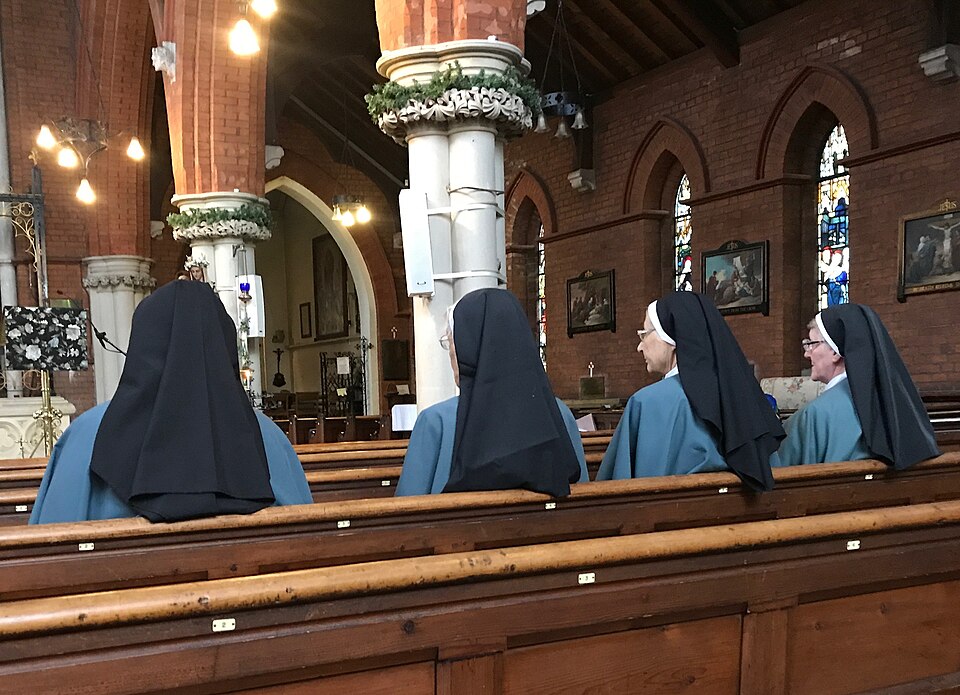
The Community of the Sisters of the Church is an Anglican religious order of women founded in 1870 by Mother Emily Ayckbowm, who also established the Church Extension Association. The sisters dedicate themselves to a vowed life of poverty, chastity, and obedience, operating schools, orphanages, and providing support through ministries like parish work, counselling, and care for abused women and children. The order has a global presence with provinces in Australia, Canada, the Solomon Islands, and the United Kingdom, and is under the patronage of St Michael and All Angels.
Key Facts
- ›Founded in 1870 by Mother Emily Ayckbowm.
- ›The order is part of various Anglican provinces.
- ›Sisters take vows of poverty, chastity, and obedience.
- ›Ministries include education, care for the vulnerable, and parish work.
- ›Has an international network of associates providing support.
- ›Patronage is under St Michael and all Angels.
- Centre In the Solomon Islands For Abused Women and Children
- Network of Associates
- Sister Dorina's Stations of the Cross
Mother Emily Ayckbowm, Sister Dorina Csc, Sister Eudora Csc, Sister Rosalie
- Founding of the Church Extension Association
- Founding of the Community of the Sisters of the Church
- Sister Rosalie Became A Founder of Perth College
- Two Sisters Present At the Wedding of the Prince and Princess of Wales
- Relocation of Uk Mother House To Gerrards Cross
About Community of the Sisters of the Church
The Community of the Sisters of the Church
The Community of the Sisters of the Church is an Anglican religious order for women, founded in 1870 by Mother Emily Ayckbowm. The sisters embrace a vowed life of poverty, chastity, and obedience, and have established a global network of communities dedicated to various ministries. The order traces its origins to the Church Extension Association, also founded by Mother Emily Ayckbowm in 1864, which later evolved into the present-day religious community.
History and Mission
Mother Emily Ayckbowm, the first novice of the order, along with other women discerning a call to religious life, were instrumental in establishing schools and orphanages across England during the late 19th century. The Community of the Sisters of the Church continues this tradition of service, with their ministries encompassing parish and retreat work, counseling, and vital social services. Notably, they operate the only center in the Solomon Islands dedicated to assisting abused women and children. The order is officially under the patronage of St Michael and All Angels.
Global Presence and Structure
The order is organized into provinces, each led by an elected provincial superior and assistant superior, with an overall elected Reverend Mother Superior holding international responsibility. The Community of the Sisters of the Church maintains convents in Australia, Canada, the Solomon Islands, and the United Kingdom. In recent years, their presence has been noted in public events, such as two sisters attending the wedding of the Prince and Princess of Wales in Westminster Abbey in 2012. The order also relies on an extensive international network of associates who provide prayerful and financial support for their endeavors.
Source: Wikipedia ↗
Frequently Asked Questions
When was the Community of the Sisters of the Church founded?
The Community of the Sisters of the Church was founded in 1870. This followed the establishment of the Church Extension Association by Mother Emily Ayckbowm in 1864, which eventually evolved into the religious order.
What is the primary focus of the Sisters of the Church?
The sisters live a vowed life of poverty, chastity, and obedience. Their work involves establishing schools and orphanages, as well as engaging in parish and retreat work, counseling, and supporting victims of abuse.
Where are the convents of the Sisters of the Church located?
The order has provinces and convents in Australia, Canada, the Solomon Islands, and the United Kingdom. Historically, they also had convents in India, Burma, South Africa, and New Zealand.
Who is the patron of the Community of the Sisters of the Church?
The order is under the patronage of St Michael and All Angels. This dedication is reflected in the names of some of their convents, such as St Michael's Convent.
What notable sisters are associated with the order?
Sister Dorina CSC was a notable religious artist in the 1920s and 1930s, known for her Stations of the Cross. Sister Eudora CSC (Bessie te Wenerau Grace) was the first Māori woman to earn a university degree.
How does one become a sister in the order?
A woman feeling called to join must first apply and make several visits. She then progresses through stages as an aspirant, then a novice, and takes vows as a junior sister before committing to life vows.
Related Monasteries

Exeter Cathedral Priory
Exeter Cathedral, officially the Cathedral Church of Saint Peter in Exeter, is an Anglican cathedral located in Exeter, Devon, England. Its present structure was largely completed by 1400, featuring an exceptional uninterrupted medieval stone vaulted ceiling, an astronomical clock, and early misericords. The site has a history stretching back to Roman times, with the cathedral's founding bishop, Leofric, establishing his seat there in 1050.

Burnham Abbey
Burnham Abbey was an Augustinian canonesses regular monastery founded in 1266 by Richard, 1st Earl of Cornwall, near Burnham in Buckinghamshire, England. Despite beginning with around twenty nuns, it was never a wealthy institution and housed only ten by the time of its dissolution in 1539. Since 1916, the surviving buildings have served as the home for the Society of the Precious Blood, an Anglican contemplative community that continues to use the name Burnham Abbey.

Ely Cathedral Priory
Ely Cathedral, originally an abbey founded in 672 by St Æthelthryth, is an Anglican cathedral in Cambridgeshire, England. It evolved from an Anglo-Saxon monastery to a prominent Benedictine abbey before being refounded as a cathedral in 1109. Renowned for its monumental Romanesque architecture, it features a unique central Octagon tower and later additions in Decorated Gothic style, making it a significant historical and architectural landmark.