
Combe Abbey
Cistercian·England·Hotel and Country Park·12th century
Coombe Abbey began as a Cistercian abbey in the 12th century and became the largest and most influential monastery in Warwickshire. Following its dissolution in 1539, it was transformed into a substantial country house, most notably by Sir John Harington. The property remained in the Craven family for centuries, undergoing significant architectural and landscape development, before eventually being acquired by Coventry City Council and its grounds opened as a public country park.
Key Facts
- ›Founded in 1150 as the Abbey of Cumbe by Cistercian monks.
- ›Was the largest and most influential monastery in Warwickshire during the 12th century.
- ›Suppressed in 1539 during the dissolution of monasteries under Henry VIII.
- ›Converted into a country house in the 16th century and later became a hotel.
- ›Its original grounds are now Coombe Country Park, managed by Coventry City Council.
- ›Parts of the 15th-century cloister arcades and the 1180s chapter house doorway survive.
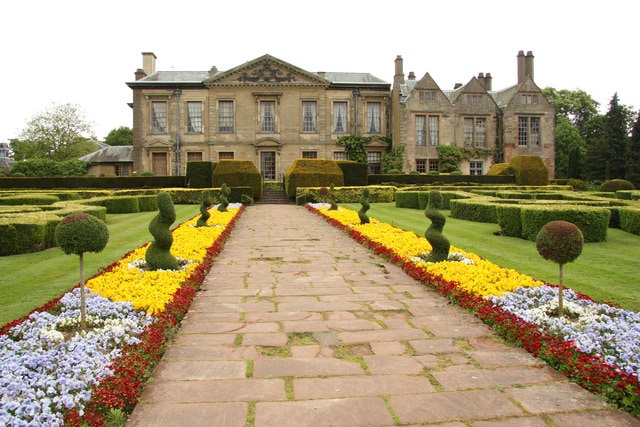
Gothic, Baroque, Victorian
- Surviving 15th-Century Cloister Arcades
- 1180s Chapter House Doorway and Flanking Windows
- Coombe Country Park
- Capability Brown Landscaping
- Hexagonal Tower Inspired By Versailles
Abbey of Cumbe
Richard De Camville, Martin, King Edward Iv, Sir John Harington, Princess Elizabeth, Lord Harington, Ann Dudley, Master John Tovey, Frederick V, Elector Palatine, Lady Elizabeth Craven, William Craven, 1st Earl of Craven, King Charles I, William Winde, Capability Brown, Henry Holland, William Eden Nesfield, Cornelia Countess of Craven, John Grey
- Dissolution of Monasteries Under Henry Viii
- Princess Elizabeth Resided At Coombe Abbey
- Gunpowder Plot Planned To Kidnap Princess Elizabeth From Coombe Abbey
- Capability Brown Modernized the Landscaping
- Coventry City Council Acquired Coombe Abbey and Opened the Park To the Public
About Combe Abbey
Combe Abbey, also known historically as the Abbey of Cumbe, is a significant historical site located in Combe Fields, Warwickshire, England. Its origins trace back to the 12th century when it was established as a Cistercian abbey, rapidly growing to become the largest and most influential monastic institution in the region.
Early History and Abbey Life
The foundation of the abbey in 1150 was made possible by a land grant from Richard de Camville. The Cistercian monks, dedicated to the Blessed Virgin, established a thriving community. Over the centuries, the abbey accumulated considerable land holdings and was known for its charitable practices, including the distribution of food and money to the poor on Maundy Thursday.
Dissolution and Transformation
In 1539, Combe Abbey met the fate of many religious houses during the dissolution of monasteries under Henry VIII. Following its suppression, the abbey was largely dismantled, with its church demolished. However, parts of the original monastic buildings, such as cloister arcades and the chapter house doorway from the 1180s, were preserved.
Conversion to a Country House
After the dissolution, the site underwent a significant transformation into a country house. In 1581, Sir John Harington acquired the property and began its extensive conversion. A notable period in its history as a residence was when Princess Elizabeth, daughter of King James I, lived at Coombe Abbey for five years from 1603. The house also played a role in the events surrounding the Gunpowder Plot of 1605, as the conspirators intended to kidnap the young princess from here.
The Craven Family and Landscape Development
From 1622, Coombe Abbey was owned by the Craven family for approximately three centuries. During their tenure, the house was extensively developed and altered. A key period of enhancement occurred in the late 18th century when the renowned landscaper Capability Brown was commissioned to redesign the grounds, creating the impressive Coombe Pool lake and other picturesque features. Further modifications were made in the 19th century by architects like William Eden Nesfield.
Modern Era
The last Earl of Craven to reside at the abbey sold the property in 1923. In 1964, Coventry City Council purchased Coombe Abbey and its surrounding land. The grounds were subsequently opened to the public in 1966, becoming the popular Coombe Country Park. The former abbey itself now operates as a hotel, preserving elements of its rich and varied past while serving a new purpose.
Source: Wikipedia ↗
Frequently Asked Questions
When was Coombe Abbey founded?
Coombe Abbey was founded in 1150. An advance party of Cistercian monks began the construction of the monastery, which was dedicated to the Blessed Virgin, with Martin becoming its first Abbot.
What was the significance of Coombe Abbey during its time as a monastery?
During its four hundred years of occupation, Coombe Abbey was the largest and most influential monastery in Warwickshire. It was also known for its generosity, distributing gifts of food and money to the poor.
What happened to Coombe Abbey after it was dissolved?
After its dissolution in 1539, the abbey was converted into a country house. The church was demolished, and the remaining structures were adapted for residential use, most notably by Sir John Harington.
Is Coombe Abbey still a monastery today?
No, Coombe Abbey is no longer an active monastery. After its conversion to a country house, it has since become a hotel, and its grounds are now a public park.
What notable historical figures are associated with Coombe Abbey?
Princess Elizabeth, daughter of King James I, lived at Coombe Abbey for five years. The Gunpowder Plot was partially planned with the intention of kidnapping her from the residence. The Craven family also owned the property for three centuries.
What architectural features of the original abbey can still be seen?
Parts of the 15th-century cloister arcades on the north and west sides, as well as the lower section of the east range of buildings, including the doorway and flanking windows of the chapter house from the 1180s, have been preserved within the current structure.
Related Monasteries
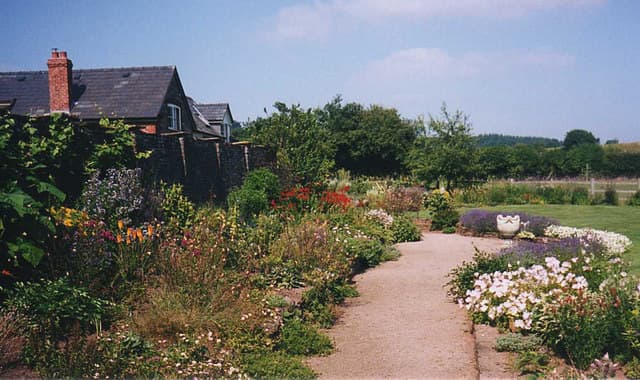
Abbey Dore
Abbey Dore is a village and civil parish in Herefordshire, England, notable for Dore Abbey, a 12th-century Cistercian monastery. The abbey, which underwent significant expansion in the 13th century, forms the core of the village's historical identity. The village's name, adopted in the 18th century, combines 'abbey' with the river name 'Dore'.

Rievaulx Abbey
Rievaulx Abbey was a significant Cistercian monastery in North Yorkshire, England, founded in 1132 and becoming one of the great abbeys in the country. Despite periods of great financial prosperity and expansion, it faced challenges like debt and population decline, leading to a relaxation of its strict observances. The abbey was ultimately dissolved in 1538 under Henry VIII and its impressive ruins are now a major tourist attraction managed by English Heritage.
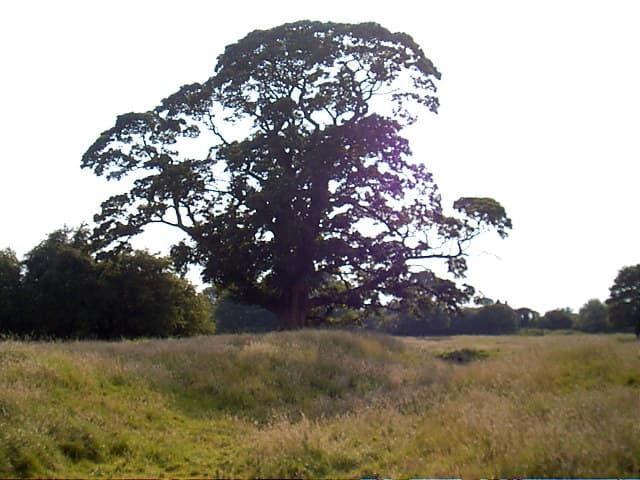
Meaux Abbey
Meaux Abbey was a Cistercian monastery founded in 1151 by William le Gros near Beverley, England. It played a significant role in regional history, notably selling land to King Edward I for the establishment of Kingston upon Hull. The abbey was closed and demolished during the Dissolution of the Monasteries in 1539.