
Châtrices
Châtrices is a commune located in the Marne department in northeastern France. While its name might suggest a monastic connection, historical records and available information primarily define it as a geographical and administrative entity. Its significance lies in its place within the broader landscape of the Marne department.
Key Facts
- ›Châtrices is situated in the Marne department.
- ›The commune is located in the north-eastern region of France.
- ›Its administrative classification is that of a commune.
- ›The name itself has a French pronunciation: [ʃatʁis].

About Châtrices
Châtrices is a commune located within the Marne department in the north-eastern region of France. While the name itself might evoke historical or religious connotations, the available information primarily defines Châtrices as a geographical and administrative entity.
Geographical and Administrative Context
As a commune, Châtrices functions as a basic unit of local government in France. Its placement within the Marne department situates it in a specific administrative and historical region of the country. The name is pronounced in French as [ʃatʁis].
Significance
The significance of Châtrices lies in its contribution to the administrative map of the Marne department and its role within the broader French landscape. Further historical or cultural details beyond its classification as a commune and its geographical location are not extensively documented in available records.
Source: Wikipedia ↗
Frequently Asked Questions
Where is Châtrices located?
Châtrices is a commune situated in the Marne department, which is in the north-eastern part of France.
What is the pronunciation of Châtrices?
The French pronunciation of Châtrices is [ʃatʁis].
What administrative division does Châtrices belong to?
Châtrices is classified as a commune, a fundamental administrative division in France.
Related Monasteries
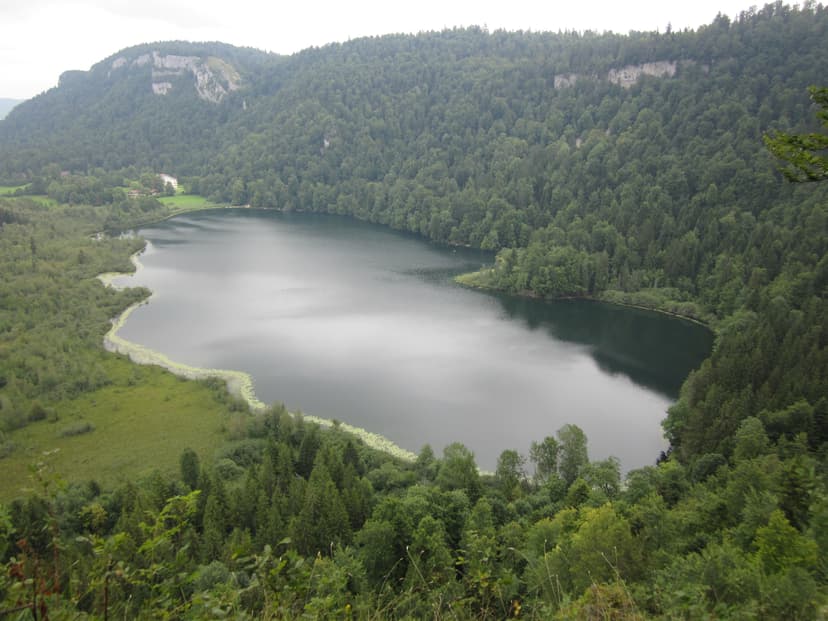
Bonlieu
Bonlieu is a commune located in the Jura department within the Bourgogne-Franche-Comté region of eastern France. Its history and significance are primarily defined by its administrative and geographical context within this French region. Further details regarding its specific historical development, cultural impact, or notable landmarks are not extensively documented in the provided information.

Gaussan Abbey
Gaussan Abbey, originally established as a Cistercian grange in the 12th century, was later re-established as a Benedictine monastery in 1994. Situated in Bizanet, Aude, France, it became an abbey in 2004 and is part of the Solesmes Congregation, known for its focus on Gregorian chant and the Tridentine Mass. The monks also engage in wine production.

Koenigshoffen Charterhouse
The Koenigshoffen Charterhouse, originally founded in 1335 near Strasbourg, was destroyed in 1591. Its community found refuge in Molsheim and began building a new monastery in 1626, integrating it into the urban fabric. This new charterhouse became a significant religious and cultural center known for its stained glass, library, and medicinal products, active until the French Revolution when it was secularized and partially demolished. Today, the remaining structures house the Musée de la Chartreuse.