
Caldwell Priory
Caldwell Priory was a monastic house for Canons of the Holy Sepulchre located in Bedfordshire, England, active from around 1154 until its dissolution in 1536. Situated on the south bank of the River Great Ouse, its early history and founder remain obscure, with traditions pointing to various noble families. Despite its modest financial standing throughout its existence, the priory played a role in local events and was subject to several episcopal visitations that addressed issues of discipline and poverty.
Key Facts
- ›Founded between the reigns of Stephen and Henry II (C. 1154).
- ›Belonged to the Canons of the Holy Sepulchre, an order distinct from other Augustinians primarily by a scarlet badge.
- ›Possessed several churches and lands in Bedfordshire, Buckinghamshire, and Leicestershire.
- ›Assisted King Henry III with materials for siege engines during the siege of Bedford Castle in 1224.
- ›Surrendered in 1536 under the Dissolution of the Lesser Monasteries Act due to its modest income.
- ›The original priory buildings were replaced by a house in the 19th century, which has since been demolished.
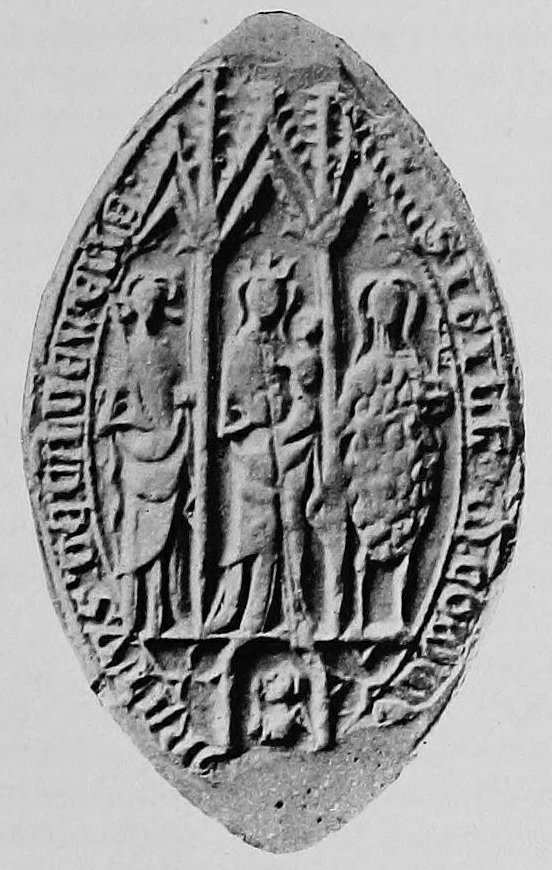
Dedication To St. John Baptist, Scarlet Badge Worn By Its Canons
Simon Barescote, Robert De Brus, 2nd Lord of Annandale, Bishop GrossetêTe, Bishop Buckingham, Bishop Repingdon, Bishop Grey, Bishop Longland
- Assisted King Henry Iii During the Siege of Bedford Castle
- Surrendered Under the Dissolution of the Lesser Monasteries Act
About Caldwell Priory
Caldwell Priory was a monastic institution situated in Bedfordshire, England, that served the Canons of the Holy Sepulchre. Active from approximately 1154 until its dissolution in 1536, the priory was located in the southwestern part of Bedford, along the south bank of the River Great Ouse.
History and Origins
The precise origins of Caldwell Priory are not clearly documented, with its earliest charters of endowment dating from the reign of Henry II but remaining undated. Evidence suggests its foundation occurred early in Henry II's reign or possibly during that of Stephen. The identity of the founder remains unknown, with historical accounts offering contradictory traditions, mentioning figures like Simon Barescote and the Beauchamps or Beaumonts.
The priory initially belonged to the Canons of the Holy Sepulchre and was dedicated to St. John Baptist. After the 13th century, it appears to have been largely indistinguishable from other Augustinian houses, with the Canons of the Holy Sepulchre differing primarily in name and the scarlet badge worn on their cloaks. They likely followed the same rule, as evidenced by instances where canons from Dunstable Priory were invited to serve as priors at Caldwell.
Property and Finances
At the beginning of the 13th century, Caldwell Priory held jurisdiction over several churches, including Bromham, Roxton, Sandy, and Oakley with the chapel of Clapham. By 1291, its holdings extended to Marsworth and Broughton in Buckinghamshire, and Arnesby in Leicestershire, with Tolleshunt Major in Essex added later. The priory's temporal possessions were predominantly within Bedfordshire and were never extensive, valued at less than £50 in 1291. By 1535, the priory's clear income was £109 8s. 5d., which contributed to its surrender under the Dissolution of the Lesser Monasteries Act.
Role and Visitations
Caldwell Priory was involved in local events, notably assisting King Henry III during the siege of Bedford Castle in 1224 by providing materials for siege engines. The canons maintained amicable relations with those of Dunstable Priory, with advice from Dunstable's prior influencing the resignation of Caldwell's Prior Eudo before a visitation by Bishop Grossetête. Subsequent visitations by Bishops Buckingham, Repingdon, Grey, and Longland addressed various issues, including obedience, silence, the proper administration of goods, and, at times, laxity in discipline such as visiting taverns in Bedford or Elstow Abbey. Bishop Longland notably accused the house of no greater fault than poverty.
Dissolution and Later History
In 1535, the prior, Thomas Dey, along with six canons and two lay brothers, subscribed to the Royal Supremacy. Due to its modest income, the priory was surrendered in 1536. After the dissolution, the 306-acre site and buildings were leased and sold in 1563. The priory structures are believed to have survived into the 19th century before being replaced by a new house, which was subsequently demolished between 1926 and 1967. The site is now a mix of housing and brownfield land.
Source: Wikipedia ↗
Frequently Asked Questions
When was Caldwell Priory founded?
The exact founding date of Caldwell Priory is not precisely known, but historical records suggest it was established early in the reign of King Henry II, possibly around 1154, or perhaps during the reign of King Stephen.
What religious order did Caldwell Priory belong to?
Caldwell Priory was a house of the Canons of the Holy Sepulchre. This order was similar to other Augustinian houses, differing mainly in name and the distinctive scarlet badge worn on their cloaks.
What was the financial status of Caldwell Priory?
The priory's financial resources were generally modest. In 1291, its temporal possessions were valued at less than £50, and by 1525, it was described as a 'very poor place,' contributing only £20 to a royal loan.
What happened to Caldwell Priory after its dissolution?
Following its surrender in 1536, the priory site and buildings were leased and then sold in 1563. The original structures were eventually replaced by a 19th-century house, which was later demolished, leaving the site as a mix of housing and former industrial land.
Were there any notable events during Caldwell Priory's history?
During the siege of Bedford Castle in 1224, the canons aided the king by providing materials for siege engines. The priory also experienced several visitations by bishops, which addressed issues of monastic discipline and the administration of its goods.
Related Monasteries
Aldgate Priory
Holy Trinity Priory, also known as Christchurch Aldgate, was an Augustinian priory founded around 1108 by Queen Matilda of Scotland near Aldgate in London. It held significant ties to English royalty, with several queens maintaining a close relationship with the priory and some royal children buried there. The priory was a center of learning in the 12th century and played a role in civic life, with its prior serving as an Alderman of London. It was dissolved in 1532 and its buildings have since been largely lost, with only remnants surviving.

Ankerwycke Priory
Ankerwycke Priory was a small and relatively poor Benedictine nunnery established around 1160 in Buckinghamshire, England. Dedicated to St. Mary Magdalene, it held lands across several counties. Dissolved in 1536, its revenues were transferred to Bisham Abbey, and the priory site later saw the construction of a manor house. Today, only a small section of ruins remains, situated in Berkshire.

Arthington Priory
Arthington Priory was an English monastery for nuns of the Cluniac congregation, located in Arthington, West Yorkshire, and founded in the mid-12th century. It was one of only two Cluniac nunneries in England. The priory experienced periods of disciplinary issues among its nuns and prioresses, as documented by Archbishop William Greenfield's visits and injunctions. Following the Dissolution of the Monasteries under Henry VIII, the priory was surrendered in 1540, and its lands were eventually granted to Archbishop Thomas Cranmer. Today, little remains of the original priory structures, with a residence known as Arthington Hall built on the site around 1585, and the priory church potentially occupied by a farmhouse named The Nunnery.