
Blackmoor Priory Hermitage
Blackmoor Priory Hermitage was an Augustinian monastic site located in the village of Hermitage, Dorset, England. The hermitage lent its name to the village, and its monks abandoned the site during the 14th or 15th century. The Lady's Well, a remnant of their occupation, still exists near the village.
Key Facts
- ›Founded by Augustinian monks.
- ›The hermitage's name is the origin of the village name, Hermitage.
- ›The monastic site was abandoned in the 14th or 15th century.
- ›The Lady's Well, used by the monks, remains on the edge of woodland.
- ›Located in the Blackmore Vale, Dorset, England.
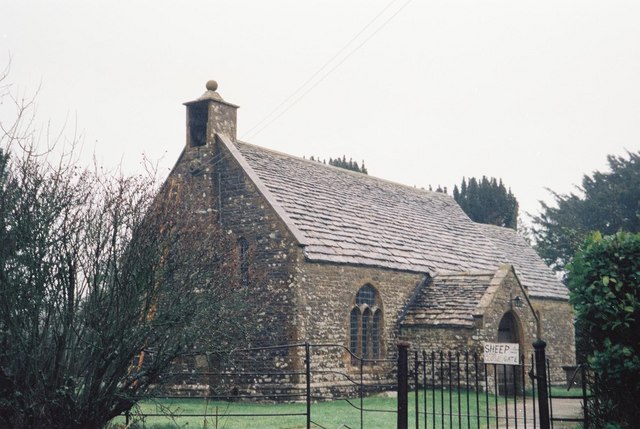
Lady's Well
Blackmoor Priory Hermitage
- Abandonment of the Site In the 14th Or 15th Century.
About Blackmoor Priory Hermitage
Blackmoor Priory Hermitage was an Augustinian monastic establishment that once stood in what is now the village of Hermitage, Dorset, England. The hermitage is historically significant as it lent its name to the village itself, highlighting its foundational role in the local area. The monks who resided here were part of the Augustinian order, known for their adherence to the Rule of Saint Augustine.
History and Significance
The exact founding date of Blackmoor Priory Hermitage is not preserved in historical records. However, it is known that the Augustinian monks who occupied the site eventually abandoned it. This abandonment occurred during the 14th or 15th century, a period that saw significant changes in monastic life across England, often influenced by factors such as the Black Death and shifting economic conditions. Despite the monastic community's departure, a tangible remnant of their presence endures: the Lady's Well. This well, which the monks utilized, can still be found on the edge of woodland a short distance from the modern village of Hermitage, serving as a quiet testament to the site's ecclesiastical past.
Source: Wikipedia ↗
Frequently Asked Questions
What religious order founded Blackmoor Priory Hermitage?
Blackmoor Priory Hermitage was founded by Augustinian monks. This order is known for its blend of monastic and regular clerical life.
When was Blackmoor Priory Hermitage abandoned?
The Augustinian monks abandoned the site of Blackmoor Priory Hermitage sometime in the 14th or 15th century. The exact year of abandonment is not precisely recorded.
What remains of Blackmoor Priory Hermitage today?
The most notable remaining feature is the Lady's Well, which the monks used. It is situated on the edge of woodland not far from the village of Hermitage.
Where is Blackmoor Priory Hermitage located?
Blackmoor Priory Hermitage was situated in the village of Hermitage in Dorset, southern England. It was located in the Blackmore Vale, south of the town of Sherborne.
Related Monasteries
Aldgate Priory
Holy Trinity Priory, also known as Christchurch Aldgate, was an Augustinian priory founded around 1108 by Queen Matilda of Scotland near Aldgate in London. It held significant ties to English royalty, with several queens maintaining a close relationship with the priory and some royal children buried there. The priory was a center of learning in the 12th century and played a role in civic life, with its prior serving as an Alderman of London. It was dissolved in 1532 and its buildings have since been largely lost, with only remnants surviving.

Ankerwycke Priory
Ankerwycke Priory was a small and relatively poor Benedictine nunnery established around 1160 in Buckinghamshire, England. Dedicated to St. Mary Magdalene, it held lands across several counties. Dissolved in 1536, its revenues were transferred to Bisham Abbey, and the priory site later saw the construction of a manor house. Today, only a small section of ruins remains, situated in Berkshire.

Arthington Priory
Arthington Priory was an English monastery for nuns of the Cluniac congregation, located in Arthington, West Yorkshire, and founded in the mid-12th century. It was one of only two Cluniac nunneries in England. The priory experienced periods of disciplinary issues among its nuns and prioresses, as documented by Archbishop William Greenfield's visits and injunctions. Following the Dissolution of the Monasteries under Henry VIII, the priory was surrendered in 1540, and its lands were eventually granted to Archbishop Thomas Cranmer. Today, little remains of the original priory structures, with a residence known as Arthington Hall built on the site around 1585, and the priory church potentially occupied by a farmhouse named The Nunnery.