
Basilian
Eastern Christian·Historical Region·Active (monastic tradition)·4th century
The Basilian monks are Eastern Christian monks who adhere to the Rule of Basil the Great, a collection of responses on ascetic life rather than a single document. This rule, emphasizing cenobitical life, work, and hospitality, forms the basis for much Eastern Orthodox and some Greek Catholic monasticism. While widely followed in the East, the term "Basilian" is primarily used by the Catholic Church to distinguish these monks from others.
Key Facts
- ›Follow the Rule of Basil the Great, a compilation of ascetic principles.
- ›Emphasize cenobitical life over eremitical, advocating for monasteries near towns.
- ›The Rule emphasizes work as integral to monastic life, for its own sake and for charity.
- ›The Rule's prudence and wisdom leave details of daily life to superiors.
- ›Key virtues include poverty, obedience, renunciation, and self-abnegation.
- ›Influenced Western monasticism, serving as a major source for the Rule of St. Benedict.
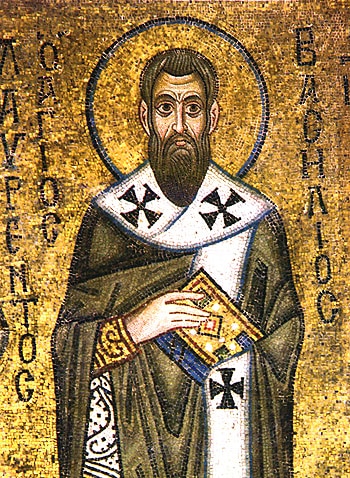
- Rule of Basil the Great
- Emphasis On Cenobitical Life and Work
- Influence On Eastern Orthodox and Greek Catholic Monasticism
- Foundation For Western Monastic Rules, Including Rule of St. Benedict
Asketikon
Basil the Great, Gregory Nazianzen, Benedict of Nursia, Rufinus, Theodore the Studite, Platon, Pope John Paul Ii, Cyril of Jerusalem, Methodius of Thessalonica
- Founding of the First Basilian Monastery In Cappadocia
- Translation of the Rule Into Latin By Rufinus
- Spread of Basilian Monasticism Throughout the East
- Monks Taking Active Roles In Ecclesiastical Life and Councils
- Destruction of Many Monasteries During the Muslim Conquest
About Basilian
What is known about the Basilians
The Basilian monks are a tradition of Eastern Christian monks who follow the Rule of Basil the Great (also known as the Asketikon). Basil the Great, bishop of Caesarea in the 4th century, developed a monastic system that remains the blueprint for much of Eastern Orthodox and some Greek Catholic monastic life. Unlike many Western monastic rules, the Asketikon is not a single, codified document but rather a compilation of Basil's responses to ascetic and practical questions posed by monks.
Basil established his first monastery around 356 on the Iris River in Cappadocia, after investigating monastic practices in Egypt, Syria, and Palestine. He deliberately steered a course away from extreme physical austerities and eremitical isolation, advocating instead for cenobitical life as superior. His rule emphasizes that monasteries should be located near towns to facilitate work and hospitality, and that work itself is an integral part of monastic existence, pursued for its own sake and for the benefit of others. Key virtues championed by the Basilian Rule include poverty, obedience, renunciation, and self-abnegation.
The Asketikon's influence extended to the West, where it served as a significant source for Benedict of Nursia's Regula Benedicti. While the term "Basilian" is primarily used within the Catholic Church to distinguish Greek Catholic monks, all Eastern Orthodox monks adhere to Basil's principles. The tradition fostered intellectual and artistic life, with monks contributing to scripture copying, manuscript illumination, and theological scholarship. Notable figures associated with this monastic tradition include Basil the Great himself, Gregory Nazianzen, Theodore the Studite, and later missionaries like Cyril and Methodius.
Source: Wikipedia ↗
Frequently Asked Questions
What is the "Rule of St. Basil"?
The "Rule of St. Basil" is not a single document but a collection of Basil the Great's responses to questions about the ascetic Christian life, also known as the Asketikon. It provides principles for monastic conduct, emphasizing virtues like poverty, obedience, and self-abnegation.
What is the difference between Basilian monks and other Eastern Orthodox monks?
In the Eastern Orthodox Church, all monks follow the Rule of Saint Basil, so they do not distinguish themselves as "Basilian." The term "Basilian" is typically used within the Catholic Church to differentiate Greek Catholic monks from other monastic traditions.
What are the core principles of the Basilian Rule?
The Basilian Rule champions cenobitical life as superior to solitary living, advocating for monasteries to be situated near towns to facilitate work and hospitality. It stresses that fasting and austerities should not impede prayer or work, and that work itself is an essential component of monastic existence.
How did St. Basil develop his monastic rule?
St. Basil traveled to investigate monastic life in Egypt, Syria, and Palestine before founding his monastery in Cappadocia around 356. He formulated his Asketikon based on his observations, deliberately opposing extreme austerities and promoting a balanced monastic life.
What is the significance of the Basilian Rule for Western monasticism?
The Rule of St. Basil was translated into Latin and significantly influenced Western monasticism. It served as a major source for Benedict of Nursia's Regula Benedicti, making it a foundational text for much of Western monastic tradition.
Related Monasteries

St. Menas Coptic Orthodox Monastery
The Monastery of Saint Mina is a significant Coptic Orthodox monastery located in the Western Desert near Alexandria, Egypt. It is dedicated to Saint Menas, a martyr revered as the 'Wonders' Maker'. The modern monastery, established in 1959, is situated near the extensive ruins of the ancient pilgrimage city of Abu Mena, which flourished from the late 4th century until its destruction in the 7th century.

St. Paul the Anchorite Coptic Orthodox Monastery
The Monastery of Saint Paul the Anchorite is a Coptic Orthodox monastery in Egypt, founded in the fourth century over the cave where Saint Paul lived for over eighty years. It has a long and often tumultuous history, suffering multiple attacks by Bedouin tribes, leading to periods of desertion and subsequent repopulation. The monastery is known for its ancient churches, including one built into the saint's cave, and significant illustrated manuscripts.
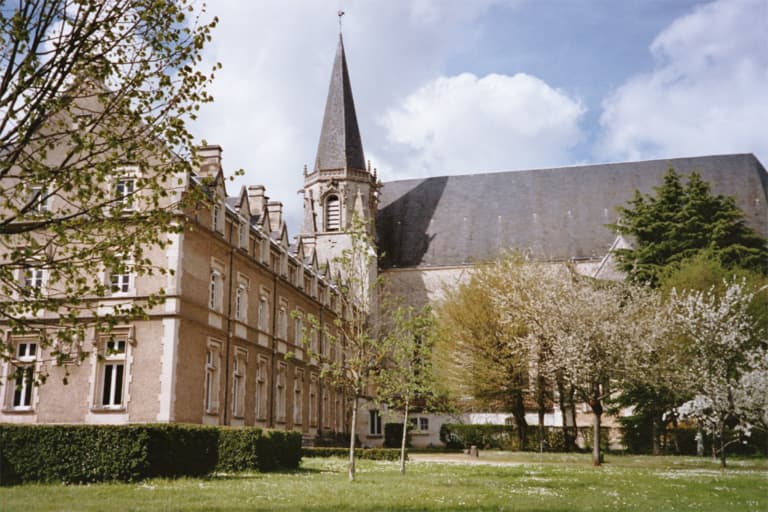
Ligugé Abbey
Ligugé Abbey, officially the Abbey of St. Martin of Ligugé, is a Benedictine monastery in France recognized as the oldest in western Europe, initially founded in 361. Despite destruction during the French Revolution, monastic life was restored in 1853, and it now belongs to the Solesmes Congregation. The abbey is known for its historical significance, its connection to Saint Martin of Tours, and its role in preserving monastic traditions.