
Asmild Abbey
Augustinian·Denmark·Ruins/Remnants·12th century
Asmild Abbey was a house of Augustinian canonesses in north central Jutland, Denmark, active from 1165 until the Reformation in 1536. It was closely connected to the Augustinian canons at Viborg Cathedral. The abbey's history is marked by its predating church, the murder of a bishop within its walls, and eventual dissolution, with its buildings later serving as an estate farm and undergoing multiple fires and reconstructions.
Key Facts
- ›Founded in 1165 as a house for Augustinian canonesses.
- ›Connected to the Augustinian canons of Viborg Cathedral.
- ›The associated Asmild Church predates the abbey, originating as a parish church around 1090.
- ›The church was the site of the murder of Bishop Eskild of Viborg in 1133.
- ›Suffered a fire in the MID-14th century, leading to rebuilding on a smaller scale.
- ›Dissolved in 1536 following the Reformation, with buildings later becoming an estate farm.
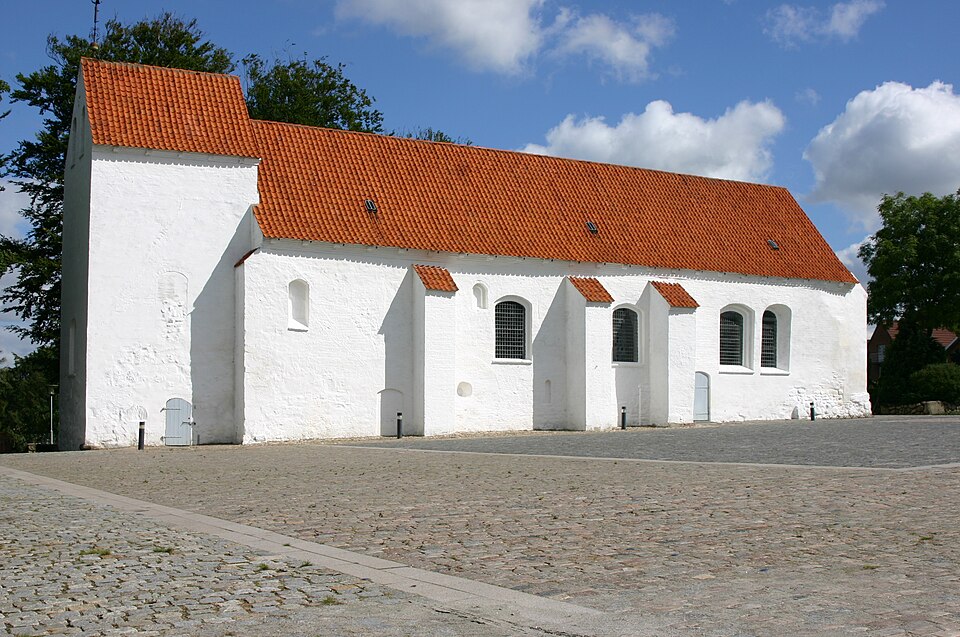
Romanesque, Gothic
Stone-Lined Well, Asmild Church, 15th-Century Bell
Bishop Eskild of Viborg, King Olaf I of Denmark, King Eric Ii of Denmark, King Niels of Denmark, Stygge Krumpen
- Murder of Bishop Eskild of Viborg
- Fire Destroying the 'Old' Cathedral and Abbey
- Dissolution of the Abbey
- Abbey Buildings Turned Into An Estate Farm
- Abbey Burned Down
- Abbey Buildings Became Property of Viborg County
- Abbey Buildings Burned Down Again
About Asmild Abbey
Asmild Abbey was a significant religious institution for Augustinian canonesses in north central Jutland, Denmark, operating from its founding in 1165 until its dissolution in 1536 with the advent of the Reformation. The abbey maintained close ties with the Augustinian canons serving at Viborg Cathedral, playing a role in the region's spiritual and educational life. The canonesses were primarily engaged in daily prayers, meditation, and the education of young women from noble families, supported by lay workers.
History and Architecture
The abbey's associated church, Asmild Church, predates the monastic foundation, having originated as a parish church dedicated to Saint Margaret of Antioch around 1090. This Romanesque structure, built of granite and limestone with rounded arches and few windows, served as Viborg's cathedral until a new one was completed in 1133. A notable event in the church's history was the murder of Bishop Eskild of Viborg in front of its main altar in 1133, an act attributed to King Eric II of Denmark.
Construction of the abbey itself began in 1165, situated to the south of the church, which then served as the abbey's north range within a quadrilateral layout. By the 13th century, expansions introduced Gothic architectural elements, including pointed windows and arches, to parts of the complex. The mid-14th century saw a fire that necessitated rebuilding on a smaller scale, possibly due to stricter rules and reduced income. Surviving records are sparse, with only a single letter of gift from 1346 and the last mention of the abbey in 1461 before its dissolution.
Dissolution and Legacy
The Reformation in 1536 marked the end of Asmild Abbey. While the nuns were allowed to remain until their deaths without income, the abbey's estate came under crown control and was later granted to Stygge Krumpen as an income property. The buildings were converted into an estate farm known as Asmild Kloster Farm, which eventually passed into private ownership. The structures faced further destruction through fires in 1713 and 1907, with only a surviving wing being torn down in 1958. Today, the primary remnants of Asmild Abbey are the stone-lined well, Asmild Church, and a 15th-century bell.
Source: Wikipedia ↗
Frequently Asked Questions
When was Asmild Abbey founded?
Asmild Abbey was founded in 1165. Its associated church, however, had its beginnings as a parish church around 1090.
What religious order was associated with Asmild Abbey?
Asmild Abbey was a house of Augustinian canonesses. It had close ties to the Augustinian canons at Viborg Cathedral.
What significant historical events are associated with Asmild Abbey or its church?
A significant event was the murder of Bishop Eskild of Viborg in front of the main altar of the Asmild church in 1133. The abbey was also dissolved in 1536 due to the Reformation.
What remains of Asmild Abbey today?
The only remnants of the abbey today are a stone-lined well, the Asmild Church, and one of its 15th-century bells.
What happened to the abbey buildings after its dissolution?
After dissolution, the abbey buildings were turned into an estate farm called Asmild Kloster Farm. The buildings underwent several fires and reconstructions before most were eventually torn down.
Related Monasteries
Runcorn Priory
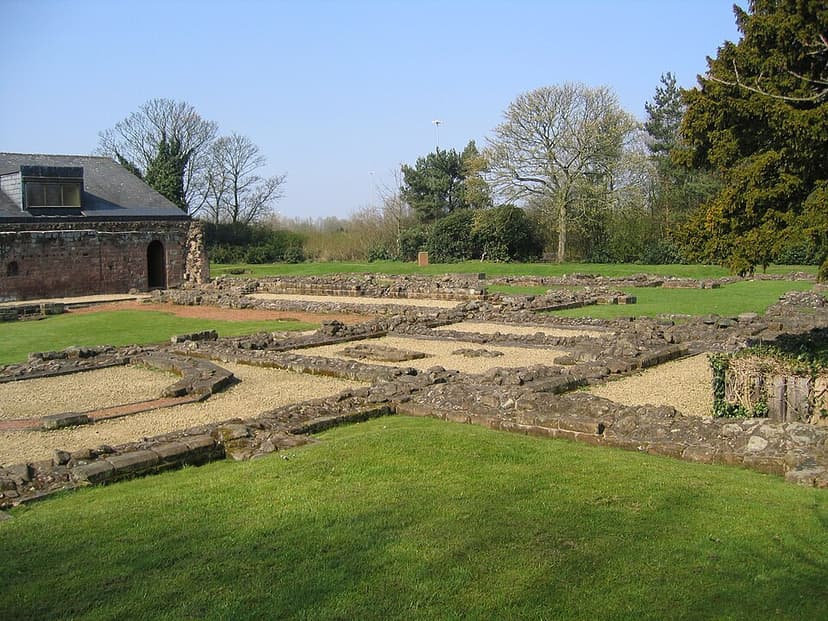
Norton Priory is a significant historical site in Norton, Runcorn, England, featuring the remains of an Augustinian priory founded in the 12th century and elevated to an abbey in 1391. Closed during the dissolution of the monasteries in 1536, its surviving structures were incorporated into later country houses. Extensive excavations have revealed important monastic artifacts, and the site now operates as a museum and visitor attraction, preserving its rich history for the public.

Chancelade
Chancelade Abbey is an Augustinian monastery located in Chancelade, France, founded in 1129. It endured significant damage during the Hundred Years' War and the French Wars of Religion but was restored in 1623 by Alain de Solminihac. Today, a contemporary monastic community occupies some buildings and has completed new facilities.
Chancelade Abbey
Chancelade Abbey, officially Abbaye Notre-Dame de Chancelade, is an Augustinian monastery located in Chancelade, France. Founded in 1129, it has a history marked by significant damage during the Hundred Years' War and the French Wars of Religion, followed by restoration efforts in the 17th century. Today, a contemporary monastic community occupies some of its buildings and has established a new community house.