
Armenia
Armenia is a landlocked country in the Armenian Highlands of West Asia, known for its ancient history and as the first state to adopt Christianity as its official religion in AD 301. It has experienced periods of independence and rule by various empires, including the Byzantine, Persian, Ottoman, and Russian Empires. Modern Armenia is a democratic nation-state that became independent in 1991 after being incorporated into the Soviet Union.
Key Facts
- ›Officially the Republic of Armenia, it is situated in the Armenian Highlands of West Asia.
- ›Became the first state in the world to adopt Christianity as its official religion in AD 301.
- ›The Armenian Apostolic Church is recognized as the world's oldest national church.
- ›The capital and largest city is Yerevan, founded in 782 BC.
- ›Has a history spanning millennia, with evidence of human activity dating back over a million years.
- ›Experienced periods of rule by empires including the Byzantine, Persian, Ottoman, and Russian Empires.

- World's Oldest National Church
- World's Earliest Known Leather Shoe, Skirt, and Wine-Producing Facility
- Yerevan, One of the World's Oldest Continuously Inhabited Cities
Republic of Armenia, Hayastan
Hayk, Tigranes the Great, Gregory the Illuminator, Mesrop Mashtots, King Argishti I
- Adoption of Christianity As State Religion
- Invention of the Armenian Alphabet
- Armenian Genocide
- Declaration of Independence From the Soviet Union
About Armenia
Overview of Armenia
Armenia, officially the Republic of Armenia, is a landlocked country situated in the Armenian Highlands of West Asia, forming part of the Caucasus region. It boasts an ancient and rich history, notably recognized as the first state in the world to adopt Christianity as its official religion in AD 301. This pivotal event cemented the enduring significance of the Armenian Apostolic Church, acknowledged as the world's oldest national church.
Historical Trajectory
The Armenian highlands have been inhabited for millennia, with evidence of human activity dating back over a million years. The first Armenian state, Urartu, was established in 860 BC. Over centuries, Armenia experienced periods of both independence and subjugation under various empires, including the Byzantine, Persian, Ottoman, and Russian Empires. The Kingdom of Armenia reached a zenith of power under Tigranes the Great in the 1st century BC. The nation's modern history includes its incorporation into the Soviet Union and its subsequent declaration of independence in 1991, establishing it as a democratic nation-state.
Cultural and Geographical Significance
The capital and largest city is Yerevan, founded in 782 BC, making it one of the world's oldest continuously inhabited cities. The country's strategic location has made it a crossroads of civilizations and a site of conflict and cultural exchange. Significant cultural developments include the invention of the Armenian alphabet by Mesrop Mashtots around 405 AD, which played a crucial role in preserving Armenian identity and literature.
Modern Identity
Modern Armenia is a unitary, multi-party, democratic nation-state. Despite its geographical location in the South Caucasus, it often views itself and is geopolitically considered part of Europe. The country has faced profound historical traumas, including the Armenian Genocide during World War I, which resulted in the systematic extermination of up to 1.5 million Armenians. Armenia continues to navigate its position in the complex geopolitical landscape of the region, striving for development and preserving its distinct cultural heritage.
Source: Wikipedia ↗
Frequently Asked Questions
What is the origin of the name 'Armenia'?
The native Armenian name for the country is Hayk, which became Hayastan in the Middle Ages with the addition of the Persian suffix '-stan'. The exonym 'Armenia' is found in Old Persian inscriptions and Ancient Greek texts. Scholars link it to early Bronze Age states like Armani or the Late Bronze Age state of Arme, possibly meaning 'inhabitant of Arme'.
When did Armenia become Christian?
Christianity first appeared in Armenia in the 1st century AD. Under the influence of Gregory the Illuminator, King Tiridates III proclaimed Christianity as the state religion in 301 AD, making Armenia the first officially Christian state.
What were the major historical periods of Armenian statehood?
Key periods include the first Armenian state of Urartu (860 BC), the Kingdom of Armenia under Tigranes the Great (1st century BC), the Bagratid Kingdom (9th century), Cilician Armenia (11th-14th centuries), and the First Republic of Armenia (1918-1920).
What is the significance of Yerevan?
Yerevan is the capital and largest city of Armenia. Archaeological evidence indicates it was founded in 782 BC by King Argishti I, making it one of the world's oldest continuously inhabited cities.
What historical events significantly impacted Armenia?
Major events include the adoption of Christianity, the invention of the Armenian alphabet, periods of rule and division by empires, the Armenian genocide during World War I, and its incorporation into and subsequent independence from the Soviet Union.
Related Monasteries

Abbey of la Pierre-qui-Vire
The Abbey of la Pierre-qui-Vire is a Benedictine monastery founded in 1850 in the Morvan forests of France. Named after a large, historically mobile stone, the abbey was established by Father Jean-Baptiste Muard and became part of the Subiaco Congregation. Despite periods of exile due to anti-clerical legislation, the community was re-established and is today known for its cheese production and its publishing house, Éditions Zodiaque, which specializes in Romanesque art.
Abbey of New Clairvaux
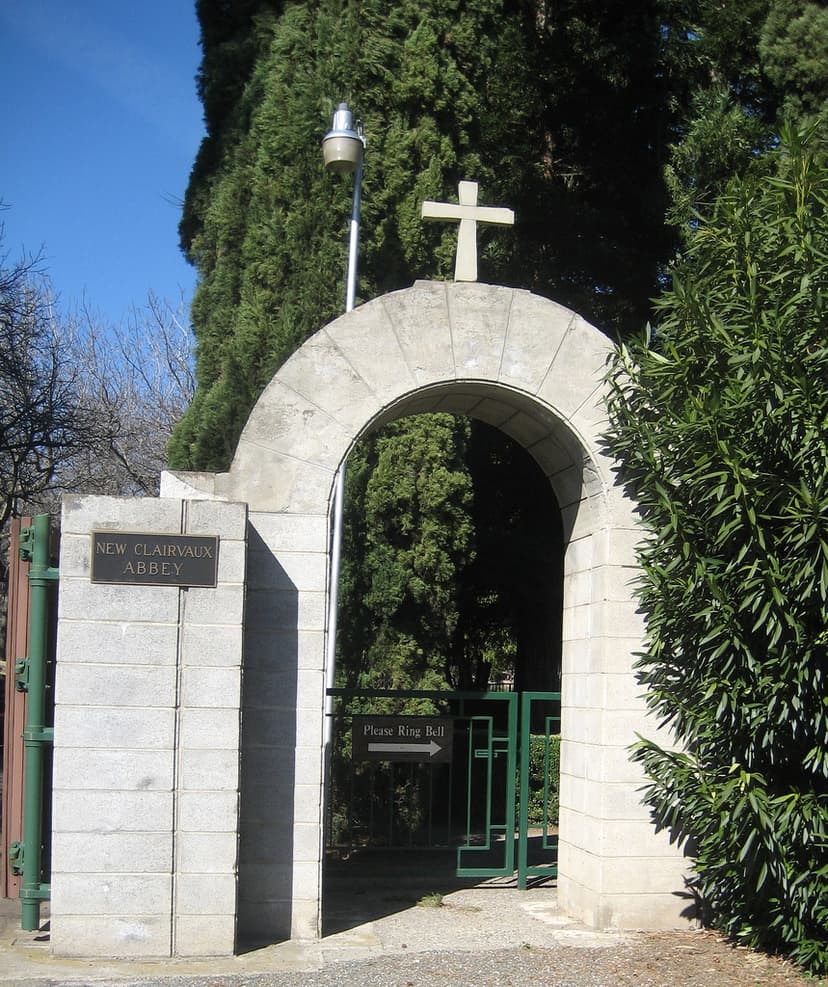
The Abbey of New Clairvaux is a rural Trappist monastery established in 1955 by monks seeking a California foundation. Known for its austere contemplative life and the reconstruction of an 800-year-old Spanish chapter house, the abbey also cultivates prunes, walnuts, and grapes, and produces wine and Trappist-style beers. The community is part of the Cistercians of the Strict Observance.

Abbey of Saint-Michel-de-Cuxa
The Abbey of Saint-Michel-de-Cuxa is a historic Benedictine monastery located in southwestern France, originally founded in 840 and refounded at its current site in 878 after a flood. It played a significant role as a cultural center, particularly under Abbot Oliba, and its 12th-century architectural fragments are now part of The Cloisters museum in New York City. After periods of disrepair and nationalization during the French Revolution, the abbey was refounded in the 20th century and continues to be a site of religious and cultural importance.