
Antonite
The Hospital Brothers of Saint Anthony, also known as Antonites, were a Roman Catholic congregation founded around 1095. Their primary mission was to care for those suffering from Saint Anthony's fire, a common medieval disease. The order grew significantly, establishing numerous hospitals across Europe and even caring for the papal household, but its influence waned with the Reformation and a better understanding of the disease's cause, eventually leading to its suppression.
Key Facts
- ›Founded around 1095 by Gaston of Valloire and his son.
- ›Officially sanctioned as a monastic order in 1218 and adopted the Rule of St. Augustine in 1248.
- ›Specialized in caring for victims of Saint Anthony's fire (ergotism).
- ›At its peak in the 15th century, the congregation operated approximately 370 hospitals.
- ›United with the Knights of Malta in 1777 and suppressed during the French Revolution and subsequent secularization.
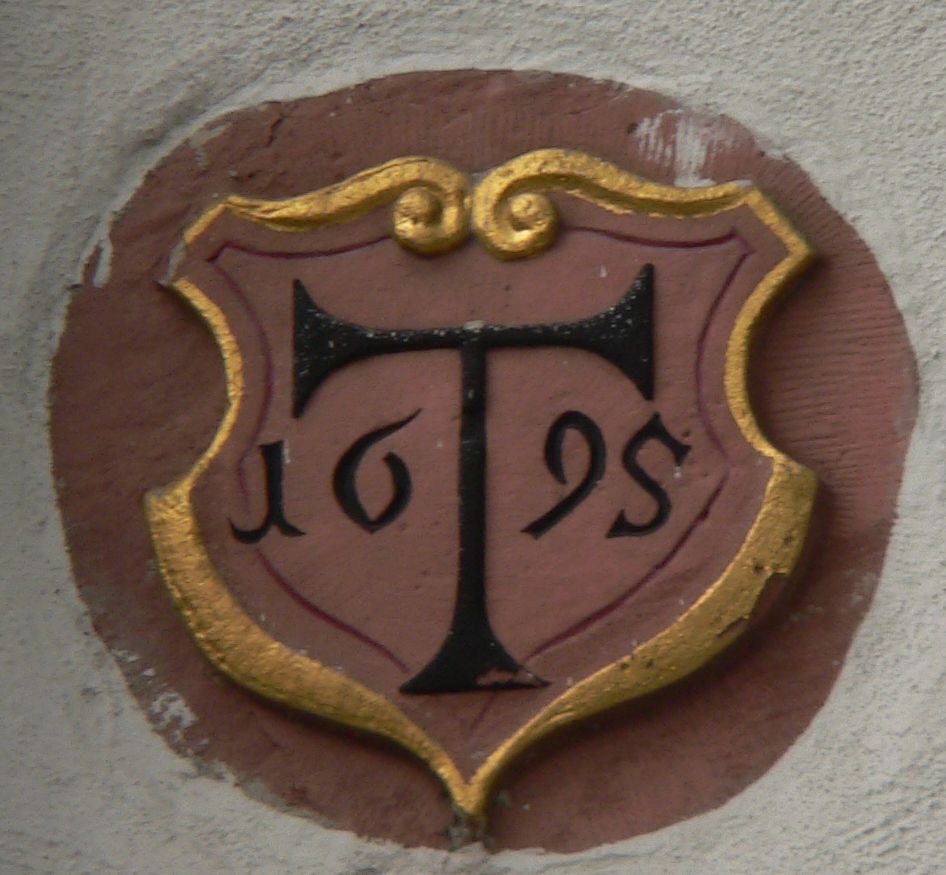
Mother Abbey: Saint-Antoine-L'Abbaye, Wore A Black Habit With A Blue Tau Cross
Hospital Brothers of Saint Anthony, Order of Saint Anthony, Canons Regular of Saint Anthony of Vienne, Canonici Regulares Sancti Antonii, Crsant, Antonines
Gaston of Valloire, Pope Urban Ii, Pope Honorius Iii, Pope Boniface Viii
- Confirmation By Pope Urban Ii
- Sanctioned As A Monastic Order By Pope Honorius Iii
- Adopted the Rule of St. Augustine and Constituted Canons Regular By Pope Boniface Viii
- United With the Knights of Malta
- Suppressed During the French Revolution and Subsequent Secularization
About Antonite
The Antonites: Guardians Against Saint Anthony's Fire
The Hospital Brothers of Saint Anthony, commonly known as the Antonites, were a significant congregation within the Roman Catholic Church, established around 1095. Founded by Gaston of Valloire and his son, the order's primary purpose was to provide care for those afflicted by Saint Anthony's fire, a painful and widespread medieval disease, believed to be ergotism. The mother abbey, Saint-Antoine-l'Abbaye, served as the center for their charitable works.
History and Growth
The congregation received papal confirmation from Pope Urban II in its founding year. Initially composed of laymen who established a hospital near the shrine of Saint Anthony at La-Motte-Saint-Didier, they later evolved into a monastic order. They officially adopted the Rule of St. Augustine in 1248 and were constituted as canons regular by Pope Boniface VIII in 1297, consolidating their control over the shrine and its associated hospital. The Antonites' charitable efforts extended across Europe, with hospitals established in France, Spain, Italy, Flanders, and Germany. By the 15th century, the congregation reached its zenith, managing approximately 370 hospitals and even extending their care to the papal household.
Decline and Dissolution
The Antonite order faced a gradual decline beginning after the Reformation. A significant factor in their waning influence was the eventual scientific understanding that Saint Anthony's fire was caused by the ergot fungus, which led to a reduction in the disease's incidence. After a reform attempt in 1616, the congregation, by then greatly diminished, was canonically united with the Knights of Malta in 1777. The French Revolution and subsequent secularization in the early 19th century marked the final suppression of the order, with only a few scattered houses remaining before their ultimate dissolution.
Source: Wikipedia ↗
Frequently Asked Questions
When were the Antonites founded?
The Hospital Brothers of Saint Anthony were founded around 1095. The congregation was confirmed by Pope Urban II in the same year.
What was the main purpose of the Antonites?
Their primary purpose was to care for those suffering from Saint Anthony's fire, a prevalent medieval disease. They established hospitals to provide this care.
Where were the Antonites most active?
The congregation established hospitals not only in France but also in Spain, Italy, Flanders, and Germany. At its height, it possessed about 370 hospitals across Europe.
What led to the decline of the Antonite order?
Their income declined significantly after the Reformation. The connection between Saint Anthony's Fire and the ergot fungus, which led to a sharp fall in the affliction's incidence, also contributed to their decline.
What happened to the Antonite order?
The congregation was canonically united with the Knights of Malta in 1777. The remnants were suppressed during the French Revolution and the years immediately following, with the last German houses dissolved in 1803.
Related Monasteries
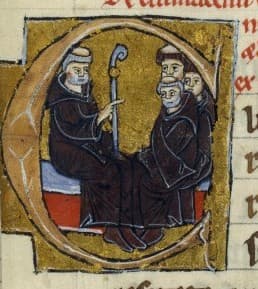
Order of Cluny
The Order of Cluny was a significant Benedictine monastic order within the Catholic Church, founded in the 10th century and active until its suppression at the end of the 18th century. Supported by the papacy and nobility, it grew to become the most influential monastic order of the Middle Ages, with its network extending across Western Europe. The order was characterized by its adherence to the Rule of Saint Benedict, though it developed its own customs and governance structures, influencing art, architecture, and religious reform movements.

Tarascon Abbey
Saint-Honorat Abbey was a Benedictine convent for nuns located in Tarascon, within the historical Diocese of Avignon. Founded in 1352, it operated for centuries until its suppression in 1790 during the early French Revolution.

Saint-Ghislain Abbey
Saint-Ghislain Abbey was a significant monastery founded by Saint Ghislain around 650 AD in Wallonia, Belgium. It transitioned to a Benedictine order around 940, undergoing reform, and remained operational until its suppression in 1796. The abbey played a role in local land grants, with Emperor Otto I confirming a substantial gift of land in 965.