
Tengu
Shinto·Mythology·Japanese·Yōkai / Kami
Tengu are a class of supernatural beings, often classified as yōkai or kami, originating in Japanese Shinto belief. Initially depicted as bird-like demons associated with war, their image evolved to include human and monkey traits, most notably a long nose, and they are now often seen as protective spirits of mountains and forests, frequently associated with the ascetic practices of Shugendō and depicted in the garb of yamabushi practitioners. They are notable for their evolving iconography and their presence in a wide range of Japanese folklore and art.
Key Facts
- ›Tengu are a type of yōkai or kami in Japanese Shinto belief.
- ›Originally, they were depicted as bird-like creatures associated with war and disruptive influences.
- ›Their image evolved to incorporate human and monkey characteristics, with a long nose becoming a defining feature.
- ›Tengu are strongly associated with the ascetic practice of Shugendō and are often depicted in the attire of yamabushi.
- ›They are frequently portrayed in Japanese art and folklore, appearing in tales as both mischievous tricksters and powerful beings.
- ›The concept of Tengu may have originated from the Chinese demon tiāngǒu and potentially the Hindu deity Garuda.
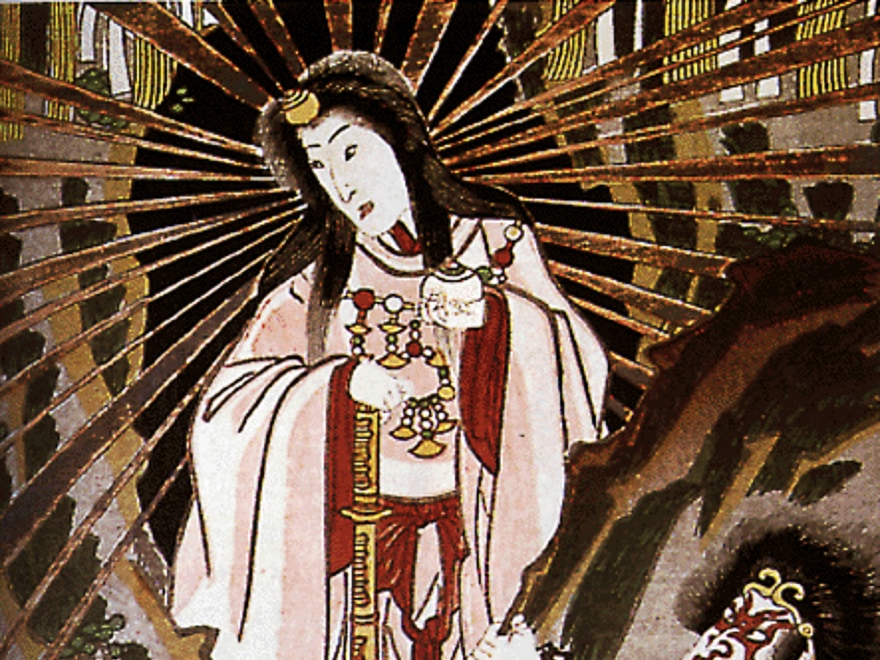
Heavenly Dog, TiāNgǒU, Amatsukitsune, Konoha-Tengu, Sarutahiko ōKami, Hanatakatengu, Karasu-Tengu, Koppa-Tengu, Guhin, Shibaten, Shibatengu, Kawatengu, Izuna Gongen, Akiba Gongen, DōRyō Gongen
Mountains, Forests, War, Disruption, Protection, Ascetic Practice
Flight, Shapeshifting, Causing Winds, Possession, Granting Unholy Power, Teaching Martial Arts, Manipulating Noses, Causing Mysterious Sounds, Throwing Pebbles
Nihon Shoki, TenguzōShi Emaki, Konjaku Monogatarishū, Kojidan, ōKagami, HōGen Monogatari, Genpei JōSuiki, Tengu Meigikō, Shokoku Rijin Dan, Shasekishū, Kaidan Toshiotoko, Sanshu Kidan, SōZan Chomon Kishū
Sarutahiko ōKami, Amaterasu, Minamoto No Yoshitsune, Emperor Sutoku, Emperor Go-Shirakawa, SōJōBō of Kurama, TarōBō of Atago, JirōBō of Hira, Garuda, TiāNgǒU, Huli Jing, Susanoo, Amanozako
Disruption, War, Vanity, Pride, Arrogance, Mischief, Protection, Asceticism
- Revered As 'Nesting Grounds' In Mountain Thickets.
- Associated With Mysterious Nocturnal Sounds Like 'Tengu Daoshi' .
- Legends of 'Tengu Warai' and 'Tengu Tsubute' On Mountain Paths.
- Specific Locations Named 'Tengu Territory' Or 'Tengu Guest Quarters'.
- Mysterious Mountain Sounds Like 'Tengubayashi' and 'Tengu Taiko' Are Attributed To Them.
- Offered Rice Cakes and Fish To Appease Them.
- Mackerel Is Believed To Be Loathed By Tengu and Used As A Charm.
- Worshipped As Beneficial Kami, Such As Izuna Gongen.
Buddhism, Shugendō Practitioners, Yamabushi, Minamoto No Yoshitsune, Izuna Gongen, Mackerel
- the Chinese TiāNgǒU Is A Canine Monster, Differing From the Japanese Tengu's Avian and Humanoid Features.
- the Hindu Deity Garuda, A Bird-Like Being, Shares Some Visual Similarities and Potential Mythological Links With Tengu.
- In Some Japanese Folklore, Creatures Like Shibaten Or Kawatengu Are Considered Types of Tengu But Have Distinct Characteristics, With Shibaten Sometimes Being Grouped With Kappa.
Long Nose, Red Face, Wings, Feather Fan, Khakkhara Staff, Yamabushi Attire, Tengu-Geta
About Tengu
Tengu (天狗, lit. 'Heavenly Dog') are a class of legendary beings in Japanese Shinto tradition, often categorized as yōkai (supernatural beings) or kami (gods or spirits). They are renowned for their evolving appearance and their significant role in Japanese folklore, art, and religious practices.
Origins and Evolution
The concept of Tengu is believed to have roots in the Chinese folklore creature tiāngǒu, a fierce, anthropophagous canine monster associated with celestial events and war. Early Japanese accounts in texts like the Nihon Shoki (720 CE) describe a "heavenly dog" associated with a falling star and military uprisings. Scholarly theories also suggest potential syncretism with the Hindu eagle deity Garuda, known for its bird-like, often humanized form and its role in Buddhist scripture.
Initially, Tengu were depicted as bird-like creatures, akin to large birds of prey. Over time, their imagery evolved to incorporate human and monkey characteristics. The most distinctive feature to emerge, likely by the 14th century, was the exceptionally long nose, which scholars suggest humanized the original bird's beak and has been linked to the description of the Shinto monkey deity Sarutahiko Ōkami.
Roles and Associations
Buddhism historically viewed Tengu as disruptive demons and harbingers of war, often misleading monks and causing trouble. However, their image gradually softened, transforming them into protectors of mountains and forests. They became closely associated with the ascetic practice of Shugendō, with practitioners known as yamabushi. Consequently, Tengu are frequently depicted in art wearing the distinctive garb of yamabushi, including their unique headwear (tokin) and robes, and often wielding the shakujō staff.
Tengu are also known for their association with pride and vanity. The Japanese expression "tengu ni naru" (to become a tengu) is still used to describe a conceited person. They are sometimes categorized into "greater tengu" (daitengu), which are often more human-like, and "lesser tengu" (kotengu), which can be more bird-like, such as the Karasu-Tengu (crow tengu).
Folklore and Popular Culture
Tengu are prolific figures in Japanese folk tales, often appearing as tricksters who are easily outsmarted by humans, or as possessors of great martial arts knowledge. Legends recount them teaching warriors like Minamoto no Yoshitsune and using magical items such as feather fans (hauchiwa) capable of stirring up great winds or manipulating noses. Their supernatural abilities and mischievous nature have made them enduring characters in storytelling.
In modern times, Tengu remain prominent in popular culture, frequently appearing in anime, manga, video games, and literature, continuing to capture the imagination with their unique blend of the fearsome and the fantastical.
Source: Wikipedia ↗
Frequently Asked Questions
What are Tengu?
Tengu are legendary creatures in Japanese Shinto belief, considered a type of yōkai or kami. They are often depicted with human, monkey, and avian characteristics, most famously with a long red nose.
What is the origin of the Tengu?
The name and concept of Tengu are believed to be borrowed from the Chinese folklore creature tiāngǒu. Scholars also theorize influences from the Hindu deity Garuda and ancient Japanese bird demons.
How have Tengu been depicted historically?
Early depictions show Tengu as kite-like beings. Over time, they became associated with yamabushi ascetics, leading to imagery of them in priestly garb. The long nose became a prominent feature, possibly humanizing a bird's beak.
What are Tengu associated with?
Tengu are associated with mountains, forests, and the ascetic practice of Shugendō. They were historically seen as harbingers of war but later evolved into protective spirits.
Are there different types of Tengu?
Yes, Tengu are sometimes categorized into 'greater tengu' (daitengu), often more human-like, and 'lesser tengu' (kotengu), which can be more bird-like, such as Karasu-Tengu (crow tengu).
What is the significance of Tengu in Japanese folklore?
Tengu are prominent figures in Japanese folk tales, often depicted as tricksters who can be outsmarted by humans, or as powerful beings associated with martial arts and supernatural phenomena.
Related Demons
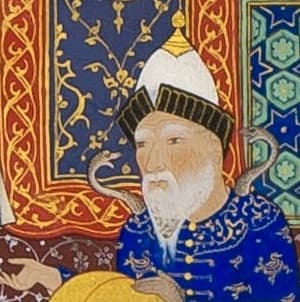
Azi Dahaka/Dahak
Aži Dahāka, also known as Zahhāk, is a prominent figure of evil in Iranian mythology and Zoroastrian tradition, often depicted as a monstrous serpent or dragon. He is notable for his role as a tyrannical king who ruled for a thousand years, feeding human brains to two snakes that grew from his shoulders, and for his eventual defeat and imprisonment by the hero Fereydun.
Bali Raj
Mahabali, also known as Bali, is a prominent daitya king in Hinduism, recognized as one of the Chiranjivi, or immortals. He is celebrated for his benevolent rule and generosity, famously tricked by Vishnu's Vamana avatar, which led to his banishment to Sutala Loka. His legend forms a central part of the annual Onam festival in Kerala, marking his symbolic return to his kingdom.

Div-e Sepid
Div-e Sepid, meaning "White Div," is a formidable chieftain of the demons of Mazandaran in the Persian epic Shahnameh. He is renowned for his immense physical strength, mastery of sorcery, and necromancy, famously battling the hero Rostam. Div-e Sepid is notable for his defeat of King Kay Kavus and his army, and his subsequent demise at the hands of Rostam, whose victory is symbolically depicted by wearing the Div's head as a helmet.