
Surgat
European Demonology·Demonology·European·Demon
Surgat is a minor demon primarily known from Renaissance-era grimoires, specifically "The Grimoire of Pope Honorius" and "Grimorium Verum." He is notable for his attributed ability to open all locks, and his angelic opposite is identified as Aquiel. While a figure in demonological texts, Surgat has also appeared as a character in modern fiction.
Key Facts
- ›Surgat is a minor demon mentioned in "the Grimoire of Pope Honorius" and "Grimorium Verum."
- ›He is described as "Surgat who opens all locks."
- ›His angelic opposite is identified as Aquiel.
- ›Surgat appears as a character in Harlan Ellison's short story "Grail."
- ›The demon is also referenced in various modern fictional works, including video games and films.
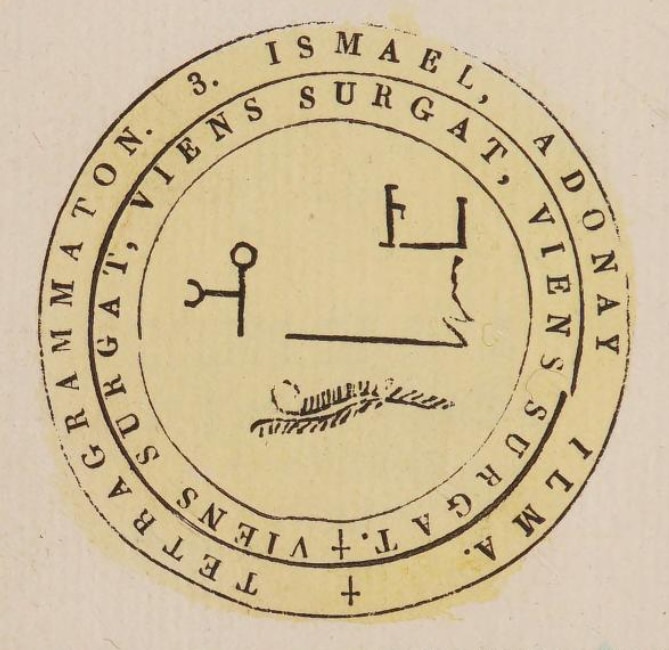
Surgat
Opening Locks, Unlocking Barriers
Opening All Locks
the Grimoire of Pope Honorius, the Secrets of Solomon, Grimorium Verum
Aquiel
- Mentioned In Grimoires As A Demon Who Opens Locks.
Aquiel
About Surgat
Surgat is a minor demon primarily documented in certain European grimoires from the Renaissance period, most notably "The Grimoire of Pope Honorius" and "Grimorium Verum." He is consistently described by the epithet "Surgat who opens all locks," highlighting his singular, albeit limited, attributed power.
In Demonological Texts
Within the context of these occult manuals, Surgat is presented as a figure capable of breaching any physical or metaphorical barrier. His angelic counterpart is identified as Aquiel, a common motif in demonological lore where demons are often paired with opposing angelic forces. While not a prominent figure in major theological traditions, Surgat's specific ability has made him a recognizable entity within the literature of ceremonial magic.
In Modern Fiction
Beyond his grimoire origins, Surgat has found a place in modern popular culture. He is a character in Harlan Ellison's 1981 short story "Grail," where his ability to unlock obstacles comes at a significant cost to the protagonist. Surgat has also been referenced or appeared in various other fictional works, including video games like "I Have No Mouth, and I Must Scream" and films such as "Bird Box" and "Insidious: The Last Key," demonstrating his enduring, if niche, presence in contemporary narratives.
Source: Wikipedia ↗
Frequently Asked Questions
Who is Surgat?
Surgat is a minor demon documented in occult texts such as "The Grimoire of Pope Honorius" and "Grimorium Verum." He is primarily known for his supposed ability to unlock any barrier.
What is Surgat known for?
Surgat is famously known as the demon who "opens all locks." This ability is his most distinctive characteristic mentioned in the grimoires where he appears.
Who is Surgat's opposing angel?
According to the texts that mention him, Surgat's angelic opposite is Aquiel. This represents a common theme in demonology where each demon has a corresponding angel.
Does Surgat appear in modern fiction?
Yes, Surgat has been featured in modern fiction. He plays a role in Harlan Ellison's short story "Grail" and is referenced or appears in other media such as video games and films.
Related Demons
Agaliarept
Agaliarept is a demon featured in occult texts like the Grimoirium Verum and The Grand Grimoire, where he is described as a high-ranking general directly under Lucifer. He is noted for his ability to uncover secrets and is associated with governing matters related to water. Agaliarept has also been adapted into various modern fictional works, particularly video games and novels.
Amaymon
Amaymon is a demon prince of Hell, primarily known from grimoires such as The Lesser Key of Solomon and Pseudomonarchia Daemonum. He is notable for his association with the demon Asmodai and for specific ritualistic requirements during evocation, including a potentially mistranslated instruction regarding headwear. Amaymon is also described as having a deadly poisonous breath, necessitating protective measures for conjurers.
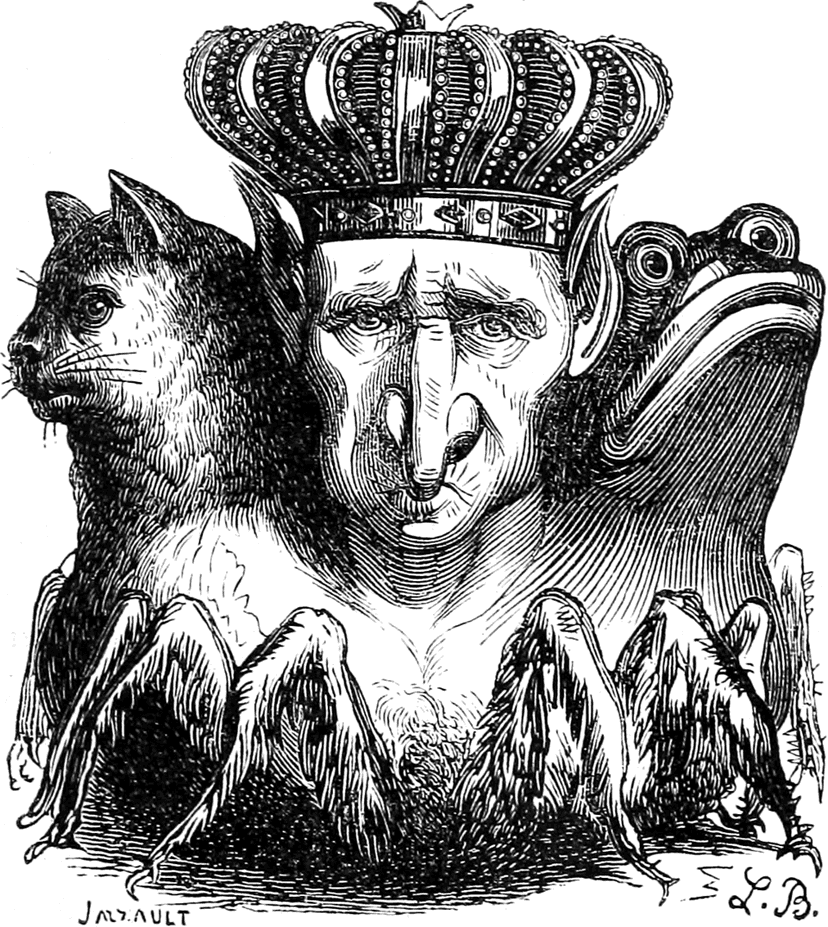
Baal/Bael
Bael is a demon prominently featured in demonological grimoires such as The Lesser Key of Solomon and the Pseudomonarchia Daemonum. He is depicted as a king who can grant invisibility and influence others, often described with a hoarse voice and a composite appearance. Bael is notable for his appearance in various occult texts and his recurring presence in modern popular culture.