
Phenex
Phenex is a Great Marquis of Hell in demonology, commanding twenty legions of demons. He is depicted as a phoenix with a child's singing voice, known for teaching sciences and excelling as a poet. Phenex is notable for his obedience to conjurors once in human form and his aspiration to return to Heaven.
Key Facts
- ›Phenex is a Great Marquis of Hell.
- ›He commands twenty legions of demons.
- ›Appears as a phoenix with a child's singing voice.
- ›Teaches sciences and is an excellent poet.
- ›Hopes to return to the seventh throne of Heaven after 1,200 years.
- ›Described in the Lesser Key of Solomon.
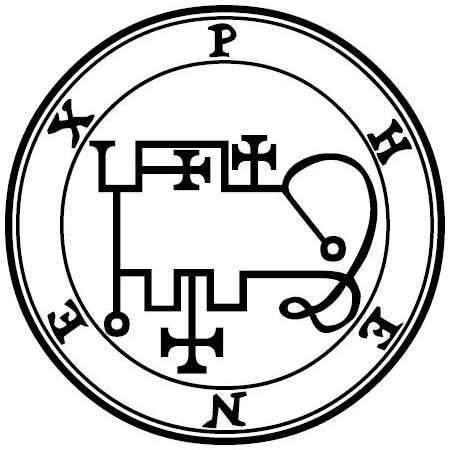
Pheynix, Phoenix, Phoeniex
Sciences, Poetry
Teaches Sciences, Excellent Poet, Assumes Human Form, Obedient To Conjurors In Human Form, Sings With A Child's Voice
the Lesser Key of Solomon
- the Conjuror Must Avoid Listening To Phenex's Melody, As It Is Described As Siren-Like.
- the Conjuror Must Bid Phenex To Take Human Form To Ensure His Obedience and To Learn From His Teachings.
Phoenix
About Phenex
Phenex is a demon documented in demonological texts, notably within the 17th-century grimoire known as The Lesser Key of Solomon. He is classified as a Great Marquis of Hell and is said to command a considerable force of twenty legions of demons.
Description and Attributes
Phenex is described as appearing in the form of a phoenix, a mythical bird associated with rebirth and immortality. However, his vocalizations are distinctive: he possesses the siren-like singing voice of a child. When first encountered by a conjuror, Phenex sings many sweet notes. It is advised that the conjuror and their companions must resist the temptation to listen to this melody and instead command Phenex to assume human form. Once in human guise, he is known to speak of all wonderful sciences and is an excellent poet.
Role and Ambitions
As a demon, Phenex is characterized by his obedience to the conjuror once he has taken human shape. His motivations are also detailed; Phenex harbors an aspiration to return to the seventh throne of Heaven, a goal he anticipates achieving after a period of 1,200 years. This ambition suggests a complex nature, potentially tied to a desire for restoration or redemption within a celestial hierarchy.
Source: Wikipedia ↗
Frequently Asked Questions
What is Phenex?
Phenex is a demon in demonology, specifically a Great Marquis of Hell. He is known for his unique appearance and abilities.
What does Phenex look like?
Phenex appears as a phoenix, a mythical bird. He is also noted for having the siren-like singing voice of a child.
What are Phenex's abilities and knowledge?
Phenex is described as teaching sciences and being an excellent poet. He is also noted for his obedience to conjurors once he assumes human form.
What is Phenex's goal?
Phenex hopes to return to the seventh throne of Heaven. This aspiration is expected to occur after 1,200 years.
What demonic hierarchy does Phenex belong to?
Phenex holds the rank of Great Marquis of Hell. He commands twenty legions of demons, indicating significant authority within Hell.
Related Demons
Leraje/Leraie
Leraie is a demon primarily known from demonological grimoires, notably the Lesser Key of Solomon and Johann Weyer's Pseudomonarchia Daemonum. He is a Great Marquis of Hell with dominion over thirty-three legions of demons, notable for inciting battles, causing wounds from arrows, and influencing romantic affections. His depiction as a handsome archer in green is a recurring motif.
Orias/Oriax
Orias, also known as Oriax, is a Great Marquis of Hell commanding thirty legions of demons. He is notable for his knowledge of astrology, teaching the virtues of stars and planetary mansions, and his ability to grant dignities, prelacies, and influence over others. Orias can also transform individuals into various shapes.
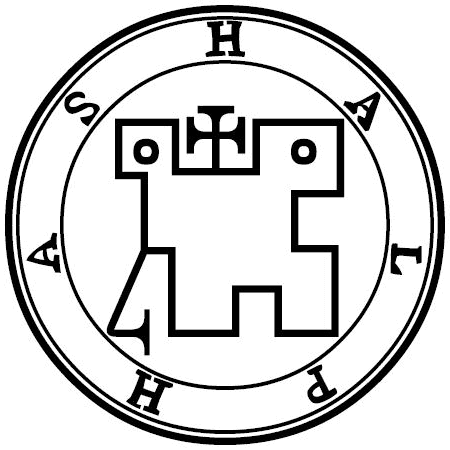
Halphas/Malthus
Halphas, also known as Malthas or Malphas, is the thirty-eighth demon in the Ars Goetia, ranked as an earl. He is primarily known for supplying weapons and ammunition, inciting warfare, and commanding legions of spirits. His traditional depiction is that of a stock dove, though some sources vary.