
Halphas/Malthus
Halphas, also known as Malthas or Malphas, is the thirty-eighth demon in the Ars Goetia, ranked as an earl. He is primarily known for supplying weapons and ammunition, inciting warfare, and commanding legions of spirits. His traditional depiction is that of a stock dove, though some sources vary.
Key Facts
- ›Halphas is the 38th demon in the Ars Goetia and holds the rank of Earl.
- ›He is described as a hoarse-voiced stock dove in most manuscripts.
- ›Halphas's primary roles include supplying weapons and ammunition and sending men to war.
- ›He commands 26 legions of spirits.
- ›Alternate names include Malthas and Malphas.
- ›He is opposed by the Shemhamphorasch angel Haamiah.
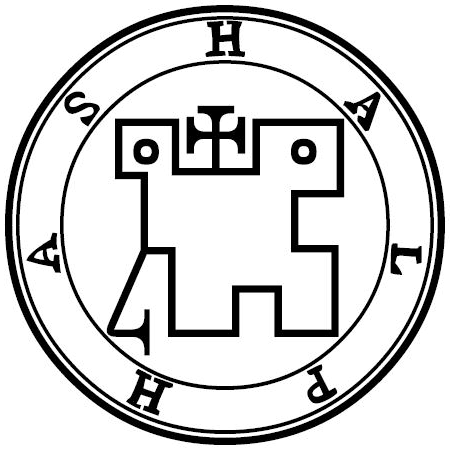
Malthas, Malphas, Malthus
Warfare, Weapons, Ammunition
Supplies Weapons, Supplies Ammunition, Sends Men To War, Commands Legions of Spirits
Ars Goetia, Pseudomonarchia Daemonum, Dictionnaire Infernal
Haamiah
War, Conflict, Destruction
Haamiah
About Halphas/Malthus
Halphas
Halphas, also known by the variations Malthas, Malthus, and Malphas, is a demon documented within the tradition of Western demonology, specifically appearing as the thirty-eighth entity in the Ars Goetia, a section of the Lesser Key of Solomon. He holds the rank of Earl within the infernal hierarchy.
Role and Attestations
Halphas is primarily recognized for his influence over warfare and the provision of instruments of conflict. Most historical descriptions depict him as a hoarse-voiced stock dove, although some notable variations, such as those found in Johann Weyer's Pseudomonarchia Daemonum and Collin de Plancy's Dictionnaire Infernal, describe him as a stork. His attributed functions include supplying weapons and ammunition, often for fortified positions or towns, and actively inciting men to engage in war. He is said to command a significant contingent of spirits, numbering 26 legions.
Opposition and Context
Within the context of specific demonological traditions, Halphas is noted as being opposed by the Shemhamphorasch angel Haamiah. His presence in various grimoires and demonological texts of the early modern period solidifies his place in the catalog of infernal beings studied and invoked within occult practices of that era.
Source: Wikipedia ↗
Frequently Asked Questions
What is Halphas's rank in demonology?
Halphas is ranked as an Earl in the hierarchy of demons described in the Ars Goetia.
What is Halphas known for doing?
Halphas is known for supplying weapons and ammunition, and for sending men to war. He also commands a significant number of spirits.
What does Halphas look like?
Most descriptions portray Halphas as a hoarse-voiced stock dove. However, some sources, like Johann Weyer and Collin de Plancy's Dictionnaire Infernal, describe him as a stork.
How many spirits does Halphas command?
Halphas commands 26 legions of spirits.
Are there any figures associated with opposing Halphas?
According to some traditions, Halphas is opposed by the Shemhamphorasch angel Haamiah.
Related Demons

Bifrons
Bifrons is an earl-level demon documented in various demonological grimoires, notably the Lesser Key of Solomon and Pseudomonarchia Daemonum. He is known for his ability to teach arts and sciences, including astrology and the properties of plants and stones, and for his peculiar task of moving bodies between graves and lighting candles upon them. His name, meaning "two-faced" in Latin, suggests a possible connection to the Roman god Janus.
Zagan
Zagan is a powerful Great King and President of Hell, commanding 33 legions of demons. He is known for his ability to bestow wit, transform liquids like wine and blood, and transmute metals into coins. Zagan is notable in demonological texts for his unique transformative powers and his role in the hierarchy of Hell.
Marchosias
Marchosias is a prominent Marquis of Hell in demonology, particularly known from the "Ars Goetia." He is described as a powerful fighter who provides truthful answers and is loyal to those who summon him. Originally a member of the angelic order of Dominations, he anticipates a return to Heaven after 1,200 years, a hope Weyer's "Pseudomonarchia Daemonum" suggests is misguided.