
Paimon
Western Grimoire Tradition·Demonology·European·Demon
Paimon is a powerful king demon prominently featured in Western grimoires, most notably "The Lesser Key of Solomon." He is depicted as a high-ranking spirit, often described as obedient to Lucifer, and is known for his ability to teach various sciences, reveal secrets, and bestow dignities. Paimon's name may be derived from a Hebrew word related to bells, and his appearance is often described as regal and accompanied by music.
Key Facts
- ›Paimon is a Goetic King, appearing as the ninth spirit in the Ars Goetia and holding significant rank in other demonological texts.
- ›He is described as being highly obedient to Lucifer, more so than many other demonic kings.
- ›Paimon is known for his ability to teach all arts, sciences, and secret things, including knowledge of the Earth, its waters, and winds.
- ›He can bestow dignities and lordships, and grant familiars that are skilled in teaching.
- ›His appearance is typically that of a crowned man riding a dromedary, preceded by musicians playing loud instruments.
- ›Paimon has appeared in various forms of modern popular culture, including films, video games, and television series.

Poymon, Bayemon, Paymonia, Paimonia, PaïMon, Bayemont, Baymon
Knowledge of Arts and Sciences, Secrets, Earth, Waters, Winds, Dignities and Lordships, Familiars
Teaches Science, Answers Questions Truthfully, Reveals Secrets and Hidden Treasures, Bestows Dignities and Lordships, Grants Familiars, Knows All Affairs of the World, Knowledge of Past and Future Events, Clears Up Doubts, Makes Spirits Appear, Creates Visions, Acquires and Dismisses Servant Spirits, Reanimates the Dead, Flight, Remaining Underwater Indefinitely, Command Over Fish
the Lesser Key of Solomon, Pseudomonarchia Daemonum, Dictionnaire Infernal, Livre Des Esperitz, Clavis Inferni, Liber Officiorum Spirituum, the Book of Abramelin, the Grimoire of Pope Honorius, British Library, Sloane Ms 3824, Sloane Ms 2731
Lucifer, Lebal, Abalam, Haziel
- Must Be Commanded To Speak, Initially In His Native Language Until Asked To Converse In the Summoner's Language.
- If Appearing Alone, A Sacrifice Must Be Made To Summon His Subservient Kings, Lebal and Abalam.
- When Summoning, the Conjurer Should Observe Towards the West Or Northwest, Depending On the Text.
- In the Book of Abramelin, He Is Listed Among Eight Dukes.
Haziel
Sigil of Paimon
About Paimon
Paimon: The Goetic King of Knowledge
King Paimon is a prominent figure in Western grimoires, particularly renowned for his extensive knowledge and high rank within demonic hierarchies. He is most famously documented in "The Lesser Key of Solomon," specifically its "Ars Goetia" section, where he is listed as the ninth spirit. Paimon is consistently portrayed as a king, often described as being highly obedient to Lucifer, and is said to rule over a significant number of spirits, sometimes numbering in the hundreds of legions.
Abilities and Lore
Paimon's primary attributes revolve around his capacity to impart knowledge. He is credited with teaching all sciences, arts, and "secret things," including profound understanding of the Earth, its waters, and the winds. Beyond academic pursuits, Paimon can reveal hidden treasures, grant dignities and lordships, and bestow familiars skilled in teaching. Some texts also attribute to him the ability to know past and future events and to answer any question truthfully.
Appearance and Association
In descriptions found in grimoires like the "Ars Goetia" and Johann Weyer's "Pseudomonarchia Daemonum," Paimon is depicted as a regal figure. He typically appears riding a dromedary camel, preceded by a great retinue of musicians playing loud instruments such as trumpets and cymbals. He is crowned, and while his face is noted as beautiful, he is consistently identified as male. His name is thought by some scholars to derive from the Hebrew word "Paamon," meaning a small bell, possibly referencing the bells on the High Priest's garments described in the Book of Exodus.
Cultural Presence
While rooted in ancient demonological texts, Paimon has seen a resurgence in modern popular culture. He has been featured as a primary antagonist in films like Ari Aster's "Hereditary," as a character in animated series such as "Helluva Boss," and as a worshipped entity in video games like "Genshin Impact" and "Amanda the Adventurer." His sigil also appears in various media, underscoring his enduring, if often fictionalized, presence in the cultural imagination.
Source: Wikipedia ↗
Frequently Asked Questions
What is Paimon's rank and status?
Paimon is consistently ranked as a king in various grimoires, including the Ars Goetia and Pseudomonarchia Daemonum. He is often described as being obedient to Lucifer and holds a high position among the demonic hierarchy, ruling over legions of spirits.
What are Paimon's primary abilities and powers?
Paimon is known for his extensive knowledge, capable of teaching all sciences, arts, and secrets of the world. He can also reveal hidden treasures, grant dignities and lordships, and bestow familiars. In some texts, he is attributed with knowledge of past and future events.
How is Paimon typically described in appearance?
He is often depicted as a man riding a dromedary camel, adorned with a crown. His arrival is usually heralded by loud music, including trumpets and cymbals. While his face is described as beautiful, he is consistently referred to as male.
What is the origin or etymology of Paimon's name?
The etymology of Paimon's name is suggested to derive from the Hebrew word 'Paamon,' meaning 'tinkling sound' or 'small bell.' This word appears in biblical passages describing the garments of the High Priest.
In which traditions or texts is Paimon mentioned?
Paimon is prominently featured in Western grimoires such as "The Lesser Key of Solomon" (Ars Goetia), Johann Weyer's "Pseudomonarchia Daemonum," and Jacques Collin de Plancy's "Dictionnaire Infernal." He also appears in "The Book of Abramelin" and other occult texts.
Does Paimon have any associations with cardinal directions?
Some texts, though not consistently, list Paimon as a king of the cardinal directions, specifically ruling the West. When summoning him, practitioners are sometimes instructed to face towards the West.
Related Demons
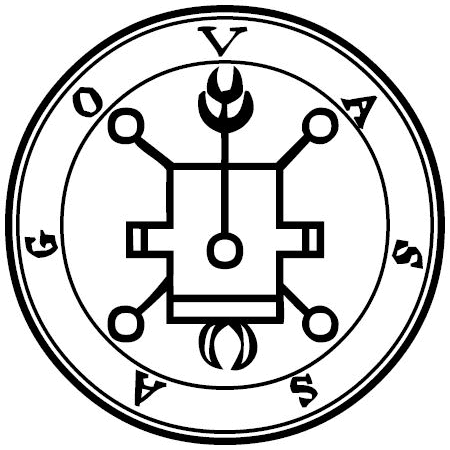
Vassago
Vassago is a demon prominently featured in demonological grimoires like the Lesser Key of Solomon. Associated with a "good nature," this demon is known for revealing past and future events, locating lost items, and inciting love. He is notable for his presence in various occult texts and his later appearances in popular culture.
Leraje/Leraie
Leraie is a demon primarily known from demonological grimoires, notably the Lesser Key of Solomon and Johann Weyer's Pseudomonarchia Daemonum. He is a Great Marquis of Hell with dominion over thirty-three legions of demons, notable for inciting battles, causing wounds from arrows, and influencing romantic affections. His depiction as a handsome archer in green is a recurring motif.
Alloces/Allocer
Alloces is a demon described in various demonological grimoires as a duke with the power to teach astronomy and liberal sciences. He is notably depicted as a lion-headed soldier riding a horse, commanding legions of demons. His role and appearance can vary between different texts, with some sources attributing different ranks and abilities.