
Ghoul
The ghoul is a demon-like being originating in pre-Islamic Arabian folklore, primarily known for inhabiting graveyards and consuming human flesh. It often lures victims through deception, taking on familiar forms. The concept has evolved significantly, appearing in various mythologies and modern fiction as a monstrous humanoid, sometimes associated with grave-robbing and cannibalism.
Key Facts
- ›Originated in pre-Islamic Arabian religion and folklore.
- ›Associated with graveyards and consumption of human flesh or corpses.
- ›Can lure victims by appearing as a long-lost relative or an unassuming old woman.
- ›In early Arabic, treated as feminine, later as masculine with a feminine counterpart.
- ›Appears in Arabic and Islamic literature, though not in the Quran.
- ›Modern fiction often depicts them as monstrous humanoids that feed on the dead.
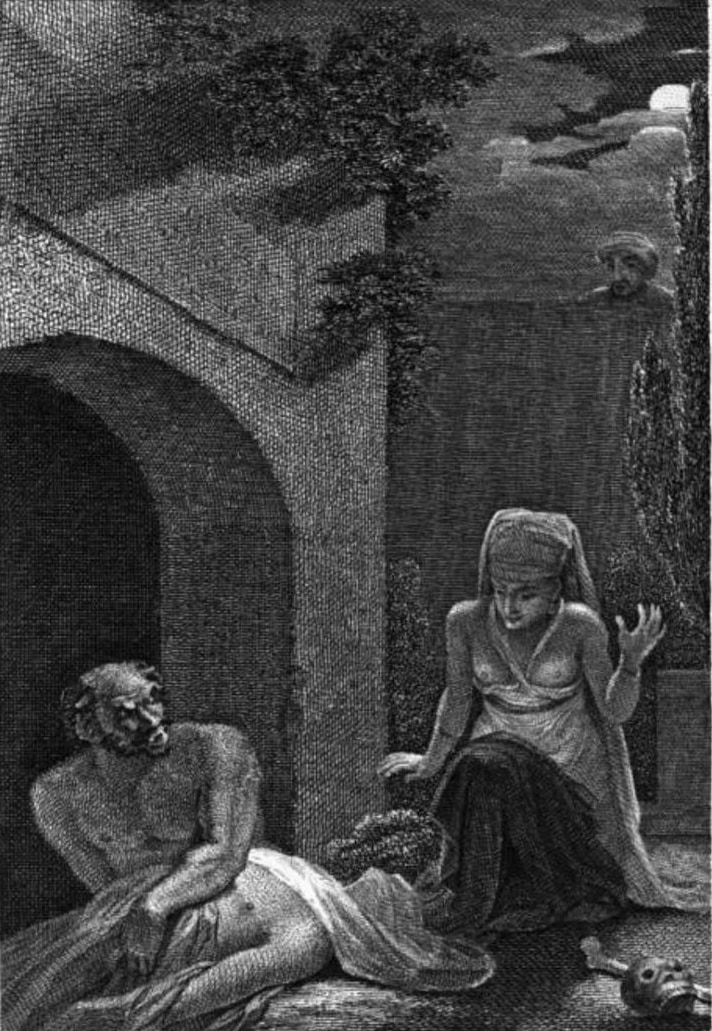
GhūL, Ghulah
Graveyards, Consumption of Human Flesh, Deception, Luring Victims
- Luring Victims Through Deception
- Taking On Familiar Forms
- Devouring Human Flesh and Corpses
- Preying On Children
- Drinking Blood
- Stealing Coins
- Taking the Form of the Person Most Recently Eaten
William Beckford's "Vathek", One Thousand and One Nights, Arabic Poetry, Hadith, H.P. Lovecraft's "Pickman's Model"
Sila
Macabre, Death
- Recitation of the Adhan Can Help Escape An Attack.
- Recitation of the Throne Verse May Lead To Conversion To Islam.
- May Have Been Influenced By Ancient Mesopotamian Entities Known As Gallu.
- Western Concept Introduced Through Translations of "One Thousand and One Nights".
About Ghoul
What is a Ghoul?
The ghoul is a figure originating in pre-Islamic Arabian folklore, characterized as a demon-like being or monstrous humanoid. Its most prominent association is with graveyards and the consumption of human flesh. The concept of the ghoul has evolved over time, appearing in various mythologies and significantly influencing modern fiction, where it is often depicted as a distinct type of flesh-eating monster.
Origins and Folklore
The term 'ghoul' derives from the Arabic word 'ghūl,' meaning 'to seize.' Initially, in early Arabic, the term was treated as feminine, with later perceptions shifting to a masculine creature that sometimes had a feminine counterpart. In Arabic folklore, ghouls are said to inhabit cemeteries and desolate places, preying on unwary travelers. They are known for their ability to lure victims by taking on familiar forms, such as a lost relative or an unassuming old woman. These deceptive tactics are often employed to draw individuals into isolation where they can be devoured. Tales describe ghouls also preying on children, drinking blood, and even assuming the form of their most recent victim.
Literary and Cultural Impact
The ghoul's presence in Western consciousness was significantly amplified through the translation of "One Thousand and One Nights" by Antoine Galland. This introduction presented the ghoul as a cemetery-dwelling creature that feasted on corpses. The term has since been adopted into English literature and popular culture, notably in works by authors like Edgar Allan Poe and H.P. Lovecraft. In modern interpretations, ghouls are often portrayed as subterranean beings or bestial humanoids with a diet of dead human flesh, sometimes capable of intelligent discourse. The term 'ghoul' is also used metaphorically in a derogatory sense to describe individuals who exhibit a fascination with the macabre or whose professions are directly linked to death.
Source: Wikipedia ↗
Frequently Asked Questions
What is a ghoul?
In folklore, a ghoul is a demon-like being or monstrous humanoid, often associated with graveyards and the consumption of human flesh. The concept originated in pre-Islamic Arabian religion.
Where do ghouls come from?
The concept of the ghoul originated in pre-Islamic Arabian religion. It later appeared in Arabic and Islamic literature and was introduced to Western society through translations of "One Thousand and One Nights".
What do ghouls do?
Ghouls are typically depicted as dwelling in cemeteries or uninhabited places, luring unwary people to slay and devour them. They are also said to prey on young children, drink blood, steal coins, and eat the dead.
Are there different types of ghouls?
In Arabic folklore, a male ghoul is referred to as 'ghul' and a female as 'ghulah'. In some tales, the ghoul appears as a female creature, sometimes called 'Mother Ghoul' or a similar relational term, to deceive men.
How have ghouls been portrayed in modern fiction?
Modern fiction often uses the term to label a specific kind of monster, typically a bestial humanoid that feeds on dead human flesh. They are often depicted as subterranean beings or creatures with no specific shape.
Related Demons
Shaitan
Shaitan, also known as Iblis, is the leader of devils (shayāṭīn) in Islam. He is primarily known for his refusal to prostrate before Adam, leading to his expulsion from heaven. In Islamic theology, he embodies disobedience and serves as a tempter, while in Sufism, he can represent the cosmic veil separating divine love from wrath, or paradoxically, a "truest monotheist" who bows only to God. Shaitan is notable for his prominent role in Islamic scripture and subsequent extensive depiction in art and literature.

Marid
A marid is a type of devil (shayṭān) in Islamic tradition, characterized by its rebellious nature. The term, derived from an Arabic root meaning "rebellious," is applied to powerful chthonic demons, often associated with attempting to eavesdrop on heavenly pronouncements or causing destruction. They are considered more malevolent than ordinary devils but less powerful than ʿifrīts, yet susceptible to manipulation.
Zabaniyya
The Zabaniyya are the "Wardens of Hell" in Islamic tradition, a group of nineteen angels tasked with torturing sinners and carrying away the souls of the wicked. They are also identified as the "Angels of Punishment" and "Guardians of Hell." Despite their fearsome appearance and actions, they are considered ultimately subordinate to God, and their punishments are seen as just within Islamic theology.