
Banshee
The banshee is a female spirit in Irish folklore, primarily known for her mournful wailing that heralds the death of a family member. Her name is derived from "woman of the fairy mound," connecting her to the mythological síde. She is notable for her role as a death omen and her association with ancient Irish noble families.
Key Facts
- ›The banshee is a female spirit in Irish folklore who foretells death.
- ›Her cry is a mournful wail, scream, or shriek, signaling an impending death in a family.
- ›She is associated with the síde, or fairy mounds, in Irish mythology.
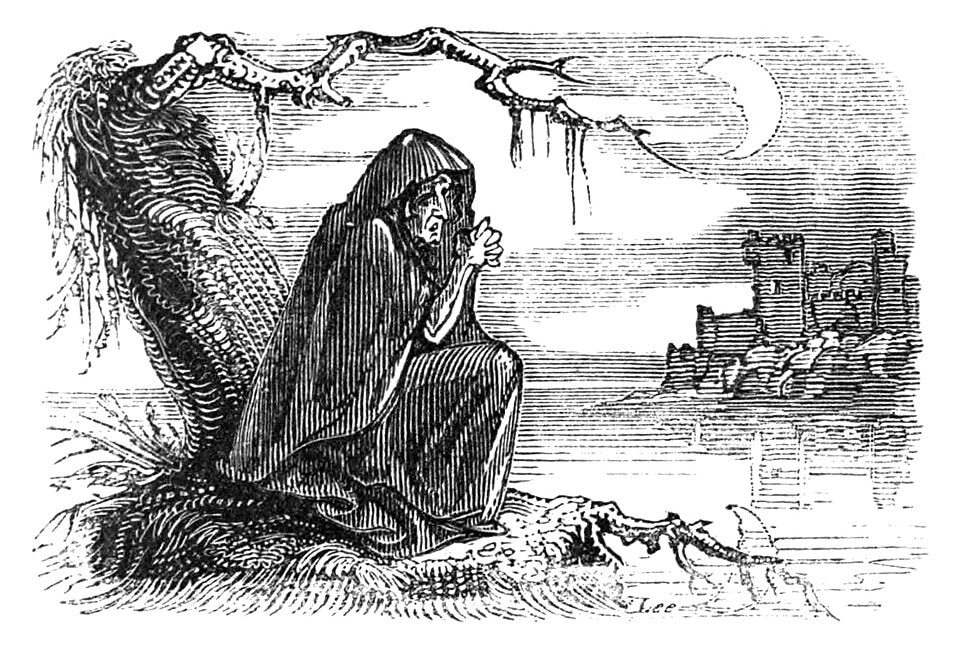
- ›Descriptions of her appearance vary, but often include long hair, a grey cloak, a green dress, and red eyes from weeping.
- ›Some traditions state she laments only the descendants of "pure Milesian stock" or ancient Irish families.
- ›She may assume the form of a sweet-singing virgin of the family who died young.
Bean Sí, Bean SíDe, Ben SíDe, Bean Chaointe, Wailing Woman
Death, Mourning, Omen
Wailing, Screaming, Shrieking, Keening, Predicting Death, Assuming Forms, Shattering Glass
Cathreim Thoirdhealbhaigh, John O'Brien's Irish-English Dictionary, Norman Literature
Aibell
Death, Lamentation, Doom, Ancient Lineage
- the Keening Woman In Ireland and Scotland Traditionally Wails A Lament As Part of Mourning.
- Scottish Folklore: Bean Nighe Or Ban Nigheachain , Nigheag Na H-àTh
- Welsh Folklore: Cyhyraeth
About Banshee
The Banshee
The banshee is a prominent figure in Irish folklore, recognized as a female spirit whose mournful cries serve as a harbinger of death. Her name, derived from Old Irish "ben síde," translates to "woman of the fairy mound" or "fairy woman," linking her to the mythological síde, or fairy mounds, scattered across the Irish countryside.
Description and Appearance
Descriptions of the banshee's appearance are varied. She is often depicted with long, streaming hair, sometimes seen combing it, and is said to wear a grey cloak over a green dress. Her eyes are frequently described as red from constant weeping. While some accounts portray her as unnaturally tall, the majority of tales suggest a short stature, ranging from one to four feet, often emphasizing her fairy nature. She can also assume the form of a deceased family member, such as a sweet-singing virgin who died young, or appear as a shrouded woman lamenting with a veiled face.
Role and Significance
The primary role of the banshee is to foretell death, usually by emitting bloodcurdling screams, wails, or keens. Her cry is considered a sign of impending death within a specific family, often heard before news of the demise arrives. In some traditions, the banshee is associated with the death coach, either summoning it or traveling with it. The appearance of multiple banshees is said to indicate the death of someone of great importance or holiness.
Associations and Lore
Traditionally, the banshee is believed to lament only the descendants of ancient Irish families, particularly those of "pure Milesian stock." Families of Saxon or Norman descent, or those who arrived in Ireland later, were not typically believed to be visited by a banshee. However, exceptions exist, such as for individuals gifted in music and song, or families considered "more Irish than the Irish themselves." Some families were thought to have their own specific banshee, such as Aibell, the ruler of twenty-five other banshees, who was associated with the Ua Briain family.
Origins and Connections
References to banshees date back to at least 1380, with mentions appearing in texts like the Cathreim Thoirdhealbhaigh and Norman literature of the period. The practice of keening, a traditional lament sung by women at funerals, shares thematic similarities with the banshee's cry, though the banshee is a supernatural entity. Similar figures can be found in other Celtic traditions, such as the bean nighe in Scottish folklore and the cyhyraeth in Welsh folklore.
Source: Wikipedia ↗
Frequently Asked Questions
What is a banshee?
A banshee is a female spirit from Irish folklore. She is known for her mournful cries that foretell the death of a family member. Her name translates to 'woman of the fairy mound' or 'fairy woman'.
What does a banshee's wail signify?
The banshee's wail is a direct omen of death. It signals that a member of a particular family is about to die, and her cry is heard before news of the death arrives.
What does a banshee look like?
Banshees are often described with long, streaming hair that they may be seen combing. They are typically depicted wearing a grey cloak over a green dress, with eyes reddened from weeping. Some accounts describe them as short, while others note them standing unnaturally tall.
Are there specific families associated with banshees?
Traditionally, banshees are said to lament only the descendants of ancient Irish families, often those of "pure Milesian stock." Surnames associated with banshees typically have the Ó or Mc/Mac prefix, indicating Goidelic origin.
Are there similar figures in other folklore?
Yes, Scottish folklore has the bean nighe or ban nigheachain ('little washerwoman') who washes bloodstained clothes of those about to die. In Welsh folklore, a similar creature is known as the cyhyraeth.
When did banshee lore originate?
Accounts of banshees can be traced back as far as 1380, with mentions found in the Cathreim Thoirdhealbhaigh. Norman literature from around that time also contains references to banshees.
Related Demons
Killakee Cat
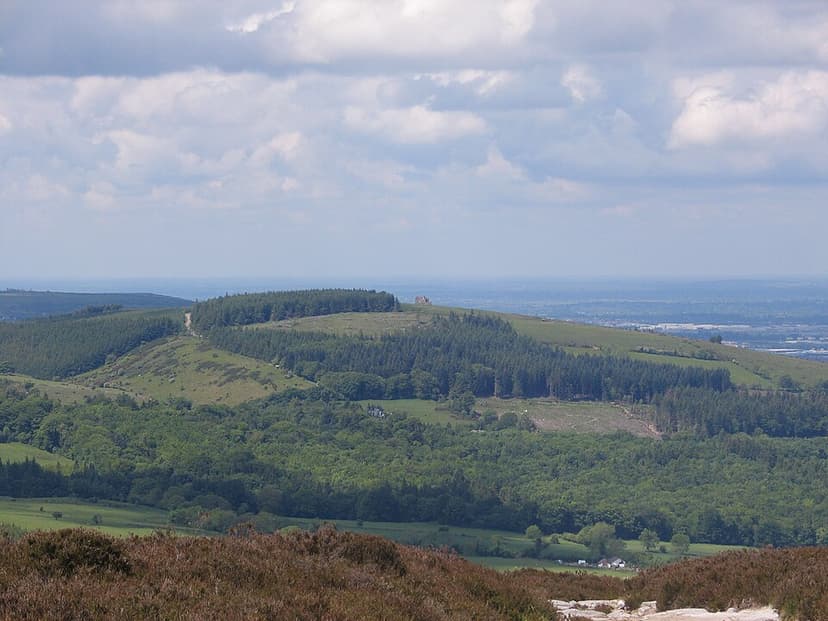
The Killakee Cat is a spectral feline entity associated with the Hell Fire Club and its associated locations on Montpelier Hill in County Dublin, Ireland. It is famously linked to the Stewards House, a former hunting lodge, where its ghostly appearances and poltergeist activity were reported in the late 1960s and early 1970s. The entity is notable for its connection to the debaucherous and occult activities attributed to the Hell Fire Club members.
Akuma
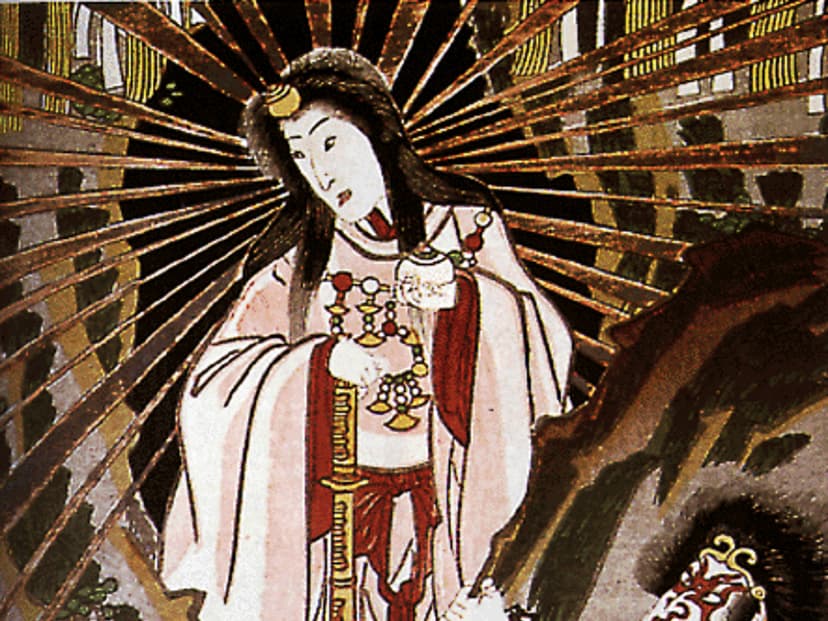
An akuma is an evil spirit in Japanese folklore, sometimes referred to as a devil or demon. The term is also used in Japanese Christianity to denote Satan and in Japanese Buddhism for Mara. Akuma are often depicted as malevolent beings associated with misfortune and mental illness.

Al Ana
Al Ana is a female fatal spirit or demon originating from Turkic folklore, often depicted as an ugly old woman who inhabits thickets near bodies of water. She is notably known for kidnapping newborn human babies and replacing them with her own monstrous offspring, known as changelings.