
Thích Thanh Từ
Thích Thanh Từ is a Vietnamese Thiền Buddhist monk influential in reviving traditional Buddhist practices in Vietnam. Born Trần Hữu Phước in 1924, he adopted his Buddhist name after witnessing wartime suffering and dedicated his life to meditation and teaching. He is particularly known for his efforts to re-establish the Trúc Lâm school of Vietnamese Thiền Buddhism.
Key Facts
- ›Born Trần Hữu PhướC on July 24, 1924, in Cần Thơ, Vietnam.
- ›Became a Buddhist monk at age 25, receiving the name Thích Thanh Từ.
- ›Founded Thường Chiếu monastery in 1974, which became the headquarters of his organization in 1986.
- ›Authored over 50 books starting from 1961.
- ›Key figure in the revival and modern practice of the TrúC LâM school of Thiền Buddhism.
- ›Focuses teachings on meditation and awareness of thoughts without attachment.
Important Relationships
- Trần Nhân Tông
- Pháp Loa
- Huyền Quang
My Whole Life, the Source of Buddhist Dharmas, the Carefree Leaves, If You Know, Buddhism and the Youths, the Practicing Method of Vietnamese Zen
CầN Thơ, Vietnam, YêN Tử Mountain, Long ThàNh
Huệ Khả, Huệ NăNg, TrúC LâM đầU đà
About Thích Thanh Từ
Thích Thanh Từ is a highly influential Vietnamese Thiền Buddhist monk, born on July 24, 1924, in Cần Thơ, Vietnam, under the birth name Trần Hữu Phước. Witnessing the suffering caused by wartime and inspired by Buddhist principles, he decided to dedicate his life to monasticism. At the age of 25, he received his Buddhist name, Thích Thanh Từ, and embarked on a path of spiritual seeking.
Life and Practice
After an initial period of service, Thích Thanh Từ left to pursue "unlearned knowledge" and found his true self, feeling that Pure Land practices were insufficient for his goals. He constructed a meditation chamber in 1966 and immersed himself in meditation, eventually discovering the concept of Nothingness. Realizing the profound power of meditation, he committed to sharing Buddhist teachings with the public, guided by the principle of "After realization, enlighten others."
Teachings and Revival of Trúc Lâm
Thích Thanh Từ began teaching in December 1971, focusing on awareness of thoughts without attachment, incorporating scriptures, discourses, history, and meditation methods. He went on to establish several monasteries, including Linh Quang, Chân Không, and Bát Nhã, and founded Thường Chiếu monastery in 1974, which became the organizational headquarters in 1986. His practice methods are drawn from the historical Chán Buddhism of China, referencing patriarchs like Huệ Khả, Huệ Năng, and Trúc Lâm Đầu Đà. He is most notably credited with the successful revival of the Trúc Lâm school of Thiền Buddhism, a tradition originally founded in Vietnam. He established a monastery on Yên Tử Mountain to reconnect with the school's origins, thereby strengthening the impact of his movement and contributing to the reform of Buddhism globally.
Writings
Beginning his writing career in 1961, Thích Thanh Từ has authored over 50 books in more than 45 years. Significant works include "My Whole Life," "The Source of Buddhist Dharmas," "The Carefree Leaves," "If You Know," "Buddhism and the Youths," and "The Practicing Method of Vietnamese Zen."
Source: Wikipedia ↗
Frequently Asked Questions
Who is Thích Thanh Từ?
Thích Thanh Từ is a prominent Vietnamese Thiền Buddhist monk, born on July 24, 1924. He is recognized for his significant role in revitalizing traditional Buddhist practices within Vietnam and for re-establishing the Trúc Lâm school of Buddhism.
What is Thích Thanh Từ known for?
He is known for his influential teachings on meditation and for his efforts to revive the Trúc Lâm school of Thiền Buddhism. He has also authored over 50 books on Buddhist philosophy and practice.
When did Thích Thanh Từ begin teaching?
Thích Thanh Từ began his public teachings in December 1971 with a small group of students. His teachings expanded over the years, influencing thousands of monks and nuns.
What is the Trúc Lâm school of Buddhism?
The Trúc Lâm school is a unique Thiền Buddhist tradition founded in Vietnam, distinct from those originating in China. It was established around the time of King Trần Nhân Tông and, after periods of decline, has been significantly revived by Thích Thanh Từ.
What are Thích Thanh Từ's notable writings?
Some of his notable works include 'My Whole Life,' 'The Source of Buddhist Dharmas,' 'The Carefree Leaves,' 'If You Know,' 'Buddhism and the Youths,' and 'The Practicing Method of Vietnamese Zen.'
Related Buddhists

Thích Nhất Hạnh
Thích Nhất Hạnh was a Vietnamese Thiền Buddhist monk, peace activist, and prolific author, widely recognized as the "father of mindfulness" and a key figure in the engaged Buddhism movement. He founded the Plum Village Tradition, advocating for deep listening and the interconnectedness of peace and environment, and was nominated for a Nobel Peace Prize by Martin Luther King Jr. His teachings significantly influenced Western Buddhist practices.
Chân Không
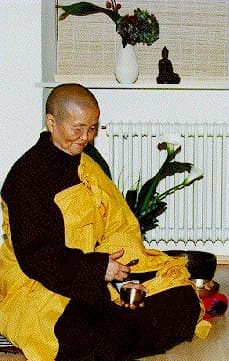
Chân Không, born Cao Ngọc Phương in 1938, is a Vietnamese Bhikkhunī and peace activist. She is recognized as one of the first members of the Order of Interbeing and co-founded the Plum Village Tradition with Thích Nhất Hạnh. Her work has focused on spiritual retreats, peace activism, and social service, particularly in Vietnam and internationally.
Ajahn Brahm
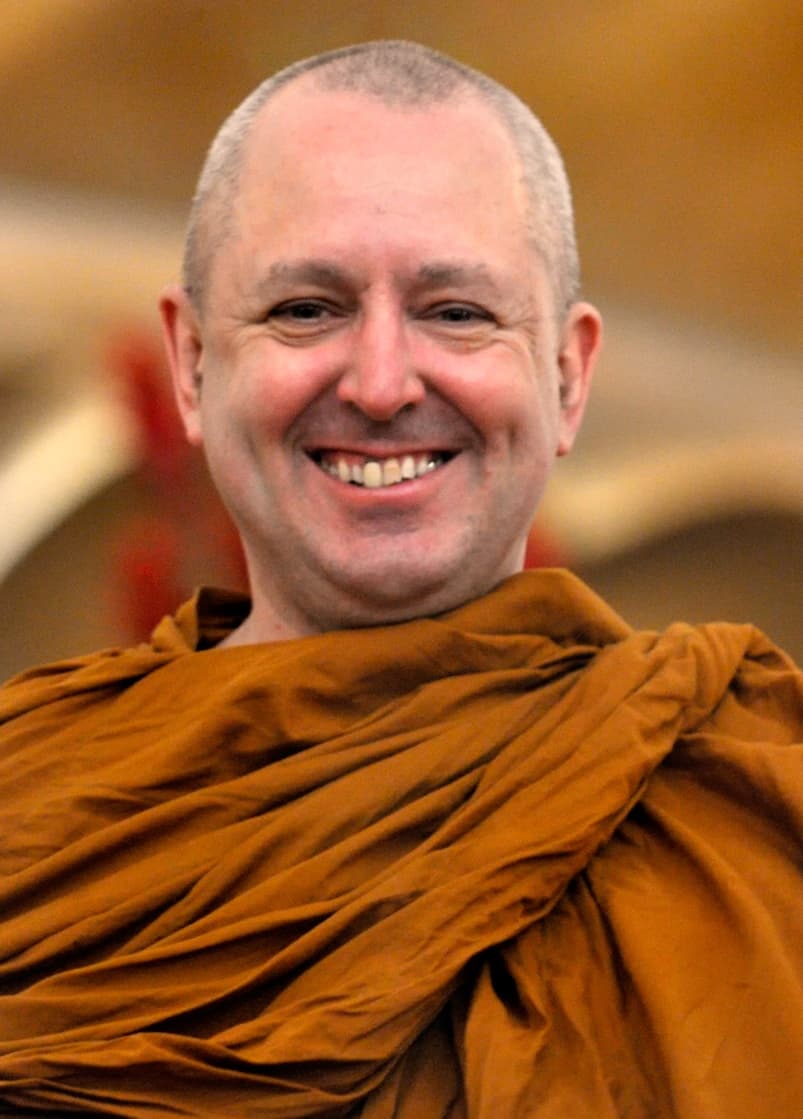
Ajahn Brahm, born Peter Betts, is a British-born Buddhist monk and a prominent figure in the Thai Forest Tradition of Theravada Buddhism. He is known for his teachings on meditation, mindfulness, and compassion, often delivered with humor. Ajahn Brahm is the abbot of Bodhinyana Monastery in Western Australia and has been influential in advocating for and facilitating the re-establishment of bhikkhuni (nun) ordinations.