
Ruth Denison
Ruth Denison was a pioneering Buddhist teacher in the United States, recognized as the first to lead all-women's retreats focused on Buddhist meditation and instruction. She taught Vipassanā meditation, a practice of observing bodily sensations, and founded the Dhamma Dena Desert Vipassana Center in California. Her work significantly contributed to the integration and accessibility of Buddhist teachings for Western practitioners, particularly women.
Key Facts
- ›First Buddhist teacher in the us to lead all-women's meditation retreats.
- ›Founder of Dhamma Dena Desert Vipassana Center in Joshua Tree, California.
- ›Taught Vipassanā meditation, a practice of observing bodily sensations, learned from Burmese master U Ba Khin.
- ›One of four Westerners authorized to teach by U Ba Khin.
- ›Taught at Insight Meditation Society and Spirit Rock Meditation Center.
- ›Immigrated to the us after spending her youth in Germany and experiencing imprisonment.
Important Relationships
- U Ba Khin
- Dhamma Dena Desert Vipassana Center, Joshua Tree, California
- Insight Meditation Society, Barre, Massachusetts
- Spirit Rock Meditation Center, Woodacre, California
- Germany
U Ba Khin
About Ruth Denison
Ruth Denison (1922–2015) was a significant figure in the introduction and expansion of Buddhist meditation practices in the United States, particularly known for her pioneering work with women's retreats.
Life and Teachings
Born in Germany, Denison experienced significant upheaval in her youth, including imprisonment by invading Russian troops. She later immigrated to the United States, becoming active in the counterculture movements of the 1960s and 1970s. Her spiritual path led her to Buddhist teachings, and she became one of only four Westerners to receive authorization to teach Vipassanā meditation directly from the renowned Burmese lay master, U Ba Khin. Vipassanā, as taught by U Ba Khin and subsequently by Denison, emphasizes the practice of closely observing bodily sensations to cultivate deep awareness.
Contributions to Buddhist Practice in the US
Denison is widely recognized as the first Buddhist teacher in the United States to lead an all-women's retreat, a groundbreaking initiative that provided a dedicated space for women to engage with Buddhist meditation and instruction. She was instrumental in establishing the Dhamma Dena Desert Vipassana Center, located in the Mojave Desert near Joshua Tree, California, which served as a focal point for her teachings. Additionally, Denison was a visiting teacher at other prominent Buddhist institutions, including the Insight Meditation Society in Barre, Massachusetts, and Spirit Rock Meditation Center in Woodacre, California, sharing her profound understanding of Vipassanā with a broad range of practitioners.
Source: Wikipedia ↗
Frequently Asked Questions
Who was Ruth Denison?
Ruth Denison was an influential Buddhist teacher in the United States, notable for being the first to organize and lead meditation retreats specifically for women. She was a key figure in bringing Vipassanā meditation practices to a wider Western audience.
What is Vipassanā meditation as taught by Ruth Denison?
Vipassanā meditation, as taught by Ruth Denison, involves the close observation of bodily sensations as a method for developing awareness. She learned this practice from Burmese master U Ba Khin.
Where did Ruth Denison teach?
Ruth Denison taught at various prominent meditation centers in the United States, including the Insight Meditation Society in Massachusetts and Spirit Rock Meditation Center in California. She also founded her own center, Dhamma Dena Desert Vipassana Center, in the Mojave Desert.
What was Ruth Denison's background?
Denison spent her early life in Germany, where she experienced imprisonment by invading Russian troops. She later immigrated to the United States and became involved in the alternative and counterculture movements of the 1960s and 1970s before dedicating herself to Buddhist teachings.
Related Buddhists

Anagarika Munindra
Anagarika Munindra was an Indian Vipassanā meditation teacher renowned for guiding many influential meditation instructors. He held a significant role as the superintendent of the Mahabodhi Temple at Bodh Gaya and was authorized to teach Vipassanā by Mahasi Sayadaw in Burma. Munindra's open-minded teaching style encouraged students to explore diverse traditions, and he spent his final years at the Vipassana Research Institute in India.
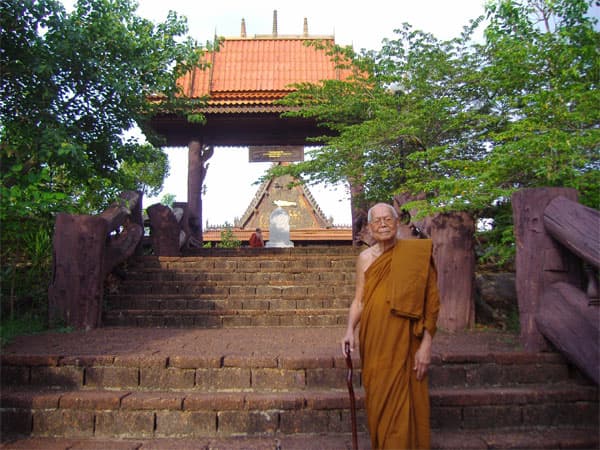
Achan Sobin S. Namto
Achan Sobin S. Namto is a Thai Buddhist monk renowned for his extensive teaching of Vipassanā meditation and Buddhist psychology across Southeast Asia and North America for over five decades. He played a significant role in establishing Buddhist temples and meditation centers in the United States, notably in Los Angeles and Denver.
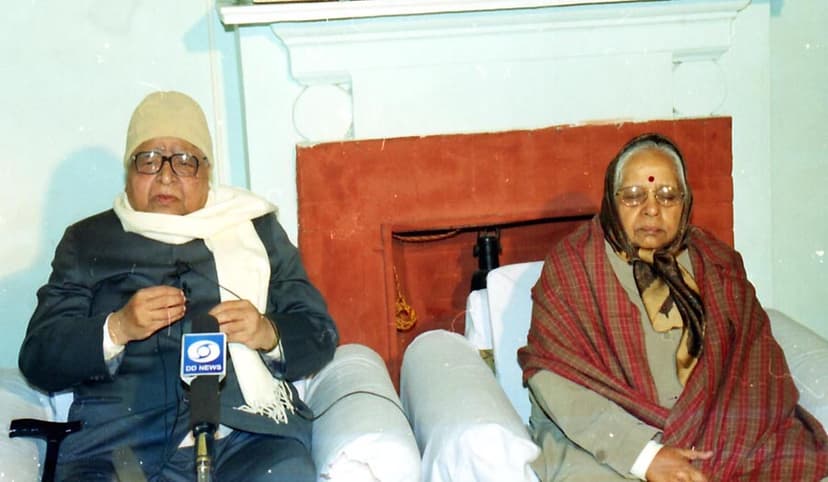
S. N. Goenka
S. N. Goenka was an influential Indian teacher of Vipassanā meditation, born in Burma to an Indian family. He learned Vipassanā from Sayagyi U Ba Khin and later moved to India to teach, establishing a global network of non-commercial meditation centers. His teachings emphasized the universal and scientific nature of Buddha's path to liberation, making Vipassanā accessible to people of all backgrounds.