
Robina Courtin
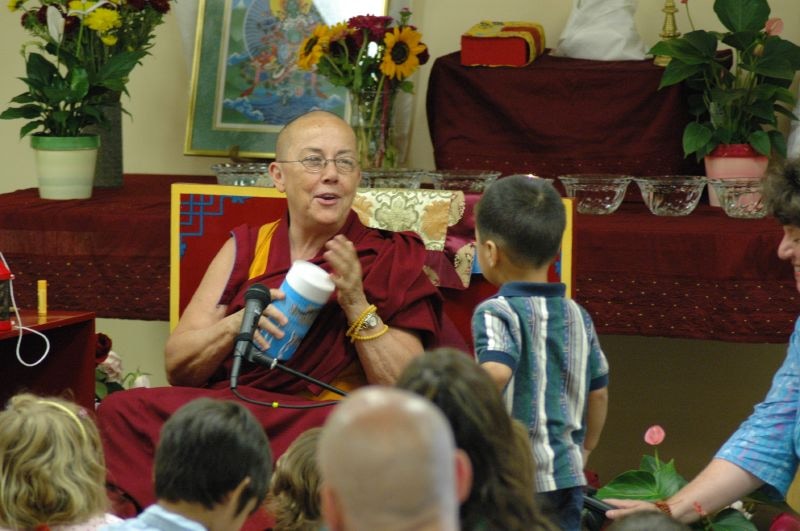
Robina Courtin is an Australian Buddhist nun within the Tibetan Buddhist Gelugpa tradition, known for her work with prisoners and her founding of the Liberation Prison Project. She has dedicated her life to teaching and advocating for those incarcerated, aiming to bring Buddhist teachings and compassion into correctional facilities. Her efforts have been recognized in documentaries and publications, highlighting her significant role in prison outreach within the Buddhist community.
Key Facts
- ›Ordained as a Buddhist nun in the Gelugpa tradition in 1978.
- ›Founded the Liberation Prison Project in 1996 to assist prisoners.
- ›Served as editorial director for Wisdom Publications and editor of Mandala magazine.
- ›Her life and work with death row inmates were documented in the film "Chasing Buddha" (2000).
- ›Led pilgrimages to Buddhist holy sites to raise funds for the Liberation Prison Project and the Tibetan cause.
- ›Has a background in classical singing and feminist activism.
Important Relationships
- Liberation Prison Project
- Wisdom Publications
- Mandala magazine
- Tushita Meditation Centre
- Co-Editor For "Dear Lama Zopa: Radical Solutions For Transforming Problems Into Happiness"
- Editor For "How To Meditate: A Practical Guide"
- Editor For "Becoming the Compassion Buddha: Tantric Mahamudra For Everyday Life"
- Co-Editor For "the Bliss of Inner Fire: Heart Practice of the Six Yogas of Naropa"
- Co-Editor For "Transforming Problems Into Happiness"
Melbourne, Australia, London, England, New York City, Usa, Queensland, Australia, Dharamsala, India, Kentucky State Penitentiary, Usa, India, Nepal, Tibet
Lama Thubten Yeshe, Lama Zopa Rinpoche
Nun Vows
Active, Buddhist Nun
About Robina Courtin
Venerable Robina Courtin
Robina Courtin is an Australian Buddhist nun belonging to the Tibetan Buddhist Gelugpa tradition, a lineage closely associated with spiritual teachers Lama Thubten Yeshe and Lama Zopa Rinpoche. Born in Melbourne in 1944, Courtin's early life included a Catholic upbringing and an interest in becoming a Carmelite nun. During her young adulthood in the late 1960s, she trained as a classical singer in London and later became involved in feminist activism and prisoners' rights work in the early 1970s.
She began her formal Buddhist studies in 1976 and was ordained as a nun in 1978 at Tushita Meditation Centre in Dharamsala. Prior to her full-time focus on teaching and prison outreach, Courtin served as the editorial director of Wisdom Publications until 1987 and as editor of Mandala magazine until 2000. She is widely recognized for founding the Liberation Prison Project in 1996, an organization she managed until 2009, which provides support and Buddhist teachings to incarcerated individuals.
Courtin's dedication to prisoners' welfare and her work have been the subject of media attention, including documentary films such as Amiel Courtin–Wilson's "Chasing Buddha" (2000), which chronicled her efforts with death row inmates. In 2001, she initiated the Chasing Buddha Pilgrimage to raise funds for the Liberation Prison Project and support for the Tibetan cause. Her life and teachings continue to inspire many within the Buddhist community and beyond.
Source: Wikipedia ↗
Frequently Asked Questions
Who is Robina Courtin?
Robina Courtin is an Australian Buddhist nun in the Tibetan Buddhist Gelugpa tradition. She is recognized for her work with prisoners and for founding the Liberation Prison Project.
What is the Liberation Prison Project?
The Liberation Prison Project is an organization founded by Robina Courtin in 1996. It aims to provide support and Buddhist teachings to prisoners, and she directed it until 2009.
What is Robina Courtin's background before becoming a nun?
Before her ordination, Robina Courtin was interested in becoming a nun in the Catholic tradition. In her young adulthood, she trained as a classical singer in London and later became a feminist activist, working for prisoners' rights.
Has Robina Courtin's work been recognized in media?
Yes, Robina Courtin's work has been featured in two documentary films: "On the Road Home" (1998) and "Chasing Buddha" (2000). The latter documented her life and her work with death row inmates.
What Buddhist teachings is Robina Courtin associated with?
Robina Courtin is associated with the Tibetan Buddhist Gelugpa tradition and lineage of Lama Thubten Yeshe and Lama Zopa Rinpoche. She took Buddhist courses taught by them and was ordained in Dharamsala.
Related Buddhists
Bhante Sujato
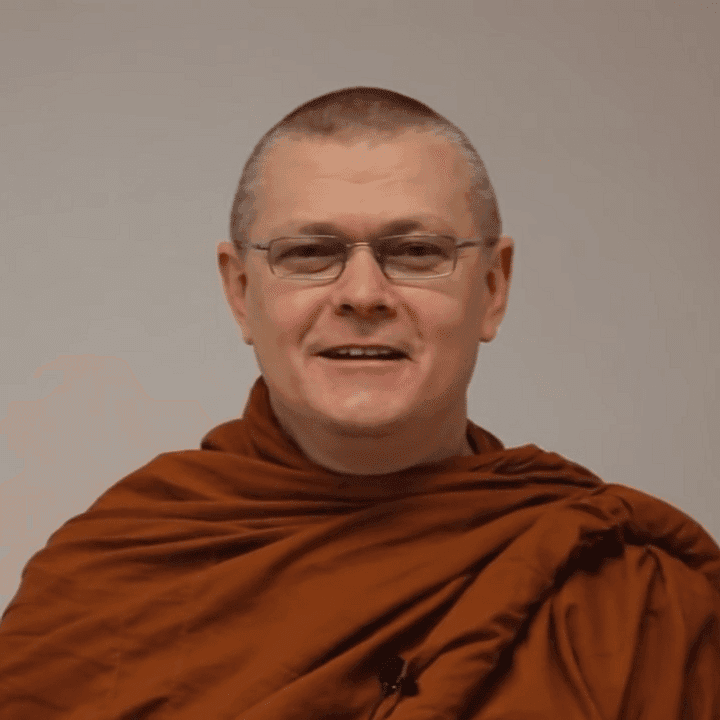
Bhante Sujato, born Anthony Best, is an Australian Buddhist monk and scholar associated with the Early Buddhist movement and Engaged Buddhism. Formerly a musician, he transitioned to monastic life, founding Santi Forest Monastery and co-founding the Suttacentral website. He is known for his extensive translations of early Buddhist texts and his advocacy for the re-establishment of the bhikkhuni (nun's) order.
Dagyab Kyabgoen Rinpoche
Dagyab Kyabgoen Rinpoche (born 1940) is a highly regarded Tibetan Buddhist lama and scholar, recognized as the reincarnation of the 9th Kyabgoen. He is a spiritual leader of the Dagyab region and holds the rare title of Hothogthu Nomonhan, signifying an outstanding incarnate lama. Having escaped Tibet in 1959 and later becoming a Tibetologist at Bonn University, he is now a prominent figure in bringing Tibetan Buddhism and culture to the West.

Ayya Sudhamma Bhikkhuni
Ayya Sudhamma Bhikkhuni is an American-born Buddhist nun and the abbess of Charlotte Buddhist Vihara. She is recognized as the first American woman to receive bhikkhuni ordination in Sri Lanka's Theravada tradition. Her significant contributions include co-founding the North American Bhikkhuni Association and being honored as an "Outstanding Woman in Buddhism" at the United Nations.